Consumer protection in the U.S. financial system isn’t built on a single law—it’s a layered framework designed to keep banks, lenders, and fintech companies accountable. In 2026, that framework is evolving fast, especially with digital banking, AI-based lending, and new payment models.
At its core, the system aims to ensure three things:
- Transparency (you know what you’re signing)
- Fairness (no discrimination or hidden tricks)
- Accountability (companies can be challenged and penalized)
Here’s how the system works and what rights you actually have.
1. The CFPB: The Main Federal Watchdog
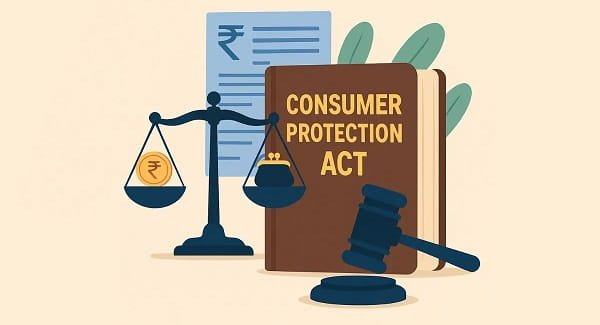
The central authority in consumer finance is the Consumer Financial Protection Bureau (CFPB).
What the CFPB Does
- Enforces consumer financial laws
- Investigates complaints
- Penalizes unfair practices
UDAAP Rule (Core Protection)
The CFPB can act against:
- Unfair practices
- Deceptive practices
- Abusive practices
2026 Focus: “Dark Patterns”
Companies are now being targeted for:
- Misleading app designs
- Hidden subscriptions
- Confusing cancellation flows
These digital tricks are now treated as violations.
Open Banking (Section 1033)
New rules are emerging that:
- Allow you to share your financial data securely
- Enable apps (budget tools, fintech platforms) to access your data
This increases:
- Competition
- Consumer control
2. Lending and Credit Protections
Several laws regulate how lenders deal with you.
Truth in Lending Act (TILA)
The Truth in Lending Act ensures:
- Clear disclosure of APR (interest rate)
- Total cost of borrowing
Right of Rescission
For certain home loans:
- You can cancel within 3 business days
Equal Credit Opportunity Act (ECOA)
The Equal Credit Opportunity Act makes it illegal to deny credit based on:
- Race
- Gender
- Religion
- Age
- Marital status
Fair Credit Reporting Act (FCRA)
The Fair Credit Reporting Act protects your credit data.
2026 Update: AI Lending
If an AI system denies your loan:
- You must receive an explanation
- Lenders must ensure no hidden bias
3. Banking and Digital Payment Protections
Modern banking is mostly digital, so protections have expanded.
Electronic Fund Transfer Act (EFTA)
The Electronic Fund Transfer Act protects:
- Debit card transactions
- ATM usage
- Online payments
Fraud Liability Limits
If your card is stolen:
- Report within 2 days → max liability $50
2026 Expansion
New proposals aim to include:
- Crypto wallets
- Stablecoin transfers
This brings digital assets closer to traditional banking protections.
“Junk Fee” Crackdown
In 2026:
- Surprise overdraft fees are restricted
- Credit card late fees are capped (often around $8 for large issuers)
4. New Financial Products: 2026 Legal Updates
The law is catching up with modern finance.
Buy Now, Pay Later (BNPL)
Now treated like credit:
- Must show clear costs
- Must allow disputes
Earned Wage Access (EWA)
Apps that give early salary access are now:
- Regulated like loans in many states
- Required to limit fees
AI in Lending
Companies must:
- Audit algorithms
- Prevent discrimination
Medical Debt Protections
- Many medical debts are no longer shown on credit reports
- Paid debts must be removed quickly
5. State-Level Protections (“Mini-CFPBs”)
States are becoming more aggressive in protecting consumers.
Stronger Protection States
- California
- New York
These states:
- Have their own financial regulators
- Often go beyond federal law
New 2026 Laws
Some states (like Florida and Texas) have passed:
- Anti-debanking laws
Meaning:
- Banks cannot deny services based on beliefs (religious or political)
6. How to Use Your Rights Effectively
Knowing the law is one thing—using it is another.
Keep Documentation
Always save:
- Loan agreements
- Bank statements
- Disclosure forms
These are your strongest evidence.
Act Within Time Limits
For most disputes:
- You have 30 to 60 days
Missing this window weakens your case.
File Complaints When Needed
If a company ignores you:
- File a complaint with the CFPB
What Happens Next
- The company must respond (often within 15 days)
- Many disputes are resolved quickly at this stage
7. Why These Laws Matter More in 2026
The financial system is changing:
- More apps
- More automation
- Less human interaction
This increases:
- Speed
- Convenience
But also:
- Risk of errors
- Risk of hidden manipulation
That’s why regulators are focusing on:
- Transparency in algorithms
- Digital fairness
- Consumer control
Final Thoughts
Consumer protection laws in the U.S. are stronger than many people realize. You’re not just a customer—you’re protected by a detailed legal system designed to keep financial institutions in check.
The key ideas are simple:
- You have the right to clear information
- You have the right to fair treatment
- You have the right to challenge mistakes
Most problems happen when people don’t act. But if you understand your rights and use them at the right time, you can avoid losses, fix errors, and even hold companies accountable.
In today’s digital financial world, knowledge isn’t optional—it’s your strongest protection.