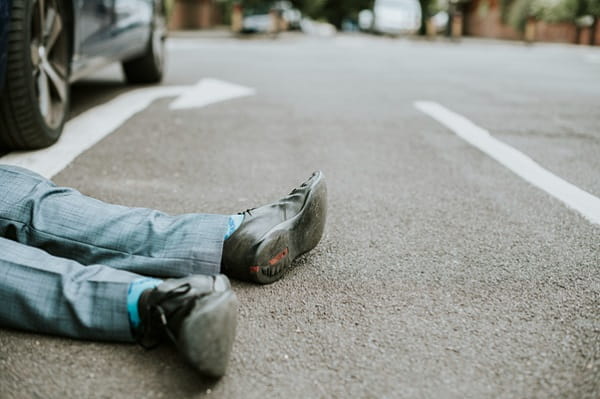
Every 11 seconds, an older adult is treated in an emergency room for a fall-related injury — and according to the CDC’s 2024 injury surveillance data, the vast majority of these incidents happen at home. As the population of Americans over 65 continues to grow, reaching nearly 55 million in 2024, the challenge of creating safer living environments has shifted from a niche concern to a widespread necessity affecting millions of families.
The stakes extend far beyond minor bumps and bruises. For seniors, accidents at home often trigger a cascade of consequences: emergency room visits, lengthy recovery periods, loss of independence, and sometimes permanent disability. What makes this particularly concerning is that many of the most common accident scenarios — falls in bathrooms, medication mix-ups, kitchen burns — are entirely preventable with the right modifications and awareness.
The good news is that reducing accident risks doesn’t require expensive renovations or dramatic lifestyle changes. Simple environmental adjustments, combined with smart behavioral strategies, can dramatically improve safety while preserving the comfort and independence that makes home feel like home. Understanding how accidents typically occur and which interventions make the biggest difference allows families to focus their efforts where they’ll have the most impact.
Why Reducing Accident Risks Matters for Seniors at Home
The physiological changes that come with aging create a perfect storm of accident vulnerability that most families don’t fully appreciate until after an incident occurs. Vision becomes less sharp, particularly in low-light conditions. Balance systems that once operated automatically now require conscious effort. Muscles lose strength, and bones become more fragile, meaning that a stumble that might result in a bruise for a younger person can cause a fracture for someone over 70.
These physical changes intersect with medication effects that many seniors experience daily. Blood pressure medications can cause dizziness, especially when standing up quickly. Pain medications affect coordination and reaction time. Even common over-the-counter sleep aids can leave someone groggy and unsteady the next morning. When you layer these effects onto an environment that wasn’t designed with age-related limitations in mind, the risk multiplies exponentially.
But here’s what makes home accidents particularly devastating for seniors: the recovery trajectory. A broken hip from a bathroom fall doesn’t just mean a few weeks of discomfort — it often marks the beginning of a significant decline in mobility and independence. Research shows that within a year of a serious fall, many seniors experience decreased confidence in their ability to move safely, leading to reduced activity levels, muscle weakness, and an increased risk of future accidents. This cycle explains why prevention is so much more effective than trying to manage consequences after the fact.
The financial implications compound the physical ones. Emergency room visits, hospital stays, rehabilitation services, and home modifications after an accident can cost tens of thousands of dollars. Medicare covers many medical expenses, but not the broader support services that families often need during recovery periods. More importantly, no amount of money can restore the sense of security that disappears after a serious home accident.
How Accidents Commonly Occur for Seniors at Home
Falls dominate the accident statistics for seniors, but understanding where and why they happen reveals patterns that point toward specific prevention strategies. The bathroom represents the highest-risk area in most homes — wet surfaces, hard edges, and frequent position changes create multiple hazard points within a small space. Picture someone getting out of a shower on a Tuesday morning: the combination of wet feet, a step over a bathtub edge, and reaching for a towel while off-balance creates the exact conditions where most bathroom falls occur.
Kitchen accidents follow a different pattern but prove equally dangerous. Burns from stovetops, cuts from knives, and falls from reaching for high shelves reflect the complex motor skills required for cooking tasks that many seniors have performed automatically for decades. The challenge arises when decreased sensation in hands makes it harder to gauge heat levels, when arthritis affects grip strength, or when balance issues make standing on step stools dangerous. A woman reaching for a mixing bowl on a high shelf might not realize her balance has deteriorated until she’s already overreached and started to fall.
Medication-related accidents represent a growing category that extends beyond the obvious risks of taking the wrong pills. Consider someone managing multiple prescriptions who takes their evening medications twice because they can’t remember whether they already took them. Or someone who experiences unexpected dizziness from a new medication and falls while walking to the kitchen. These incidents often happen during the first few weeks of medication changes, when bodies are adjusting to different chemical effects.
Stairs present ongoing hazards that many families underestimate until an accident occurs. Poor lighting, worn carpet edges, missing handrails, or simply carrying laundry that blocks the view of steps can transform a daily routine into a dangerous navigation challenge. The risk increases significantly during nighttime trips to bathrooms or kitchens when lighting is minimal and cognitive alertness is reduced.
Environmental Factors That Increase Risks
Lighting problems create accident conditions that most people don’t recognize until they’re struggling to navigate their own homes. Insufficient lighting in hallways, burnt-out bulbs over staircases, and lack of nightlights in bathrooms force seniors to move through semi-darkness during times when their vision is already compromised. The transition from bright rooms to darker spaces can temporarily blind someone whose eyes don’t adjust as quickly as they once did.
Clutter and furniture placement often reflect decades of accumulated belongings rather than current mobility needs. Extension cords running across walkways, throw rugs that slide on hardwood floors, and coffee tables positioned in natural walking paths create obstacles that require navigation skills many seniors no longer possess reliably. Even something as simple as magazines stacked on the floor beside a favorite chair can become a tripping hazard.
Bathroom and kitchen surfaces designed for appearance rather than safety contribute significantly to accident risks. Smooth tile floors become slippery when wet, bathtubs without grab bars require dangerous maneuvering, and high cabinets force people to overreach or use unstable step stools. These design elements worked fine for decades but become problematic as balance and strength change.
Behavioral and Health-Related Risk Factors
Overconfidence in familiar environments leads many seniors to attempt tasks they can no longer perform safely. Someone who’s been changing light bulbs for 40 years may not recognize that their balance on a stepladder has become precarious. A person who’s always been independent about home maintenance might not realize that their reflexes aren’t quick enough to catch themselves if something goes wrong.
Rushing through daily routines increases accident probability significantly. Whether it’s hurrying to answer the phone, moving quickly to avoid being late for an appointment, or simply trying to accomplish tasks efficiently, speed often overrides the careful attention that safe movement now requires. The pressure to maintain normal schedules can push people beyond their current physical capabilities.
Medication timing and interaction effects create windows of increased vulnerability that many people don’t anticipate. Blood pressure medications that work excellently for cardiac health can cause dangerous drops in blood pressure when someone stands up quickly. Pain medications that provide necessary relief can also reduce coordination and judgment in ways that affect safety throughout the house.
Effective Strategies to Reduce Accident Risks in Senior Homes
The most effective accident prevention approaches focus on creating environmental supports that work automatically, rather than requiring constant conscious attention to safety. This means designing systems that make safe choices the easiest choices, reducing the cognitive load required for daily navigation while preserving independence and comfort. When dealing with injuries or accidents that do occur, consulting with experienced legal professionals who understand the complexities of senior-related incidents can help families understand their options. Wagner Reese LLP works with families navigating the aftermath of serious accidents, particularly when determining liability and compensation becomes necessary.
Motion-sensor lighting systems represent one of the highest-impact modifications available. These systems eliminate the need to find light switches in dark hallways or bathrooms, automatically providing illumination when movement is detected. The technology has become remarkably affordable and can be installed in most homes without electrical work, making it accessible for families working with limited budgets.
Temperature-limiting devices on water heaters and faucets prevent scalding accidents that become more likely as sensation in hands decreases with age. These simple modifications can reduce water temperature to safe levels while maintaining comfort for daily use. Similarly, automatic shut-off devices for stoves can prevent kitchen fires caused by forgotten burners — a common concern for seniors experiencing memory changes.
Communication systems that connect seniors with help when needed provide both practical safety benefits and psychological reassurance. Modern medical alert systems work both inside and outside the home, can detect falls automatically, and connect users with emergency services or family members. The confidence that comes from knowing help is available often encourages seniors to maintain more active lifestyles, which actually reduces accident risks by preserving strength and mobility.
Modifying the Physical Space
Installing grab bars in strategic locations provides support exactly where it’s needed most. Beyond the obvious bathroom placements, grab bars beside beds, near outdoor steps, and along hallways can provide crucial stability points during daily activities. Professional installation ensures these supports can handle actual body weight during emergencies, not just light assistance during normal use.
Non-slip surfaces in high-risk areas dramatically reduce fall probability without requiring major renovations. Non-slip strips in bathtubs, textured mats in shower areas, and slip-resistant coatings on outdoor steps address the most common slipping scenarios. These modifications work especially well because they don’t change the appearance or functionality of spaces — they simply make existing surfaces safer.
Improved lighting strategies go beyond simply adding more fixtures. Task lighting for specific activities like reading or cooking, elimination of shadows in walking areas, and consistent light levels between rooms help aging eyes navigate confidently. Timer systems can ensure that key areas are always illuminated during high-traffic periods, removing the need to remember to turn lights on and off.
Encouraging Safe Behaviors and Habits
Balance and strength exercises designed specifically for seniors can significantly reduce fall risks while improving confidence in daily movement. Simple routines that can be performed at home — standing on one foot while holding a counter, walking heel-to-toe in a straight line, or practicing standing up from chairs without using hands — address the specific muscle groups and coordination skills needed for safe navigation.
Medication management systems prevent dangerous errors while simplifying daily routines. Weekly pill organizers with clear compartments for different times of day eliminate guesswork about whether medications have been taken. Smartphone apps can provide reminders and track adherence, while some systems can alert family members if medications aren’t taken on schedule.
Family involvement in safety planning creates accountability and support without undermining independence. Regular safety check-ins, shared responsibility for home maintenance tasks that require ladders or heavy lifting, and collaborative decision-making about modifications help seniors maintain control while benefiting from additional perspectives on safety concerns.
How Behavioral Safety and Family Culture Influence Senior Accident Risks
The psychology of aging creates complex dynamics around safety that go far beyond physical capabilities. Many seniors resist safety modifications because they symbolize loss of independence or admission of vulnerability. A person who has lived in the same home for 30 years may view grab bars or medical alert devices as unwelcome reminders of aging rather than practical tools for continued independence. This resistance often intensifies when family members suggest changes, creating tension between safety and autonomy.
Family communication patterns significantly influence how effectively safety measures are implemented and maintained. Families that approach safety discussions collaboratively, focusing on preserving independence while reducing risks, tend to achieve better outcomes than those that simply impose restrictions or modifications. The difference between “You need grab bars because you might fall” and “Let’s think about ways to help you stay comfortable and safe in your home” can determine whether modifications are embraced or resisted.
Cultural factors around help-seeking and independence vary dramatically among different communities and can either support or undermine safety efforts. Some families view asking for help as natural and appropriate, while others see it as failure or weakness. These attitudes affect everything from willingness to use medical alert systems to openness about near-miss incidents that could inform prevention strategies.
The timing of safety conversations matters enormously for their effectiveness. Discussions that happen after a health scare or minor accident often encounter less resistance than those initiated during periods of stable health. However, waiting for problems to emerge means missing opportunities for prevention and may mean implementing changes during crisis periods when decisions are harder to make thoughtfully.
Intergenerational relationships within families can either facilitate or complicate safety planning. Adult children who live nearby and maintain regular contact can provide ongoing support and monitoring that makes independent living safer. However, when these relationships are strained or when adult children live far away, seniors may be less likely to report safety concerns or accept assistance with modifications.
Financial conversations intersect with safety planning in ways that many families handle awkwardly. The cost of home modifications, medical alert systems, and other safety measures can create stress, especially when seniors live on fixed incomes. Families benefit from approaching these discussions openly, exploring insurance coverage options, and prioritizing modifications based on risk levels rather than trying to implement everything at once.
Emerging Research and Technology Improving Senior Home Safety
Smart home technology designed specifically for aging populations represents the fastest-growing area in residential safety innovation. Internet-connected sensors can monitor daily activity patterns and alert family members or caregivers when routines change significantly — potentially indicating health problems before they become emergencies. These systems learn normal patterns over time, reducing false alarms while providing valuable insights into how seniors actually move through their homes.
Wearable devices with fall detection capabilities have become sophisticated enough to distinguish between normal activities and actual emergencies. Modern systems can detect the rapid acceleration patterns that indicate falls while ignoring movements like sitting down quickly or exercising. When combined with GPS location services, these devices can provide emergency responders with exact location information, speeding response times significantly.
Artificial intelligence applications in medication management promise to reduce one of the most common categories of senior accidents. Smart pill dispensers can verify that correct medications are taken at appropriate times, while AI-powered apps can identify potential drug interactions or flag concerning patterns in medication adherence. These systems work particularly well for seniors managing multiple chronic conditions with complex medication regimens.
Research into home modification effectiveness continues to refine our understanding of which interventions provide the greatest safety benefits. Recent studies suggest that comprehensive approaches addressing multiple risk factors simultaneously prove more effective than single-intervention strategies. This research helps families and healthcare providers prioritize modification efforts and allocate resources where they’ll have the greatest impact on reducing accident risks.
The integration of telehealth services with home safety monitoring creates new possibilities for proactive care that can prevent accidents before they occur. Regular virtual check-ins with healthcare providers, combined with home-based monitoring data, allow for adjustments in medications, exercise routines, and safety strategies based on real-time information about how seniors are functioning in their daily environments.
The most promising developments in senior home safety technology focus on preserving dignity and independence while providing robust safety nets. Future systems will likely become even more invisible and automatic, providing protection without requiring seniors to change their daily routines or constantly think about safety considerations. For families beginning to navigate these questions, the key is starting conversations early, before crises occur, and focusing on solutions that enhance rather than restrict the quality of life at home.