According to the National Safety Council’s 2023 injury data, falls on ice and snow account for nearly 17% of all unintentional injuries during winter months — a statistic that becomes particularly sobering when you consider that many of these incidents happen within 25 feet of someone’s front door. As climate patterns create more unpredictable freeze-thaw cycles across the country, traditional winter safety assumptions no longer hold. What used to be predictable ice seasons now involve sudden temperature swings that create black ice, invisible patches, and deceptively treacherous conditions.
The financial and physical toll extends far beyond the immediate injury. Emergency room visits for ice-related falls cost an average of $3,000 per incident, and recovery times can stretch months for fractures and head injuries. For older adults, a single fall on ice can trigger a cascade of mobility issues that fundamentally alter independence and quality of life.
Yet most ice-related falls are preventable with the right combination of awareness, preparation, and strategic interventions. Understanding how ice creates unique hazards — and where those hazards typically appear — gives you the foundation to implement practical solutions that work in real-world conditions. The strategies that follow aren’t just winter survival tips; they’re evidence-based approaches that address the specific physics and environmental factors that make ice so dangerous.
How Ice Increases Slip and Fall Risks in Winter
Ice transforms ordinary walking surfaces into hazardous terrain through a combination of physical and environmental factors that don’t exist with other slippery conditions. Unlike wet pavement, which provides some surface texture for grip, ice creates a nearly frictionless interface between shoe and ground. The coefficient of friction — essentially the measure of grip available — drops from about 0.7 on dry concrete to as low as 0.1 on smooth ice.
The real danger lies in ice’s unpredictability. Black ice forms when temperatures hover around freezing, creating transparent layers that are virtually invisible until you’re already slipping. This typically happens on bridges, overpasses, and shaded areas where surfaces cool faster than surrounding pavement. Unlike snow, which provides visual warning of slippery conditions, black ice offers no advance notice.
Temperature fluctuations compound the problem by creating what experts call the “melt-refreeze cycle.” Daytime warming melts surface ice into water, which then refreezes as temperatures drop, often creating smoother, more dangerous surfaces than the original ice. This cycle explains why accidents spike during seemingly mild winter days when people assume conditions have improved.
Wind chill effects add another layer of complexity. While air temperature might be above freezing, wind can keep surface temperatures below the freezing point, maintaining icy conditions that catch pedestrians off guard. Research from the American Meteorological Society shows that surfaces can remain icy even when air temperatures reach 40°F if wind speeds exceed 15 mph.
The physics of falling on ice also differs significantly from other slip scenarios. On most surfaces, people can often recover their balance through quick adjustments. Ice provides so little friction that once momentum begins, stopping or correcting becomes nearly impossible. This explains why ice-related falls often result in more severe injuries — there’s simply no opportunity for the natural reflexes that prevent falls on other surfaces
Identifying Slip and Fall Hazards Around the Home and Public Areas
Recognizing ice hazards before you encounter them requires understanding the microclimates and surface conditions where ice typically forms. Around homes, the highest-risk areas aren’t always the most obvious ones. Entryways and porches top the list because they combine high foot traffic with architectural features that promote ice formation. North-facing entrances receive little direct sunlight, keeping ice intact longer. Steps and thresholds create ledges where water collects and freezes, often in spots that appear dry from above.
Driveways and walkways present deceptive hazards, particularly where they intersect with different materials. The transition from concrete to asphalt, or from pavement to metal surfaces like grates and manhole covers, creates temperature differential zones where ice forms first and melts last. Sloped surfaces compound this risk — even gentle grades that feel safe in summer become treacherous with minimal ice coverage.
Outdoor water sources create predictable hazard zones that many people overlook. Downspouts, gutters, and air conditioning units direct water flow in concentrated patterns. When temperatures drop, these areas develop ice patches that can extend several feet from the water source. Garden hoses left connected or outdoor faucets with slow drips create similar issues, often producing ice in walkways where people don’t expect it.
In public spaces, parking lots present unique challenges because vehicle traffic creates uneven wear patterns. Salt and de-icing chemicals work unevenly, leaving some areas clear while adjacent spots remain icy. The spaces between parking spots, where snow gets pushed during plowing, often harbor ice long after main thoroughfares clear. Loading zones and areas around dumpsters see frequent water from melting snow and ice from delivery trucks, creating persistent slick spots.
Building entrances in commercial areas concentrate risk through a combination of factors: high foot traffic that compresses snow into ice, architectural features like overhangs that block sunlight, and HVAC systems that create temperature variations. Revolving doors and automatic entrance systems often have different flooring materials that retain ice differently, creating sudden traction changes that catch people mid-stride.
Transit areas — bus stops, subway entrances, and pedestrian crossings — deserve special attention because they force people to wait or move through confined spaces where avoiding ice becomes impossible. These locations also tend to have poor drainage, allowing water to pool and refreeze repeatedly.
Effective Strategies to Prevent Slips on Ice at Home and Outdoor
Home Safety Tips to Avoid Ice-Related Falls
Proactive ice management starts with eliminating ice formation rather than reacting to existing hazards. Installing proper drainage around walkways prevents water accumulation that turns into ice. This means ensuring gutters direct water away from high-traffic areas and that walkway grading moves water toward appropriate drainage points rather than allowing pooling.
Strategic de-icing goes beyond simply spreading salt when ice appears. Rock salt works effectively down to about 20°F, but calcium chloride or magnesium chloride products work in much colder temperatures and cause less damage to concrete and vegetation. Apply de-icing products before ice forms when possible — this prevents ice bonding to surfaces and makes removal much easier.
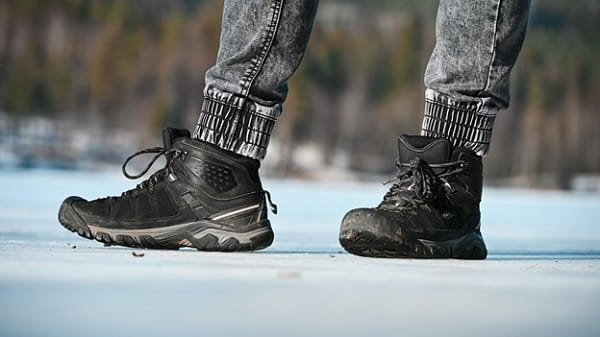
Footwear selection makes the difference between confident movement and tentative shuffling. Look for soles with deep, multi-directional tread patterns that can grip ice edges. Vibram Arctic Grip and similar technologies specifically address ice traction through sole compounds that maintain flexibility in cold temperatures. Avoid worn-smooth soles and fashion boots with minimal tread, regardless of how waterproof they might be.
Temporary traction aids like ice cleats or microspikes transform regular footwear into ice-capable gear. These devices work by providing metal contact points that bite into ice surfaces. They’re particularly valuable for people who only occasionally encounter icy conditions and don’t want to invest in specialized winter footwear
Home lighting systems should illuminate the texture and condition of walking surfaces, not just provide general visibility. LED motion-sensor lights positioned to cast light across walkways at low angles reveal ice patches that overhead lighting might miss. Consider solar-powered options for areas without electrical access.
Precautions for Public and Shared Spaces
Movement techniques on ice require abandoning normal walking patterns in favor of approaches that maximize stability. Take shorter steps to keep your center of gravity over your feet, and avoid picking up your feet high off the ground. Penguin walking — keeping feet slightly apart, taking small steps, and keeping some forward lean — provides better balance than trying to walk normally with careful steps
Handrail usage extends beyond stairways when ice is present. Use building walls, vehicle surfaces, and any available stable structures for additional contact points. Plan routes that maximize opportunities for support, even if they’re not the most direct path. This strategy becomes particularly important in parking areas where you can use vehicle surfaces for stability while moving between cars.
Situational awareness involves constantly scanning for visual cues that indicate ice presence. Look for glossy surfaces, especially in shaded areas or near building entrances where foot traffic has polished snow into ice. Watch for areas where other pedestrians change their walking patterns, move more slowly, or choose alternative routes — these behaviors often indicate hazards that aren’t immediately visible.
When navigation through public spaces becomes necessary during severe ice conditions, those dealing with the aftermath of winter accidents often benefit from consulting with a liability claims attorney who understands premises liability issues, particularly when property owners have failed to maintain reasonably safe conditions on sidewalks, parking lots, and building entrances.
Timing strategies can eliminate ice exposure entirely. Plan essential trips during late morning or early afternoon when sun has had opportunity to improve surface conditions. Avoid early morning and evening travel when temperatures drop and ice formation accelerates. Monitor weather patterns to identify days when melt-refreeze cycles will create particularly dangerous conditions.
Technological and Structural Approaches to Reduce Ice-Related Falls
Modern anti-slip coating technologies offer long-term solutions that work specifically with ice conditions. Epoxy-based coatings embedded with aluminum oxide or silicon carbide particles create permanent texture that maintains grip even when covered with thin ice layers. These systems work particularly well on concrete steps, ramps, and high-traffic walkways where repeated de-icing damages traditional surfaces.
Heated surface systems eliminate ice formation through radiant heating elements installed beneath walkways, driveways, and entryways. While installation costs are significant, these systems provide reliable ice prevention without ongoing chemical treatments or manual removal. Electric cable systems work well for smaller areas like steps and entryways, while hydronic systems that circulate heated water through tubing are more cost-effective for larger areas like driveways
Slip resistance testing using standardized protocols helps property owners understand which surfaces perform adequately in winter conditions and which need intervention. The National Floor Safety Institute’s testing measures coefficient of friction under various conditions, including wet and icy scenarios. This data guides decisions about surface treatments, replacement materials, and maintenance protocols.
Advanced warning systems use temperature sensors and weather data to provide real-time ice formation alerts. These systems can automatically activate heating elements, trigger application of liquid de-icing solutions, or simply alert property managers when conditions require attention. Some residential systems integrate with home automation platforms to provide smartphone notifications when ice conditions develop.
Architectural design modifications address ice prevention through structural approaches. Installing overhangs or canopies over high-traffic walkways prevents snow accumulation and ice formation. Improving building insulation reduces heat loss that contributes to melt-refreeze cycles around foundations and entryways. Strategic landscaping can redirect wind patterns that contribute to ice formation in vulnerable areas.
Smart de-icing systems automatically dispense appropriate chemicals based on temperature and moisture conditions. These systems use weather station data to determine optimal application timing and chemical selection, reducing both waste and environmental impact while maintaining more consistent surface conditions.
Special Considerations for Seniors and Vulnerable Groups in Ice Safety
Age-related physiological changes significantly increase ice-related fall risks through multiple mechanisms. Balance systems deteriorate with age, reducing the quick adjustments that help younger adults recover from slips. Muscle strength and reaction time decline, making it harder to catch oneself during a fall or break a fall safely. Vision changes affect depth perception and the ability to distinguish ice from wet pavement, particularly in low-light conditions.
Medication effects compound these physical changes. Blood pressure medications, antidepressants, and sleep aids can affect balance and cognitive processing. Anti-anxiety medications and pain relievers may reduce the awareness needed to recognize and respond to hazardous conditions. Anyone taking multiple medications should discuss fall risk with their healthcare provider, particularly during winter months.
Mobility aid considerations require specific ice-season adaptations. Standard walker tips and cane tips lose effectiveness on ice, but specialized winter tips with metal points or retractable cleats maintain grip. Four-point canes provide better stability than single-point versions on uneven or slippery surfaces. For wheelchair users, winter requires different route planning to avoid areas where ice accumulates and maintenance may be inconsistent.
Emergency preparedness becomes crucial for seniors living independently during winter months. This includes ensuring cell phones stay charged for emergency calls, keeping emergency contacts easily accessible, and having systems in place for regular check-ins with family or neighbors. Personal emergency response systems that work outside the home provide additional security for seniors who must navigate icy conditions.
Professional assessment services can evaluate individual fall risk and recommend specific interventions. Physical therapists specializing in fall prevention can assess gait, balance, and strength while recommending exercises that improve stability on challenging surfaces. Occupational therapists can evaluate home environments and suggest modifications that reduce ice-related hazards around the property.
The key insight for vulnerable populations is that ice prevention strategies need to be more comprehensive and anticipatory than for the general population. Weather monitoring, route planning, and backup systems become essential rather than optional. When venturing out becomes necessary during ice conditions, having support systems in place — whether family assistance, professional services, or community resources — can mean the difference between maintaining independence and facing a life-altering injury.
Winter ice safety ultimately comes down to understanding that your normal movement patterns, footwear choices, and route selections may not be adequate when conditions change. The most effective approach combines prevention, preparation, and adaptive strategies that acknowledge ice’s unique hazards while maintaining the mobility and independence that define quality of life.