A truck accident report can shape the early direction of an insurance claim, but it does not consistently tell the whole story. Police officers often arrive after the crash. They must work quickly, speak with people who may be injured or shaken, clear dangerous traffic conditions, and make judgment calls based on limited information. In a serious truck accident, those early assumptions can be partial or wrong.
When a crash report contains errors, the injured person should act quickly. A wrong report can affect fault determinations, insurance negotiations, medical claim handling, and the trucking company’s defense strategy. The report may list the wrong vehicle movement, miss a witness, misstate the point of impact, assign the wrong contributing factor, or accept the truck driver’s version before all evidence is reviewed.
The best truck accident lawyers do not accept an incorrect crash report as definitive. Truck accident cases rely on evidence, not assumptions. Photographs, video, truck data, witness statements, damage analysis, black box data, driver logs, maintenance records, and expert reviews reveal what happened.
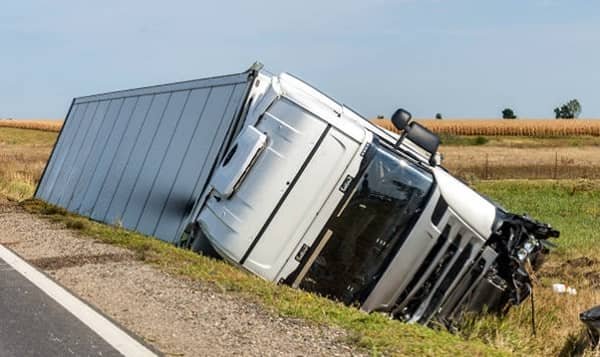
Why Truck Accident Reports Are Sometimes Wrong
A truck accident scene is chaotic: injuries, blocked lanes, fluids, debris, emergency vehicles, and differing accounts. Police rarely witness the collision. They reconstruct events using statements, physical evidence, and post-crash observations.
Errors are more likely when one party cannot provide a full statement due to pain, shock, confusion, ambulance transport, or hospitalization. A truck driver may be calm, trained on what to say after a crash, and backed by a company safety department or insurer. An injured motorist may be unable to explain the sequence of events before being taken from the scene.
Truck accident reports may also be wrong because the most important evidence is not visible at the roadside. A commercial truck’s electronic control module, dash camera, electronic logging device, dispatch records, GPS data, and maintenance history are usually under the trucking company’s control. Those records may reveal speeding, hard braking, fatigue, distraction, route changes, mechanical problems, or hours-of-service violations that are not obvious from a quick roadside inspection.
Common Mistakes Found in Truck Crash Reports
The most damaging mistakes often appear in fault, contributing factors, vehicle movement, and the officer’s account. A report may wrongly claim the injured driver changed lanes, followed too closely, failed to yield, or ignored signals. The results give insurers reasons to delay, reduce, or deny claims.
Other common errors include incorrect names, incorrect insurance information, incorrect vehicle descriptions, inaccurate license plate numbers, incorrect road conditions, missing witness information, incorrect diagram placement, incomplete injury descriptions, and incorrect location details. Some reports fail to note that a truck was operating as a commercial vehicle or do not identify the trucking company involved.
In truck crashes, missing details can be just as harmful as mistakes. A report might omit skid marks, debris, gouge marks, lane closures, camera locations, dash footage, cargo spills, brake issues, tire failures, or witness statements. Missing these makes the crash seem simpler than it was.
Factual Errors Versus Fault Conclusions
Not every mistake is handled the same way. Factual errors are usually the easiest to address. These include misspelled names, wrong contact information, wrong driver’s license numbers, incorrect insurance information, incorrect vehicle information, and other objective mistakes that can be proven with documents.
Fault conclusions are harder to change who caused the crash, vehicle actions, failure to yield, speed involvement, or lane changes. Officers rarely change these conclusions unless they are presented with strong evidence.
A wrong conclusion does not control the case. Insurers, courts, judges, juries, experts, and lawyers evaluate fault using all evidence. A crash report is important, but not a final legal decision.
What to Do First When the Truck Crash Report Is Wrong
First, get the full report and review every section. Check the narrative, diagram, contributing factors, unit numbers, statements, injury codes, road conditions, commercial details, witness names, insurance, and officer notes.
Next, list each mistake clearly. Separate facts from dispute. A wrong policy number is different than a disputed claim; your vehicle failed to yield. This matters because factual corrections go to the agency, while fault disputes need more proof.
Then gather evidence. Helpful proof includes photos, video, medical and ambulance records, repair estimates, witness statements, phone logs, damage photos, scene measurements, dash cam footage, business surveillance, camera details, and insurance communications.
After gathering your evidence, describe the specific steps you plan to take to address the errors. Decide whether you will contact the officer directly, consult with an attorney, or submit official papers. This planned approach makes sure you know exactly what to do next after reviewing the crash report.
Contact the Investigating Officer or Agency
For factual errors, the injured person or lawyer should contact the agency that made the report. Requests must be respectful, specific, and supported by proof. Vague complaints help little. Specific requests with evidence are more likely to be considered.
For example, a request may explain that the report lists the wrong vehicle, insurance carrier, driver name, or location. The request should attach the documents that prove the error. The agency may decide whether to amend the report, add a supplemental report, or leave the existing report unchanged.
For fault disputes, include strong evidence such as video, witnesses, damage analysis, photos, data, or reconstruction opinions. The officer might still decline changes, but the evidence can later challenge the trucking company or insurer.
Preserve Trucking Company Evidence Immediately
Truck crash cases differ from auto claims because the trucking company controls key evidence. Some evidence may be lost, overwritten, repaired, changed, or destroyed unless preserved quickly.
Key evidence includes the truck’s control module, data recorder, logging records, driver file, hours records, inspection and maintenance records, dispatch records, load and bill details, GPS, dash, and in-cab video, safety policies, drug tests, and driver-dispatcher communications.
Send a preservation letter quickly to the trucking company, carrier, insurer, broker, maintenance provider, or anyone with evidence. Demand that the evidence be preserved. This is vital if the report is wrong because missing evidence may prove it inaccurate.
Evidence That Can Prove the Crash Report Is Wrong
A wrong truck accident report can often be challenged with stronger evidence than the officer had at the scene. The most valuable evidence depends on how the crash happened.
Vehicle damage shows impact angle, lane position, and sequence. Scene photos reveal skid marks, debris, gouges, lights, sight lines, weather, construction, and markings. Witnesses clarify assumptions. Surveillance and dash camera video show truck movement, speed, braking, and traffic.
Truck data can be especially powerful. The truck’s electronic systems may show speed, braking, throttle use, cruise control status, engine activity, and sudden deceleration. Electronic logging device records can show whether a driver may have been fatigued or exceeded legal driving limits. Dispatch records can show delivery pressure, route changes, delays, and communications before the crash.
An expert may use physical evidence, vehicle damage, road layout, crash data, and testimony to explain the collision. This matters when the report blames the injured without considering truck speed, stopping, blind spots, lane shifts, or mechanical issues.
How Insurance Companies Use a Wrong Crash Report
Insurance adjusters may rely heavily on a crash report when it helps them deny or reduce a claim. If the report appears to blame the injured person, the trucking company’s insurer may argue that liability is disputed. The adjuster may delay payment, demand recorded statements, request broad medical authorizations, or make a low offer before all evidence is collected.
A wrong report can also be used to shift blame under comparative fault rules. The insurer may argue that the injured person shares responsibility for the crash, even when the full evidence shows the truck driver or trucking company caused it. This strategy can reduce the value of the claim unless the report is challenged with facts.
We handle this by building a liability file that goes beyond the police report. The insurer should be confronted with evidence, not opinions. A strong response may include photographs, witness statements, video, expert findings, truck data, inspection records, driver logs, and medical documentation connecting the injuries to the crash.
The Crash Report Is Not the Final Decision on Fault
A police report can be important, but it does not decide a civil injury claim on its own. The report is one piece of evidence. In many cases, the officer’s opinion was based on limited information available at the scene. The officer may not have reviewed truck data, company records, full video footage, expert analysis, or medical evidence.
Fault in a truck accident case should be determined by the total evidence. That may include negligence by the truck driver, negligence by the trucking company, poor training, unsafe hiring practices, hours-of-service violations, speeding, distracted driving, improper maintenance, brake failure, tire problems, overloaded or unsecured cargo, or pressure from dispatch.
When the report is wrong, the focus ought to shift from arguing about the report to proving the case. The question is not simply what the officer wrote. The real issue is what the evidence proves happened.
Truck Driver and Trucking Company Fault May Be Hidden
Many truck accidents involve more than driver error. A report may name only the truck driver and the other motorist, but the full case may involve the trucking company, trailer owner, broker, shipper, maintenance contractor, cargo loading company, or parts manufacturer.
A trucking company may be responsible for unsafe hiring, poor supervision, inadequate training, negligent retention, unrealistic delivery schedules, failure to maintain equipment, or failure to enforce safety rules. A maintenance company may be responsible for defective brakes, worn tires, steering problems, lighting failures, or inspection failures. A loading company may be responsible for shifting cargo, overweight loads, or unsecured freight.
A basic crash report often does not explore these issues. That is why accepting the report at face value can leave major evidence undiscovered.
Truck Accident Reports Can Miss Fatigue and Hours of Service Problems
Driver fatigue is a common issue in serious truck accident cases, but it may not appear in the crash report. Fatigue can be difficult to identify at the scene unless the driver admits being tired or the officer sees obvious signs. The stronger proof usually comes from records.
Hours-of-service records, electronic logging device data, fuel receipts, toll records, GPS data, bills of lading, delivery schedules, dispatch messages, and cell phone records can reveal whether a driver was on the road too long. These records can show inconsistencies between what the driver reported and what happened.
If the crash report blames the injured driver but the truck driver was speeding, fatigued, distracted, or operating under pressure, the report may be seriously incomplete.
Truck Accident Reports Can Miss Mechanical Problems
Mechanical failures are also easy to miss during a roadside investigation. A truck may appear normal after impact, or the visible damage may distract from underlying safety problems. Brake defects, tire failure, steering issues, lighting violations, and maintenance neglect may require expert inspection.
The truck should be preserved before repairs are made. Inspection of the tractor, trailer, brakes, tires, lights, underride guards, coupling systems, and cargo securement may reveal evidence that was omitted from the crash report. Maintenance records can also show whether the trucking company ignored warning signs or delayed needed repairs.
When mechanical problems contributed to the crash, the report may be wrong because it focused only on driver statements rather than the truck’s condition.
Truck Accident Reports Can Miss Blind Spot and Lane Change Evidence
Large trucks have significant blind spots. A report may state that a smaller vehicle was in the wrong place without fully analyzing whether the truck driver made an unsafe lane change, failed to check mirrors, drifted from the lane, or turned too wide.
Blind spot crashes often call for careful review of lane markings, impact points, vehicle damage, dash camera video, mirror position, turn signal use, and the truck’s path before impact. Witnesses may also describe whether the truck moved suddenly or forced another vehicle out of the lane.
A report that blames the injured driver for being beside the truck may be incomplete if it does not address whether the truck driver had a duty to keep a proper lookout before moving.
How to Respond When the Insurance Company Relies on the Wrong Report
When an adjuster points to a wrong crash report, the response must be direct, and evidence based. Do not rely on emotion or broad disagreement. Identify the specific incorrect statement, explain why it is wrong, and provide the evidence that proves the point.
For example, if the report says the injured driver changed lanes, video or witness testimony may show the truck entered the injured driver’s lane. If the report says the truck had the right of way, signal timing evidence or roadway photographs may show otherwise. If the report omits a witness, that witness’s statement can be used to correct the record.
The insurer should also be told that the investigation is continuing and that the crash report is not accepted as a final liability determination. This helps prevent the insurer from treating the report as undisputed.
Do Not Give a Recorded Statement Without Protection
After a truck accident, the trucking company’s insurer may ask for a recorded statement. This can be risky, especially when the crash report is wrong. Adjusters may employ questions to lock the injured person into incomplete details before the full evidence is available.
A person who was injured, medicated, in shock, or transported from the scene may not remember every detail clearly. That does not mean the person is dishonest. It means the statement should be handled carefully. A recorded statement given too early can be used later to argue that the injured person changed their story.
Before giving any recorded statement, the injured person should understand the report’s errors, the available evidence, their medical condition, and the legal risks.
Medical Records Matter When the Report Minimizes Injuries
Crash reports sometimes understate injuries. The report may list an injury as minor even when the person later receives emergency care, imaging, surgery, injections, or long-term treatment. Officers are not doctors, and they often record what is visible or reported at the scene.
Medical documentation can correct this problem. Emergency room records, ambulance records, diagnostic imaging, specialist notes, surgical records, therapy records, and work restrictions can show the actual injury severity. This is important because trucking insurers may use a low injury code in the report to argue that the crash was not serious.
The medical evidence should tell the full story of the injury, treatment, pain, limitations, lost income, and future care needs.
Time Matters When the Crash Report Is Wrong
Delay can harm a truck accident case. The video may be erased. Trucks may be repaired. Electronic data may be overwritten. Witnesses may become harder to locate. Road conditions may change. Debris and skid marks may disappear. The trucking company and its insurer may begin building a defense immediately.
When a crash report is wrong, quick action is even more important. The injured person should obtain the report, identify errors, preserve evidence, contact witnesses, document injuries, photograph vehicles, and send preservation notices as soon as possible.
The goal is to prevent the wrong report from becoming the accepted version of events.
Steps to Take After a Wrong Truck Accident Report
- Get the complete crash report from the proper agency or state reporting system.
- Review every section, including the narrative, diagram, contributing factors, vehicle information, insurance information, injury codes, and witness details.
- Make a written list of every factual error and every disputed conclusion.
- Gather documents that prove factual corrections, such as driver’s license information, insurance cards, registration records, photographs, and medical records.
- Preserve photographs, videos, dash camera footage, repair records, and communications with insurers.
- Identify witnesses and obtain statements before memories fade.
- Request correction of clear factual errors through the investigating law enforcement agency.
- Send preservation letters to the trucking company, insurer, and any other party with evidence.
- Investigate truck data, driver logs, maintenance records, dispatch records, and company safety practices.
- Do not accept a low settlement based on an incomplete or inaccurate crash report.
When an Amended Report Is Not Enough
Even when an officer agrees to correct a report, the amendment may not fully solve the problem. The trucking company’s insurer may still dispute fault. The amended report may correct only basic facts. The officer may decline to change a fault conclusion. The insurer may continue relying on the first version.
A strong truck accident claim should not depend only on whether the officer changes the report. The case should be supported by independent evidence. This includes witness testimony, expert analysis, truck data, medical evidence, company records, photographs, and video.
The stronger the evidence, the less power the wrong report has.
Building a Strong Claim Despite a Wrong Truck Accident Report
A serious truck accident case requires a complete investigation. We look at how the crash happened, why it happened, who was in control of the truck, whether safety rules were followed, and whether the trucking company prioritized earnings over safety.
The investigation may include inspection of the truck, download of electronic data, review of driver logs, analysis of maintenance records, review of hiring and training files, evaluation of dispatch communications, inspection of the crash scene, interviews with witnesses, and consultation with accident reconstruction experts.
This approach is especially important when the crash report is inaccurate. A wrong report can create an early obstacle, but it can be overcome with careful evidence development.