Getting injured at work or because of someone else’s negligence can turn your life upside down. Between medical bills, lost income, and uncertainty about recovery, knowing your legal options becomes essential. However, many people confuse workers’ compensation claims with personal injury lawsuits, even though they serve different purposes and follow separate legal processes. Understanding these differences can help you pursue the right type of claim and avoid costly mistakes. In cases involving severe workplace trauma, such as a brain injury workers comp settlement, knowing how workers’ compensation works is especially important because these claims often involve long-term medical care and financial support.
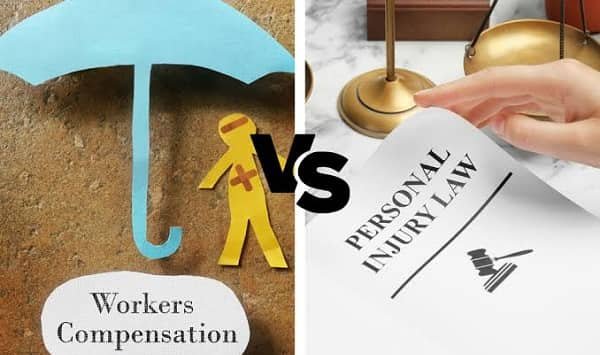
What Is Workers’ Compensation?
Workers’ compensation is a type of insurance that provides benefits to employees who suffer job-related injuries or illnesses. Nearly every employer is required to carry workers’ compensation coverage, ensuring that injured workers receive financial assistance regardless of who caused the accident.
Benefits typically include:
- Medical treatment
- Partial wage replacement
- Rehabilitation services
- Disability benefits
- Death benefits for surviving family members
One of the biggest advantages of workers’ compensation is that employees generally do not have to prove their employer was negligent. As long as the injury occurred during the course of employment, benefits may be available.
However, workers’ compensation also limits what an injured employee can recover. Unlike personal injury lawsuits, compensation for pain and suffering is usually not available.
What Is a Personal Injury Lawsuit?
A personal injury lawsuit allows an injured person to seek compensation when another party’s negligence caused the accident. These cases can arise from car accidents, slip-and-fall incidents, defective products, medical malpractice, or unsafe property conditions.
To succeed in a personal injury claim, the injured party must generally prove:
- The other party owed a duty of care.
- That duty was breached.
- The breach caused the injury.
- The injury resulted in financial or personal losses.
Because negligence must be established, personal injury lawsuits often take longer than workers’ compensation claims. However, they may provide broader financial recovery if successful.
Key Differences Between Workers’ Compensation and Personal Injury Lawsuits
Although both legal options provide financial relief after an injury, they differ in several important ways.
Fault Requirements
Workers’ compensation operates under a no-fault system. Employees can receive benefits even if they accidentally caused the workplace accident themselves.
Personal injury claims require proving another person’s negligence. Without evidence of fault, compensation may not be awarded.
Types of Compensation
Workers’ compensation benefits are generally limited to economic losses, including medical expenses and a portion of lost wages.
Personal injury lawsuits may include compensation for:
- Medical expenses
- Lost income
- Future earning capacity
- Pain and suffering
- Emotional distress
- Loss of enjoyment of life
Because of these additional damages, personal injury settlements are often larger than workers’ compensation awards.
Can You File Both?
In some situations, yes.
If someone other than your employer caused the accident, you may have both a workers’ compensation claim and a third-party personal injury lawsuit.
For example:
- A delivery driver injured by another motorist while working.
- A construction worker hurt because of defective equipment.
- An employee injured by an outside contractor on a job site.
In these situations, workers’ compensation can provide immediate benefits while the third-party lawsuit seeks additional damages.
Serious Workplace Injuries Require Careful Evaluation
Not every workplace injury has the same financial impact. Minor injuries often heal within weeks, while catastrophic injuries can permanently affect a person’s ability to work and maintain their quality of life.
Traumatic brain injuries are one example. Recovery may require surgery, ongoing rehabilitation, neurological treatment, and years of follow-up care. The value of a brain injury workers comp settlement often depends on several factors, including the severity of the injury, permanent disability ratings, future medical expenses, and the worker’s ability to return to employment.
Because these cases involve significant long-term costs, careful documentation and experienced legal guidance are often critical during settlement negotiations.
Filing Deadlines Matter
Whether you’re pursuing workers’ compensation or a personal injury lawsuit, deadlines are extremely important.
Workers’ compensation claims often require injured employees to report the accident to their employer within a short timeframe. Missing that deadline can jeopardize benefits.
Personal injury lawsuits are governed by statutes of limitations, which vary by state. Waiting too long to file may prevent you from recovering compensation altogether.
Seeking legal advice soon after an accident helps preserve evidence and ensures important deadlines are not overlooked.
Choosing the Right Legal Path
The correct legal option depends largely on how your injury occurred.
Workers’ compensation is generally appropriate when:
- The injury happened while performing job duties.
- Your employer carries workers’ compensation insurance.
- No third party caused the accident.
A personal injury lawsuit may be appropriate when:
- Another person or company acted negligently.
- The injury occurred outside of work.
- A third party contributed to a workplace accident.
Some situations involve both claims, making legal guidance especially valuable.
Final Thoughts
Workers’ compensation and personal injury lawsuits are designed to help injured individuals recover financially, but they operate under very different legal rules. Workers’ compensation offers faster access to benefits without proving fault, while personal injury lawsuits can provide broader compensation when negligence is involved.
Understanding these differences is particularly important for employees who suffer catastrophic workplace injuries. Cases involving traumatic brain injuries, spinal cord damage, or permanent disabilities often involve complex medical evidence and substantial future expenses. Whether you’re evaluating a brain injury workers comp settlement or considering a separate personal injury claim against a third party, understanding your legal rights is the first step toward making informed decisions about your recovery and financial future.