You spend weeks collecting documents. You check the form three times. You pay the fee, submit the application, and finally think, Okay, now I just have to wait.
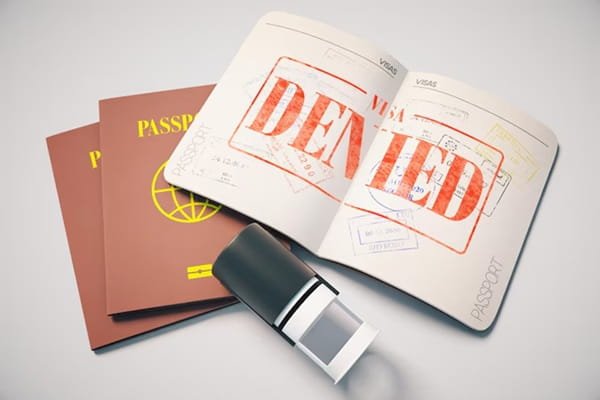
Then comes the email or letter you were hoping you wouldn’t receive: Your application has been denied.
The first questions usually come fast.
What went wrong? Was one document missing? Did I answer something incorrectly? Did they think I wasn’t eligible? Can I apply again?
An immigration denial can happen for many different reasons, and not all of them mean the applicant did something intentionally wrong. Sometimes the issue is eligibility. Sometimes the evidence isn’t strong enough. In other cases, a previous immigration problem can affect a new application.
The good news is that understanding these common problems can help you prepare more carefully from the beginning.
Incomplete Information Can Hurt an Otherwise Strong Application
Working with an immigration waivers consultant in Atlanta can be particularly helpful when an applicant has a complicated immigration history or needs to address a potential ground of inadmissibility.
One of the most basic problems is incomplete information.
An applicant may forget an old address, leave out part of their employment history, misunderstand a question, or submit a form without all the required supporting evidence. What seems like a small oversight can create questions about the application.
Before submitting anything, go through the entire application slowly.
Check names, dates, addresses, travel history, employment information, previous immigration applications, and supporting documents. If something doesn’t match your records, don’t simply guess.
Take the time to find the correct information.
The Department of State specifically explains that applicants can be found ineligible when they fail to establish that they meet the requirements of the visa category or applicable law.
Visitor Visa Problems Often Come Down to Eligibility and Intent
If you’re applying for a visitor visa, talking with a B-1 B-2 visa attorney in Atlanta can be useful when you’re unsure how to present your travel plans, financial circumstances, or previous immigration history.
B-1 visas generally cover temporary business activities, while B-2 visas are generally used for tourism and certain other temporary purposes.
One of the biggest issues for many nonimmigrant visa applicants is demonstrating that they qualify for temporary status.
Under Section 214(b) of the Immigration and Nationality Act, most nonimmigrant visa applicants are presumed to be intending immigrants until they establish that they qualify for the nonimmigrant classification they’re seeking.
That doesn’t mean you need to own a house, have a certain amount of money in your bank account, or have a specific job title.
Your overall circumstances matter.
For example, your employment, family connections, financial situation, travel plans, and reasons for returning home can all be relevant to how your temporary visit is evaluated.
Applying for the Wrong Visa or Immigration Benefit
Sometimes the problem starts before the application is even completed.
There are many immigration categories, and each one has its own requirements.
Someone traveling to the United States for tourism has a different purpose from someone attending school. A temporary business visitor isn’t applying under the same rules as someone seeking permanent residence.
Choosing a category because it sounds right isn’t enough.
You need to meet the requirements for that particular category.
This is one reason professional guidance can be valuable before filing. Reviewing your situation first may help you understand which immigration path actually fits your circumstances.
Your Forms and Documents Don’t Match
Imagine your new application says you lived at an address until 2023, but an older immigration form says you moved in 2022.
Maybe it was simply a mistake.
Still, someone reviewing the application may have questions.
The same thing can happen with employment dates, education history, previous travel, marital information, or immigration status.
Consistency matters.
That doesn’t mean every tiny difference automatically results in a denial. It means applicants should take discrepancies seriously and explain legitimate differences when appropriate.
If you’ve submitted immigration forms before, review those records when preparing a new application. If you discover something inaccurate in an old filing, don’t try to create a new story that makes everything match.
Get appropriate legal advice about how to address it.
Previous Immigration Violations Can Follow You
An old immigration problem doesn’t necessarily disappear just because some time has passed.
For example, an applicant may have previously:
- Overstayed a visa
- Worked without authorization
- Entered the United States without proper inspection
- Been placed in removal proceedings
- Received a previous visa refusal
- Submitted an inaccurate application
- Stayed beyond the period authorized by immigration authorities
The effect depends on the specific circumstances.
Some immigration violations can create serious consequences, including inadmissibility concerns. The Department of State explains that certain visa refusals involve specific grounds of ineligibility under U.S. immigration law.
So if you have an old immigration issue, don’t simply leave it off a new application because you think it is no longer relevant.
Find out first.
Fraud or Misrepresentation Can Create Serious Problems
This is one area where applicants should be especially careful.
Never provide false information simply because you think the truth will hurt your chances.
That includes hiding important facts, changing dates to make your history look cleaner, or giving an inaccurate answer during an interview.
The Department of State identifies fraud or willful misrepresentation of a material fact as a potential ground of visa ineligibility.
Even if you’re worried that a particular fact could cause a problem, being dishonest about it can create an even bigger one.
If you made a mistake on an earlier application, get professional advice before submitting another one.
Financial Evidence May Not Support the Application
Money can become an important part of certain immigration and visa applications.
For a temporary visitor, for example, an applicant may need to explain how the trip will be paid for and why the proposed travel makes sense financially.
But simply showing a bank statement doesn’t automatically answer every question.
Where did the money come from?
Is the income consistent with the applicant’s employment?
Who is paying for the trip?
Does the financial information make sense alongside the rest of the application?
These details can matter.
Applicants should make sure their financial documents accurately reflect their circumstances rather than simply submitting the largest-looking bank statement they can find.
A Previous Visa Refusal Doesn’t Always Mean the Door Is Closed
A refusal can feel like the end of the road.
It isn’t necessarily.
The reason for the refusal matters.
For example, the Department of State explains that applicants refused under Section 214(b) may reapply, particularly when there is additional relevant information or a significant change in circumstances. A new application also requires a new application fee.
The mistake is reapplying with exactly the same information and hoping for a different result.
First ask:
Why was the application refused?
Has anything genuinely changed?
Can the concern be addressed with better evidence?
Those questions should be answered before submitting another application.
Criminal History Can Affect Immigration Eligibility
A criminal record doesn’t automatically mean every immigration application will be denied.
However, certain convictions or conduct can create immigration problems.
The Department of State lists several criminal-related grounds of visa ineligibility, including certain crimes involving moral turpitude and controlled-substance violations.
If you’ve ever been arrested or convicted, don’t rely on memory when completing immigration paperwork.
Obtain the official records.
The exact charge, outcome, date, and sentence may matter when evaluating the immigration consequences.
This is another situation where professional legal advice can be much safer than trying to figure everything out from a general online search.
Missing Evidence Can Be Just as Important as Missing Information
Sometimes an applicant qualifies for an immigration benefit but doesn’t provide enough evidence to establish eligibility.
Think of it this way: saying something is true and proving it are two different things.
A marriage-based application may require evidence of a genuine relationship. A financial claim may require supporting records. A waiver may require evidence addressing the specific legal requirements.
The documents should tell a clear and consistent story.
Don’t send a huge pile of unrelated paperwork just because you think more documents automatically make an application stronger. The evidence should be relevant and organized.
Don’t Wait Until After a Denial to Ask Questions
One of the biggest advantages of getting immigration guidance early is the opportunity to identify potential problems before submitting an application.
Maybe your immigration history is complicated.
Maybe you’ve had a previous refusal.
Maybe you’re unsure about your financial evidence.
Maybe you have an old violation you’re worried about.
Or maybe you’re simply not sure which visa or immigration benefit fits your situation.
Those are good reasons to ask questions before filing.
An immigration application doesn’t need to be made unnecessarily complicated. But it does need to be accurate, complete, and supported by the right evidence.
If an application has already been denied, don’t immediately rush to submit another one. First, understand the reason for the denial, determine whether the issue can be addressed, and learn what options may be available.
The goal isn’t just to submit an application.
It’s to submit one that gives the decision-maker the information and evidence needed to properly evaluate your case.