Six Flags Magic Mountain’s X2 roller coaster has moved from being one of the park’s best-known thrill rides to the center of a growing legal dispute. In September 2026, three new lawsuits were announced alleging catastrophic brain injuries after rides on X2, while lawyers said they had been retained by more than 100 additional people reporting brain injuries connected with the coaster. The ride has remained closed since July while California safety officials investigate reported incidents.
The litigation is significant because it involves several different areas of California injury law at the same time: negligence by a theme-park operator, product liability against a ride designer or manufacturer, failure-to-warn claims, wrongful death, medical causation and the unusually high duty of care that California law can impose on operators of roller coasters. None of the new allegations has yet been proven in court, and Six Flags has disputed earlier claims involving X2.
Why X2 Is Facing Renewed Legal Scrutiny
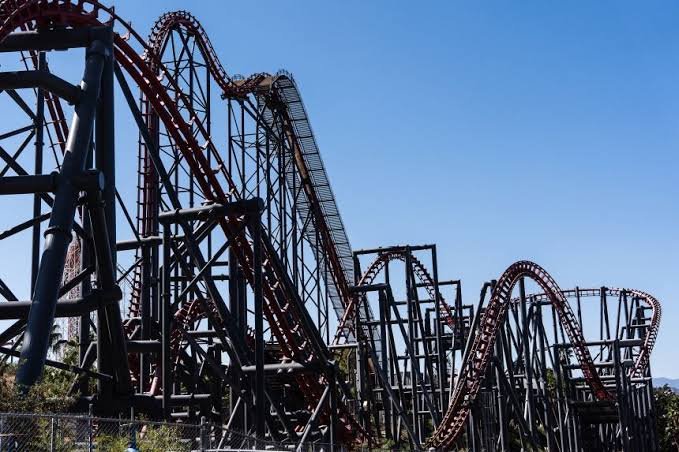
X2 originally opened as X in 2002 and later reopened as X2 after major modifications. The attraction is known for seats that rotate independently while the train moves through steep drops, inversions and rapid changes in direction. That design is central to the current lawsuits because plaintiffs are not merely alleging an ordinary slip, fall or loading-platform accident. They are alleging that forces generated during the ride caused or contributed to serious brain injuries.
The most recent wave of litigation followed two reported July 2026 incidents in which women who had ridden X2 required emergency treatment for severe brain injuries within days of one another. By September 22, attorneys announced three filed lawsuits and said more claims were expected. X2 remained closed while Cal/OSHA’s Amusement Ride and Tramway Unit continued its investigation.
The Christopher Hawley Wrongful-Death Case
One of the most serious earlier cases involved Christopher Hawley, a 22-year-old San Diego State University graduate who rode X2 in June 2022. His family’s lawsuit alleged that the ride was unusually rough and that he developed severe head trauma after the ride. He collapsed after exiting and died the following day. The complaint cited a coroner’s finding attributing his death to head trauma from a park ride accident.
The family sued Magic Mountain, Six Flags and S&S Worldwide, asserting claims that included wrongful death, negligence, design defect and failure to warn. The defendants disputed the allegations. In August 2026, shortly before the matter was expected to go to trial, the case was resolved through confidential settlements. Because the settlement amount and terms were not made public, it should not be treated as a court finding that any defendant was legally responsible.
The Katerelos Case Could Shape the Product-Liability Fight
A separate lawsuit by Sheila and Ari Katerelos concerns an alleged traumatic brain injury suffered after Sheila Katerelos rode X2 in February 2020. The case includes negligence and product-liability theories and focuses heavily on whether the design of the ride vehicles, including the restraint and headrest system, caused or contributed to her injuries.
The trial court initially granted summary judgment for S&S Worldwide and related entities. In February 2026, however, the California Court of Appeal reversed that ruling. The appellate court did not decide that X2 was defective or that S&S caused the injury. Instead, it found that there were factual questions serious enough for a jury to consider, including causation and whether the defendants had established that the ride was not defective as a matter of law. A trial is currently scheduled for August 16, 2027.
California Law Gives Roller-Coaster Riders Strong Protections
California has an important rule that can make amusement-ride cases different from ordinary premises-liability claims. In Gomez v. Superior Court, the California Supreme Court held that the operator of a roller coaster or similar amusement ride can qualify as a carrier of persons for reward. Under California Civil Code Section 2100, such carriers must use the utmost care and diligence for passenger safety.
That does not make a theme park automatically liable whenever someone is hurt. A plaintiff still must prove the elements of the particular claim, including breach, causation and damages. But the heightened duty matters because a park operator cannot simply rely on the argument that intense movement is expected on a thrill ride. The legal question becomes whether the ride was designed, inspected, maintained, operated and presented to riders with the level of care California law requires.
The Main Claims Likely to Drive the X2 Litigation
The lawsuits raise several legal theories, and each requires different proof:
- Negligence: Plaintiffs may argue that the park failed to operate, inspect, maintain or monitor the ride with reasonable or heightened care.
- Strict product liability: Claims against a designer or manufacturer can focus on whether the ride vehicle, restraint system, headrest or another component contained a design defect.
- Failure to warn: Plaintiffs may contend that riders were not adequately warned about a particular risk of head or brain injury.
- Wrongful death: When an alleged ride injury results in death, eligible family members may seek damages permitted under California wrongful-death law.
- Loss of consortium: A spouse may bring a separate claim for loss of companionship and related harm resulting from a serious injury.
Causation May Be the Hardest Issue
The central courtroom battle is likely to be medical and engineering causation. It is not enough for a plaintiff to show that symptoms appeared after a ride. The plaintiff generally must connect the injury to the ride through medical evidence, expert testimony, engineering analysis and the facts of the particular incident.
That is already a disputed issue in the X2 litigation. Defense experts in earlier proceedings have argued that the forces involved were insufficient to cause the claimed traumatic brain injuries, while plaintiffs have relied on testimony about violent movement, medical findings and competing expert opinions. The Katerelos appellate decision is important because it confirms that, at least in that case, the competing evidence created factual issues for trial rather than allowing the manufacturer to win as a matter of law.
Do Warning Signs Protect Six Flags From Liability?
Theme parks commonly post warnings about speed, sudden movement and health risks. Those warnings can be relevant, but they do not automatically eliminate liability. A warning is strongest when it clearly describes a known risk and when the injury results from the ordinary, properly functioning characteristics of the ride.
A warning is less likely to resolve a lawsuit if a plaintiff proves that the ride itself was defectively designed, improperly maintained, operated negligently or associated with a material risk that was known but not adequately disclosed. Whether Six Flags had sufficient notice of earlier incidents is therefore likely to be heavily contested in the newer cases.
What Happens Next?
The X2 litigation is still developing. The three newly announced lawsuits will move through pleadings, discovery and expert review unless they are dismissed or settled. Additional claims may be filed, but statements by attorneys that they represent other riders should not be confused with filed lawsuits or proven injuries.
The Cal/OSHA investigation is also important. A regulatory finding could provide evidence about the ride’s condition, maintenance or operation, although civil liability would still be decided under the applicable legal standards in each case. Separately, the Katerelos case is scheduled for a 2027 trial and may provide the first major jury examination of the current design-defect allegations against S&S Worldwide.
Conclusion
The Six Flags X2 lawsuits are no longer an isolated theme-park injury story. They now involve a wrongful-death settlement, an active appellate-backed product-liability case, new catastrophic-injury lawsuits and an ongoing state safety investigation. The biggest legal questions will be whether plaintiffs can prove that X2 caused their injuries, whether its design or operation created an unreasonable danger, what Six Flags and other defendants knew about prior incidents, and whether riders received adequate warnings.
Those questions will be decided through evidence, expert testimony and the specific facts of each claim. Until then, allegations of injury should be reported as allegations, not as established findings of fault.