For years, civil denaturalization was one of the federal government’s less frequently used immigration-enforcement tools. That changed sharply in 2026. Federal court data compiled by Syracuse University’s Transactional Records Access Clearinghouse (TRAC) identified at least 105 civil denaturalization lawsuits during the first seven months of the year, including 50 in July alone. TRAC said it had identified about 125 such suits nationwide during the entire 2008-2025 period.
The Justice Department has also described the current effort as the largest denaturalization campaign in its history. In an August 3 announcement, DOJ said it had filed 123 civil denaturalization complaints since January 20, 2025. The figures use different time periods and methods, but both show the same trend: revocation of naturalized citizenship has become a much more active area of federal litigation in 2026.
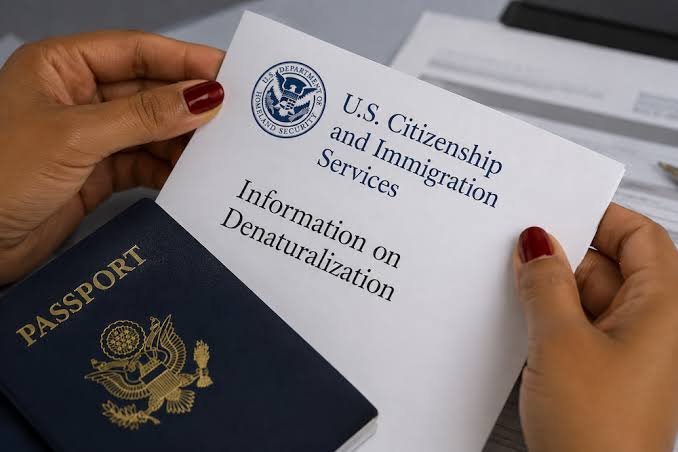
What Federal Denaturalization Means
Denaturalization is the legal process through which the federal government asks a court to revoke citizenship obtained through naturalization. It is different from questions involving citizenship acquired at birth.
The main civil statute is 8 U.S.C. § 1451. It allows the government to seek revocation when naturalization was illegally procured or obtained through concealment of a material fact or willful misrepresentation. In a civil case, citizenship is not canceled simply because the government files a complaint. A federal court must decide whether the statutory grounds have been proved.
That distinction matters. The allegations in a complaint are not a final finding, and a defendant can challenge the government’s facts and legal theory.
Why Lawsuits Increased So Quickly
The 2026 surge followed a major policy change inside the Justice Department. In June 2025, the Civil Division issued an enforcement memorandum directing lawyers to prioritize and “maximally pursue” denaturalization proceedings that were legally permitted and supported by evidence.
The memorandum listed broad categories including national-security cases, terrorism and espionage, war crimes, gang or cartel activity, undisclosed felonies, human trafficking, sex offenses, violent crime, financial fraud and material misrepresentations in the naturalization process.
The department’s current Justice Manual also treats denaturalization as an affirmative civil-enforcement area. It says decisions should be made case by case and identifies national security, human-rights violations and very serious undisclosed felonies among its priorities.
The change became visible in the court numbers. TRAC counted 15 new suits in May 2026 and 18 more by June 12. July then produced at least 50 filings, an all-time monthly high in TRAC’s data.
What Kinds of Cases Are Being Filed?
The 2026 cases do not involve one single pattern. DOJ announcements describe suits based on alleged false identities, concealed immigration histories, undisclosed criminal conduct and other facts that the government says affected a person’s eligibility to naturalize.
Recent cases have involved allegations connected to sexual offenses, violent crimes, financial fraud, drug trafficking, immigration fraud, terrorism-related conduct and espionage. In May, for example, DOJ sued to revoke the citizenship of former U.S. diplomat Victor Manuel Rocha, who pleaded guilty in 2024 to charges related to acting as an illegal agent of Cuba.
Other cases have focused on people who allegedly used different identities or failed to disclose conduct that occurred before naturalization. Whether those allegations are sufficient is ultimately a question for the court.
The Government Faces a Demanding Burden of Proof
Although denaturalization is a civil proceeding, the government does not prevail under the ordinary “more likely than not” standard used in many civil cases. Supreme Court precedent requires the government to establish the basis for revocation with clear, unequivocal and convincing evidence.
Courts have long treated loss of citizenship as an unusually serious civil consequence. In cases based on concealment or misrepresentation, the hidden or false information must also satisfy legal requirements relating to materiality and procurement.
That means an inaccurate answer or paperwork mistake does not automatically lead to denaturalization. The court must determine whether the statutory conditions for revocation are actually met.
Civil Denaturalization and Criminal Fraud Are Different
Headlines can blur two separate legal processes. The government can file a civil denaturalization action under 8 U.S.C. § 1451, while federal prosecutors can separately bring criminal naturalization-fraud charges under statutes such as 18 U.S.C. § 1425 when the evidence supports a criminal case.
A criminal prosecution requires proof beyond a reasonable doubt and may result in imprisonment. A civil denaturalization case focuses on whether the naturalization order should be revoked. In some criminal cases, a conviction for knowingly obtaining naturalization unlawfully can also trigger loss of citizenship.
Many of the lawsuits driving the 2026 increase are civil cases, so a filing should not be described as a criminal conviction.
What Happens If the Government Wins?
If a federal court orders denaturalization, the naturalization order and certificate can be revoked. The person may also be required to surrender a U.S. passport and other evidence of citizenship. Under federal law, revocation can operate as of the original date of naturalization.
Denaturalization does not mean that every person is automatically deported the same day. Immigration consequences depend on the person’s history, previous status and the legal grounds involved. Once citizenship is revoked, separate removal proceedings may follow if federal immigration law provides a basis for removal.
For that reason, these cases can affect far more than a citizenship certificate. They may influence immigration status, travel rights and later enforcement proceedings.
Transparency Has Become Part of the Debate
The surge has also created questions about public access to the cases. TRAC reported at least 50 July filings, while DOJ publicly highlighted only part of that group in its press releases. TRAC has also noted that federal rules restrict remote public access to many documents filed in civil immigration cases.
That does not show that unpublicized cases are legally defective. It does make independent review more difficult because the underlying complaint is often the document that explains the government’s factual allegations and legal theory.
As the number of cases grows, access to court records will become more important for lawyers, researchers and journalists trying to measure how consistently denaturalization policy is being applied.
What Naturalized Citizens Should Know
The 2026 spike does not mean naturalized Americans can lose citizenship merely because enforcement has become more aggressive. The government still needs a statutory basis, evidence and a federal court judgment.
The greatest legal risk generally arises when the government alleges that a person was not legally eligible for naturalization or intentionally concealed a material fact. Old immigration files, prior identities, criminal conduct before naturalization, sworn application answers and interview testimony can therefore become central evidence.
Anyone served with a denaturalization complaint should treat it as serious federal litigation and seek qualified immigration and federal-court counsel quickly. Response deadlines and early admissions can have consequences beyond the immediate lawsuit.
What Comes Next in 2026
The available data already establish that civil denaturalization filings have risen sharply. The next issue is what happens to the new cases: how many result in final judgments, how many are contested successfully and whether appellate courts issue new decisions defining the limits of the government’s expanded use of the statute.
For now, 2026 marks a clear change in scale. Denaturalization remains a court-controlled process with a high burden of proof, but the federal government is using it far more frequently than it did in recent years.