Uranium sounds like a material that only governments, nuclear plants, or research laboratories could legally possess. U.S. law is more nuanced. Some uranium-containing objects and unprocessed mineral specimens can be lawfully owned without an individual NRC license, while other forms are tightly controlled.
The answer depends on the type of uranium, its form, and how it will be used. Natural and depleted uranium are generally regulated as “source material.” Enriched uranium is classified as “special nuclear material” and falls under a much stricter licensing framework.
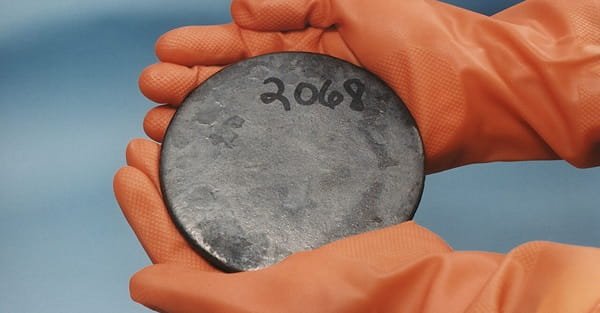
How Does Federal Law Classify Uranium?
The U.S. Nuclear Regulatory Commission defines natural and depleted uranium, along with certain uranium-bearing ores, as source material regulated under the Atomic Energy Act and 10 CFR Part 40.
Enriched uranium is different. The NRC classifies it as special nuclear material. Possession and use are regulated under 10 CFR Part 70 and generally require authorization.
Can You Legally Own a Uranium Ore Sample?
In some circumstances, yes. Federal rules exempt unrefined and unprocessed ore containing source material, allowing certain uranium-bearing mineral specimens to be possessed without an NRC materials license.
The exemption does not authorize refining or processing the ore to extract or concentrate uranium. Land-management, mining, state radiation-control, and property laws may also affect how a specimen is obtained.
What About Uranium Glass and Antique Collectibles?
Some older consumer products, including certain decorative glass, contain small amounts of uranium. Federal regulations exempt specified products and low-concentration source material when regulatory conditions are met.
A qualifying antique uranium-glass item is therefore not treated the same way as refined uranium material. The presence of uranium alone does not automatically trigger an NRC license.
When Is an NRC License Required?
Possessing or using regulated source material outside an exemption or general license can require a specific NRC materials license for authorized industrial, research, educational, or other uses.
Federal rules also provide limited general-license pathways for certain organizations using natural or depleted uranium. These are conditional authorizations, not blanket permission for unrestricted personal acquisition.
Does State Law Matter?
Yes. Radioactive-material regulation is shared between the NRC and state governments. The NRC currently recognizes 40 Agreement States that license and inspect certain nuclear materials within their borders.
In an Agreement State, applicants generally work with the state radiation-control agency rather than the NRC. State procedures can differ while remaining compatible with the federal system.
Can You Own Depleted Uranium?
Depleted uranium is still regulated source material. Certain finished products may qualify for exemptions, while other possession or use can require licensing.
Calling material “depleted” does not make it unregulated; its form and intended activity still matter.
Can an Individual Own Enriched Uranium?
Enriched uranium is subject to a substantially stricter framework. Federal regulations generally prohibit acquiring, possessing, using, or transferring special nuclear material without appropriate authorization.
Federal law also distinguishes between holding title to nuclear material and physically possessing it. Title ownership does not automatically authorize receipt, possession, use, or transfer.
What Happens If Uranium Is Possessed Illegally?
Violating radioactive-material rules can lead to seizure or recovery of material, civil penalties, licensing sanctions, and criminal consequences in serious cases. Regulated material is also subject to accountability, transfer, and disposal requirements.
The Bottom Line
It can be legal to own certain uranium-containing items in the United States, but uranium is not an unrestricted commodity. Unprocessed ore specimens and qualifying consumer products may be exempt, while other natural or depleted uranium can require licensing.
Enriched uranium is subject to much tighter controls. Anyone considering uranium beyond an ordinary exempt collectible should first identify the material’s regulatory category and check the NRC or the appropriate Agreement State agency.