A few tobacco plants in a backyard garden may look like an agricultural hobby rather than a regulated activity, and under federal law that distinction matters. The United States does not generally require an individual to obtain a federal tobacco permit simply to plant and grow tobacco for personal use. The Alcohol and Tobacco Tax and Trade Bureau, or TTB, expressly states that it does not license tobacco growing.
That does not mean every activity involving homegrown tobacco is unrestricted. Growing the plant, curing the leaves, processing tobacco for yourself, manufacturing products for sale, and running a tobacco business are legally different activities. State and local rules can also affect cultivation through zoning, agricultural regulations, nuisance laws, and pesticide requirements.
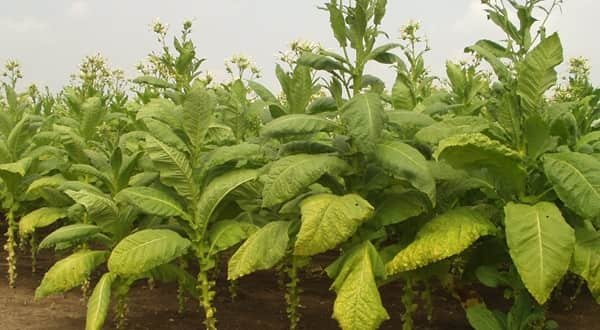
Do You Need a Federal Permit to Grow Tobacco?
No federal TTB permit is required merely to grow tobacco. TTB specifically says it does not license or require a permit for tobacco cultivation. The agency also explains that it does not regulate the sale of tobacco that has not yet become a tobacco product, although other federal or state agricultural rules may apply.
Can You Cure and Process Your Own Tobacco?
Federal tax regulations also provide an important personal-use exception. Under 27 CFR 40.491, a person who processes tobacco solely for personal use or consumption, and not for sale or transfer to another person, is not required to qualify as a manufacturer of processed tobacco.
A similar rule appears in 27 CFR 40.61 for finished tobacco products. A person who produces tobacco products solely for that person’s own consumption or use is not treated as being in the business of manufacturing tobacco products for TTB permit purposes.
The distinction becomes important once the activity moves beyond personal use. Giving products away, transferring them to others, or producing them commercially can bring different rules into play.
Can You Sell Homegrown Tobacco?
Selling homegrown tobacco is much more regulated than growing it for yourself. A person who manufactures cigarettes, cigars, pipe tobacco, roll-your-own tobacco, or smokeless tobacco for commercial sale can become subject to TTB permit, recordkeeping, and federal excise-tax requirements.
FDA rules can also apply to the commercial manufacture and marketing of tobacco products. FDA considers a person who manufactures, processes, labels, repacks, or relabels a tobacco product to be a tobacco product manufacturer. Commercial products may require establishment registration, product listing, labeling compliance, and lawful marketing authorization.
This means a backyard grower should not assume that permission to grow tobacco automatically includes permission to turn the crop into cigarettes or other products and sell them.
Does the Federal Age-21 Tobacco Law Apply?
The federal Tobacco 21 law focuses on sales. Retailers may not sell tobacco products to anyone younger than 21, and current FDA rules require photo identification checks for customers under 30 who attempt to buy tobacco products.
The federal age rule is therefore not a general federal ban on planting a tobacco plant. However, state and local governments can adopt additional restrictions involving possession, use, sale, or distribution of tobacco products.
Can State or Local Law Restrict Home Tobacco Growing?
Yes. Federal permission is only part of the answer. State agriculture departments may regulate plant diseases, commercial crop production, pesticides, or movement of plant material. Cities and counties can use zoning or nuisance rules to control what may be grown or processed on residential property, particularly when an activity becomes commercial.
Homeowners associations and rental agreements can also restrict gardening or business activity even when government law would otherwise allow it. Anyone planning more than a few personal-use plants should check local land-use and agricultural rules before expanding the crop.
Can You Ship or Give Away Homegrown Tobacco?
Personal-use exemptions should not be read as a blanket right to distribute tobacco. TTB regulations distinguish products made solely for the maker’s own consumption from products sold or transferred to another person. Mailing, shipping, selling, or regularly giving away processed tobacco can raise tax, manufacturing, age-verification, carrier, and state-law issues.
The Bottom Line
Yes, growing your own tobacco is generally legal under U.S. federal law, and TTB does not require a permit simply to cultivate tobacco. Federal regulations also contain personal-use exceptions for people who process or make tobacco products solely for their own consumption.
The legal picture changes once the tobacco is sold, transferred, commercially processed, or marketed as a finished product. At that point, TTB tax and permit rules, FDA tobacco-product requirements, federal age restrictions, and state or local laws may apply. For a small personal garden, the main additional check is whether local zoning, agricultural, or property rules impose any restrictions.