After a plane crash, train derailment or serious transportation accident, early headlines often explain what happened before investigators know why. The National Transportation Safety Board (NTSB) provides the official U.S. federal safety investigation record for many such events. Its public databases can help people check whether a case is open, read preliminary findings, examine supporting documents and locate a final probable-cause determination. The key is to use the right source and recognize that a preliminary report is not a final finding of fault.
What the NTSB investigates
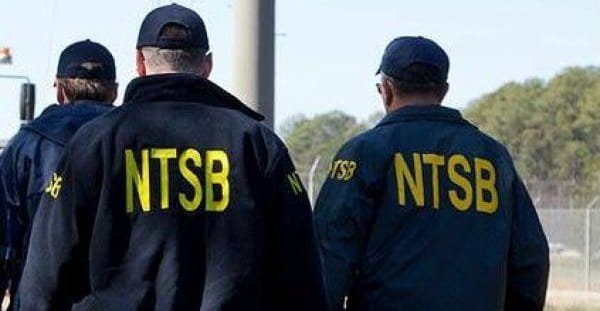
The NTSB is an independent federal agency that investigates U.S. civil aviation accidents and selected serious events involving railroads, highways, pipelines, marine transportation and other modes. Its work focuses on preventing future accidents by establishing probable causes and recommending safety measures. The agency is not a criminal prosecutor and does not decide personal injury lawsuits. If investigators suspect a criminal act, law enforcement may conduct its own investigation. The Coast Guard commonly leads certain marine inquiries, with the NTSB participating on the safety side.
Start with the CAROL database
The NTSB’s Case Analysis and Reporting Online system, known as CAROL, is the principal search tool for investigation and safety-recommendation information. Visit my.ntsb.gov or open CAROL through the NTSB website. The basic search accepts common investigation fields, while the aviation search offers additional flight-related filters. The custom search builder supports more detailed combinations. For aviation, CAROL includes investigation records dating to 1962; for several other transportation modes, it provides records from 2010 onward. A missing search result does not necessarily mean no accident occurred or no inquiry is underway.
Use case numbers and accurate filters
The fastest search often begins with the accident date, location, transportation mode, operator or an NTSB investigation number. Case identifiers, such as an ID beginning with DCA, distinguish one inquiry from others with similar names. Check the accident date separately from the date a report was published. Spelling variations and preliminary event descriptions can affect search results. When a news story names an investigation number, use it to avoid confusing a recent accident with an older one involving the same airline, vessel or city.
Understand the preliminary report
An NTSB preliminary report generally summarizes factual information gathered early in an inquiry. It can describe the route, weather, aircraft or vehicle, damage, injuries and initial witness or data observations. Details may change as investigators verify evidence, conduct laboratory tests and analyze records. The NTSB typically publishes an aviation preliminary report within weeks; some current investigation pages refer to a target of 30 business days. A preliminary report generally does not give a final probable cause, establish negligence or settle disputed accounts. News coverage that treats its tentative narrative as a verdict can mislead the public.
Find accident dockets and supporting evidence
For underlying documents, use the NTSB Accident Docket Search at data.ntsb.gov. Search by NTSB investigation ID or by date, state, city and mode. Dockets may contain factual reports, maintenance records, photographs, interviews and other material considered by investigators, subject to release rules. Some dockets become available only after substantial evidence collection or near the investigation’s conclusion. Older records may not be posted online. The docket is valuable for checking the evidence behind a report, but an individual item in the file should not be interpreted without its context.
Read final findings and track recommendations
A final NTSB report explains the investigation’s factual record, analysis and probable cause and may identify contributing factors and recommend improvements. The agency generally aims to finish investigations in about 12 to 24 months, although major or complex cases can take longer. Safety recommendations can be issued before the final report and directed to regulators, manufacturers or operators. They are meant to reduce future risks, not to assign criminal guilt. CAROL also allows searches of recommendation records, so the public can check whether the board made proposals concerning a particular safety issue.
How to follow a developing case accurately
For the most reliable update, compare the NTSB case page, CAROL record, official press releases and docket entries instead of relying on a single headline. Note whether information is preliminary, factual, under investigation or final. Distinguish a safety finding from a regulatory enforcement action or court judgment. Families and survivors can use the NTSB’s transportation-disaster assistance resources to request information. By following the reporting stages and checking dates, the public can track an investigation without mistaking early evidence for the final explanation.