The death of a rider on the Goliath roller coaster at Six Flags Over Georgia has triggered a state safety investigation and a wider review of similar rides. On October 12, 2026, Hassan Jihad Ibn Kariem, 42, died after being ejected from the attraction at the park near Atlanta. Four minors were also taken to hospitals with injuries described as non-life-threatening. The incident is confirmed, but the precise reason he left the ride had not been established publicly as of November 6. That distinction matters: a fatal accident and an open investigation do not, by themselves, prove that a manufacturer, operator or employee violated the law.
What happened on October 12
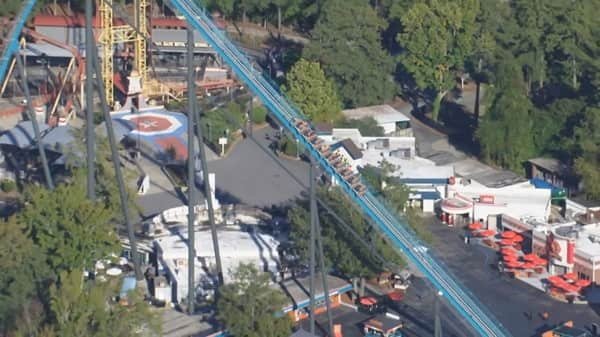
Authorities responded after reports of an incident involving the Goliath hypercoaster shortly before 4 p.m. Witnesses described a rider coming out of his seat and striking others during the event. Such accounts can help investigators reconstruct the sequence, but investigators must compare them with physical evidence, video where available, witness interviews and the ride’s operating data. Kariem had worked at Wesley International Academy in Atlanta, where colleagues remembered his work in technology and robotics education. His death has also placed attention on the other passengers who were injured and on the response of emergency services.
Who is investigating the roller coaster?
Georgia’s Office of the Commissioner of Insurance and Safety Fire is leading the mechanical and amusement-ride safety investigation. Cobb County police are separately assisting and assessing whether any matter within their jurisdiction requires further action. County officials said the state has the specialized authority to inspect the attraction’s machinery. Officials have not publicly determined whether a restraint malfunction, maintenance problem, operating error or another circumstance caused the fatal ejection. Assertions about any specific cause would therefore be premature.
What previous inspection records show
State officials said Goliath’s most recent state inspection occurred on March 16, 2026, and resulted in no violations, deficiencies, citations or red tags. Reporting on inspection records also noted a reference to bushings needing replacement. Those two facts are not necessarily contradictory: a maintenance observation does not automatically mean a cited safety violation, and its relevance to this accident has not been established. A successful inspection months earlier is important evidence of oversight history, but it cannot substitute for examination of the ride and its restraint systems after an accident.
Six Flags response and other ride closures
Six Flags kept Goliath closed while the investigation continued. The company also temporarily closed eight other roller coasters at five parks in the United States and Canada that share a manufacturer and similar lap-bar restraint designs. On October 26, Six Flags announced plans to install seat belts on Goliath and certain other roller coasters using comparable restraints. It also engaged independent engineers and inspectors to review procedures. The company did not announce a final cause of the October 12 accident, and a planned safety modification is not an admission of negligence or a determination that the original restraint system was defective.
Possible legal questions
Several legal pathways can arise after an amusement-park fatality. Regulators may examine compliance with inspection, operation and maintenance requirements. Police may consider criminal issues if evidence supports that step. Families of those harmed may consult counsel about negligence, product liability or wrongful-death claims under applicable Georgia law. Such civil claims generally require proof of legal duty, breach, causation and legally recognized harm; liability is not automatic because an injury occurred. The role of ride design, employee training, inspection records and warnings would depend on the evidence developed, including any eventual expert analysis.
What remains unanswered
The public still lacks a final official explanation of how Kariem was ejected and whether any mechanical or procedural deficiency contributed. Goliath’s closure, additional inspections and the company’s proposed seat-belt changes show the seriousness of the review, but none replaces the state investigation’s findings. Until those findings are released, responsible coverage should avoid attributing fault. The central questions are what happened, whether safety measures met applicable standards and what changes can prevent another tragedy. Investigators also must distinguish failures that could have been detected during a routine inspection from conditions that developed afterward. The design of restraint mechanisms, the consistency of loading checks, maintenance documentation and whether riders received clear instructions are all potentially relevant. No single witness description or past inspection record can answer those questions alone.