General Motors is a big automotive company right here in the country, and you always expect something better from this, but then you start seeing their name pop up in a lawsuit and it makes you wonder whether there is some problem with your vehicle or not, right? But the General Motors V8 Engine lawsuit had something to do with very specific models of SUVs and trucks, mainly those with, obviously, V8 engines, which led to a bunch of complaints being filed, and this was going on for more than a decade now.
Why Did GM’s V8 Engines Start Having Problems?
You may be hearing about this issue now, but the trigger point of this case goes back to actually around 2011. Yup, that’s way, way back, and to be more specific here, that’s when certain GM trucks and SUVs fitted with the 5.3-liter V8 engine became known for burning the oil at a faster rate than usual. So sure enough, that’s when complaints started to pile up too, like using too much oil, getting faulty spark plugs, and in extreme cases, faced engine stalling.
And over the years, this issue became so big that so many car owners started having troubles, to the point that some customers’ car engines were broken down beyond repair.
What Is the 2021 Lifter Lawsuit About?
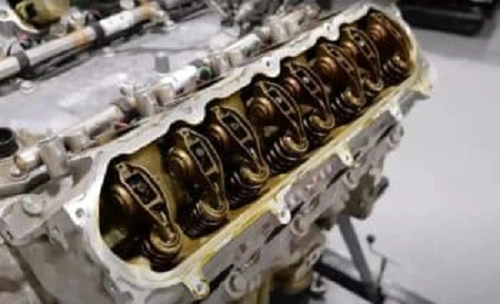
Around 2021, another suit targeted the problem with engine lifters. These components essentially regulate the opening and closing of the valves in the engine. From the plaintiff’s point of view, lifters were substandard designs and made of inferior materials.
Because of that, they became worn out quickly, produced ticking sounds, and in some instances, caused the whole engine to break down. Besides that, many owners blamed GM (General Motors) for its fuel-saving technology, Dynamic Fuel Management (DFM). This technology shuts down some engine cylinders for fuel economy, but it seems to have aggravated the wear of the engine parts.
Even for several years, there has never been an official recall for this matter. Up to the year 2026, this case has not been resolved, and a verdict has not been reached.
What Happened With the 6.2L V8 Recall?
In 2025, GM recalled almost 600,000 vehicles with the 6.2-liter L87 V8 engine. Among the models were the famous Silverado, Tahoe, Yukon, and Escalade.
The problem was that the crankshafts and connecting rods had defects. The metal parts were undergoing wear in the wrong way, and this could lead to major engine damage.
GM tried to fix the problem by suggesting a thicker oil. However, a great number of owners experienced engine breakdowns even after the repair. Consequently, the NHTSA started questioning the case in early 2026 after numerous complaints had been registered. There were even drivers who experienced abrupt engine stalls while they were driving.
Did All These Lawsuits Get Combined?
Yes. We saw that in the middle of 2025 when that happened, like all these smaller lawsuits got combined into one and now it was just called Rittereiser v. General Motors.
In case you’re here for the catch-up, see, the case will be heard at the federal court of Michigan, and lawyers are trying to turn it into a class action lawsuit. And yup, at this point in time, the lawsuit, the main one, is still ongoing.
Was There Any Settlement at All?
Yes, but it was limited to only the older engines, so yeah, not for everyone. To be more specific about the details, well, we saw how GM went ahead to pay approximately $150 million, which pretty much means that whoever was qualified can get as much as $3,300 each on average.
Who Is Affected by This?
Your case, if you own or lease a GM vehicle made between 2019 and 2024 fitted with a V8 engine, might be related to this matter. The problem goes pretty deep, as we’ve seen owners paying through their noses for repairs. And once the warranty runs out, a new engine can set you back $10,000 or even more.
Furthermore, cars whose engines have been replaced generally suffer a drop in their resale value, sometimes reaching a decrease of 10-20%. Fleet owners/business owners at the loss of business hours and double costs for repairs can hardly imagine how heavy the financial impact is.
What Should You Do If You’re Affected?
At first, use your VIN to check whether your vehicle is on the recall list at GM or NHTSA website.
Once your car is identified as one of the affected ones, schedule a visit to a GM dealer without delay. There, you can get the vehicle checked and also set up any necessary repairs. It is advisable that you get in touch with legal offices that focus on consumer rights such as Hagens Berman or Gibbs Law Group. They are mostly interested in reviewing your case for free and they only take a portion of the money if you get compensation.
In case you have already undergone repairs, make sure you hold on to all the receipts and service records. These documents might prove to be essential when a settlement or reimbursement program gets the green light.