Sure, Juul Labs was among the most famous brands in the country when it got going with their vape products and all those shiny and flavorful offerings, but right now, it is all going south for them, and they’re facing a lot of legal issues, and that’s what this Juul Class Action Lawsuit is in actuality about. Let’s just get to the details.
What Is Juul, And Why Did It Become Popular?
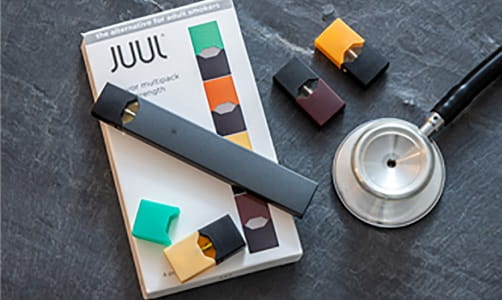
Juul is a compact vape product that a group called Juul Labs has created. Since the device is shaped like a USB stick, many people found it very practical to carry it along and very difficult to notice it. The device does not involve tobacco burning; rather it heats the liquid that contains nicotine and produces the vapor for the user to inhale.
Juul was rolled out in the United States in about 2015 and soon became widely aka super duper popular. By 2018, Juul held more than 70% of the e-cigarette market share, an enormous share for a single brand.
One main reason for such a popularity was the style of the device and its flavored pods. Besides standard flavors, users could also select flavors like mint, mango, and other fruit options. But… Yes, there was some big problem loading, and that’s what happened down the line.
Why Did People Take Juul To Court?
Numerous lawsuits alleged that Juul’s marketing and product information were deceptive. The complaint statements revealed that Juul advertised its devices as the healthier way to smoke to those cutting down on it, without elaborating the explanation of how addicted one can be by the nicotine level.
Besides, the focus of a big part of the lawsuit was on appeal to youngsters. Parents, schools, and some state governments were so worried about the ads of Juul that they looked like they were intentionally designed to lure teenagers. All these things such as bright colors, promotion through social media, and flavored pods, became part of the discussion.
Concern over nicotine content was the least of the concerns. A Juul pod on its own has the same nicotine capacity as a pack of cigarettes. A few lawsuits maintained that the vast majority of the users had little idea about the potency of the product.
This is why thousands of people, plus schools and governmental agencies, ended up challenging Juul through court.
What Health And Addiction Claims Were Made?
First of all, yes, there were splits of lawsuits on this matter, like people who brought lawsuits claimed that the use of Juul has resulted in very strong nicotine addiction, breathing difficulties, seizure, and other health problems. Several of them confided that their intention was to use Juul as a method for quitting smoking cigarettes; however, what they got more was the dependence on nicotine.
On the other hand, talking about other perspectives on things, see, parents also initiated legal actions on the grounds that children have gotten addicted to Juul products, which are not only easy to get but also attractive to young users.
Therefore, the suits were not entirely about advertising. The main thrust of many, however, was that the product was a source of addiction or health risk.
How Much Money Did Juul Agree To Pay?
Several large settlements have emerged from these lawsuits over the years.
For example, in December 2022, Juul committed to handing over roughly $1.7 billion to resolve thousands of personal injury and marketing lawsuits. And?
Oh, well, from the very start, yes, the focus of another settlement was on consumers who purchased Juul products. Under that arrangement, Juul consented to distribute $255 million among customers who claimed that the company had misled them about the addiction risks. Subsequently, Altria, a tobacco firm that once financially supported Juul, contributed around $45.5 million to that settlement.
All these payments together constituted a consumer settlement that was more than $300 million.