Evidence is the foundation of a personal injury case. Evidence such as medical records, witness statements, and expert testimony proves who was at fault, how the injury occurred, and the losses you suffered. Personal injury cases are very common in cities like Albuquerque.
It is the largest city in New Mexico and sits along the Rio Grande. Major highways such as I-25 and I-40 run through the city and see frequent vehicle accidents each year. This may lead to personal injury claims.
If you are preparing a claim with an Albuquerque injury lawyer, strong evidence will determine whether your case stands or falls.
Courts and insurance companies rely on clear proof, not assumptions. The more organized and detailed your evidence is, the stronger your position becomes.
Here is some of the important evidence you need to win a personal injury case.
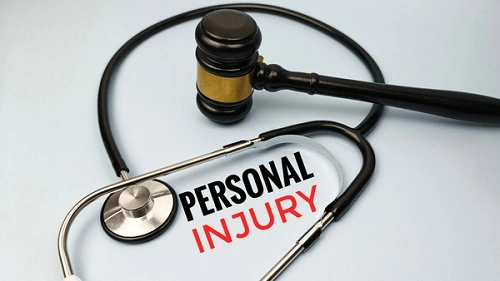
Medical Records and Treatment Documentation
Medical records are the backbone of any personal injury claim. They confirm that you were hurt and show how serious the injury is.
Important medical evidence includes:
- Emergency room reports
- Doctor visit notes
- Imaging results such as X-rays or MRIs
- Prescription records
- Physical therapy or specialist treatment plans
These records connect your injury directly to the accident. Delays in treatment can weaken this connection.
Proof of the Accident Itself
You must show how the incident happened. Evidence from the scene helps establish fault.
Useful proof may include:
- Police or incident reports
- Photographs of vehicle damage or hazardous conditions
- Video footage from security cameras or dashcams
- Property damage estimates
Official reports often document weather, road conditions, and statements from those involved. Photos and videos provide visual confirmation that supports written accounts.
Witness Statements
Witnesses provide independent accounts of the event. Their statements can confirm key details about what occurred.
A witness may describe speeding, unsafe conditions, or actions taken by the other party. Written or recorded statements gathered early are often more accurate than later recollections.
Evidence of Financial Loss
A personal injury case must show actual financial harm. Without proof of losses, compensation may be limited.
Financial evidence may include:
- Recent pay stubs
- Tax returns
- Employer letters confirming missed work
- Medical bills and receipts
- Repair or replacement invoices
These documents help calculate lost income and out-of-pocket expenses. They also support claims for future losses if the injury affects long-term earning ability.
Expert Opinions When Needed
Some cases involve complex injuries or disputed faults. In these situations, expert analysis may be necessary.
Medical experts can explain the long-term effects of an injury. Accident reconstruction specialists may clarify how a crash occurred.
Experts help translate technical details into clear explanations that support your claim.
Strong Evidence vs. Weak Evidence
Strong evidence is detailed, timely, and consistent. It clearly connects the accident to the injury and the financial impact.
Weak evidence may involve missing records, delayed treatment, or inconsistent statements. Gaps in documentation can create doubt about what truly happened.
Organized records reduce disputes and improve credibility.
Steps to Take to Protect Your Evidence
Taking quick action helps preserve important proof.
- Seek medical treatment immediately.
- Report the incident to the proper authority.
- Photograph the scene and your injuries.
- Collect witness names and contact details.
- Keep every bill, receipt, and medical record.
Early documentation strengthens the link between the accident and your injuries.
Key Takeaways
- Evidence proves fault, injury, and financial loss.
- Medical records are central to a strong case.
- Photos, videos, and reports confirm how the accident occurred.
- Witness statements support your version of events.
- Financial documents show the real cost of the injury.
- Expert opinions clarify complex issues when needed.
- Acting quickly helps preserve important evidence.