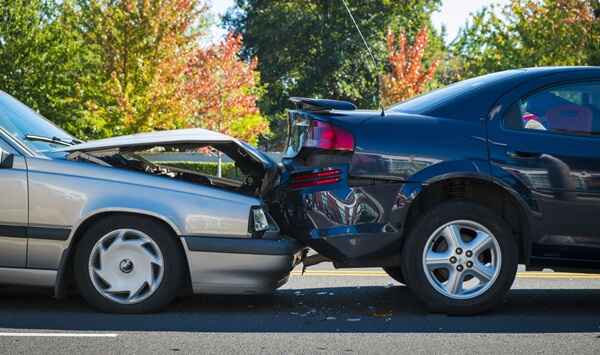
Denver is Colorado’s largest city and serves as a major transportation hub for residents and visitors alike. With busy highways, growing traffic volumes, and an active legal system, accidents involving impaired driving are taken very seriously throughout the region. Law enforcement agencies and courts closely investigate incidents involving allegations of driving under the influence of drugs.
Avoiding mistakes after a DUID accident is critical because your actions can significantly affect both your legal rights and the outcome of any criminal or civil proceedings. Making informed decisions, preserving evidence, and seeking legal guidance early can help you navigate the situation more effectively.
Individuals involved in these situations often seek guidance from a Denver DUID accident lawyer to better understand their rights and avoid actions that could negatively impact their case.
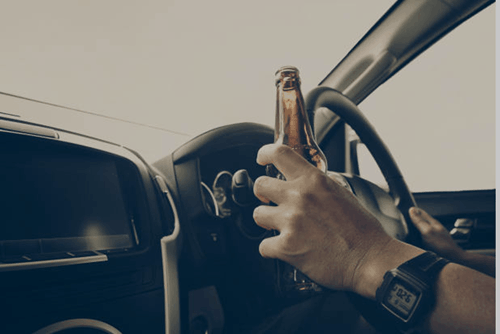
1. Leaving the Scene of the Accident
One of the most serious mistakes a person can make is leaving the scene before fulfilling legal obligations. Even if the accident appears minor, drivers are generally required to stop, exchange information, and cooperate with law enforcement when appropriate.
Leaving the scene can result in additional criminal charges and may create the impression that a driver was attempting to avoid responsibility. Remaining at the scene and following legal requirements is essential.
2. Failing to Seek Medical Attention
Some injuries are not immediately apparent after an accident. Adrenaline and shock can mask symptoms, causing individuals to underestimate the severity of their condition.
Seeking prompt medical evaluation protects both your health and your ability to document injuries that may later become important in legal proceedings. Medical records often serve as valuable evidence regarding the effects of an accident.
3. Making Statements Without Understanding the Consequences
Many people feel pressure to explain what happened immediately after a collision. However, making detailed statements before understanding the full situation can sometimes create complications.
Information provided to law enforcement, insurance companies, or other parties may later be scrutinized and compared with additional evidence. It is often wise to be cautious and ensure that any statements are accurate and carefully considered.
4. Failing to Preserve Evidence
Evidence can play a major role in determining what occurred and who may be liable. Photographs of the vehicles, road conditions, traffic signs, visible injuries, and the accident scene can be valuable.
Witness contact information, dashcam footage, and medical records may also prove important later. The longer a person waits to gather evidence, the greater the risk that critical information may disappear.
5. Discussing the Accident on Social Media
Social media activity can have unintended consequences. Posts, photographs, comments, and messages may be reviewed during legal proceedings and could potentially be used to challenge claims or statements.
Even seemingly harmless content may be taken out of context. Avoiding public discussions about the accident can help prevent unnecessary complications.
6. Waiting Too Long to Obtain Legal Advice
Many individuals assume they can handle everything on their own. However, DUID accident cases often involve complex legal issues, including criminal allegations, insurance disputes, and potential injury claims.
Delaying legal guidance may result in missed opportunities to protect important rights or preserve critical evidence. Early legal assistance can help individuals better understand their options and responsibilities.
Understanding Colorado’s DUID Laws
Colorado treats drug-impaired driving offenses seriously. Under Colorado Revised Statutes § 42-4-1301, a person may face penalties for operating a vehicle while under the influence of drugs to a degree that substantially impairs their ability to drive safely.
This law often becomes a central issue in investigations and legal proceedings involving DUID accidents. Understanding the legal framework can help individuals make more informed decisions after an incident.
Protecting Yourself After a DUID Accident
The period immediately following an accident can be stressful and confusing. Taking appropriate steps, preserving evidence, following medical recommendations, and understanding your legal obligations can make a significant difference. Careful decision-making can help protect both your rights and your future as the situation develops.
Key Takeaways
- Leaving the scene of an accident can create serious legal consequences.
- Medical evaluation is important even when injuries seem minor.
- Be cautious when making statements about the accident.
- Preserve evidence as soon as possible.
- Avoid discussing the incident on social media.