In the headlines, you must have been seeing some updates regarding whatever is going on with the Vivziepop Lawsuit, but do you know the details so far? Like, who is involved in this case, what was the reason this lawsuit was filed, and where things stand now? Right? Well, if you’re someone who seeks answers to these questions, then keep on reading because there is a lot we will be going over.
Who Is VivziePop?
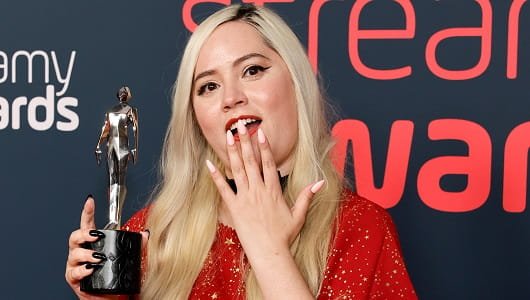
VivziePop is the pseudonym of Vivienne Medrano, who started SpindleHorse. Per the studio’s team page, she is mainly recognized for being the creator of Helluva Boss and Hazbin Hotel. Consequently, any problem with SpindleHorse very quickly turns into a “VivziePop” story on the web. And as a result, a lot of people confusing a company-related labor dispute with a personal lawsuit, which most of the time are different.
What Happened In 2025?
This issue dates back to September 2025. That is when Cartoon Brew reported that SpindleHorse artists requested and secured voluntary recognition with The Animation Guild. The reported bargaining unit consisted of 106 artists. Simply put, the workers unionized themselves, and the studio recognized their union without even having to go through a longer election process. This 2025 event is quite an essential element of the narrative as it assists in clarifying why a labor case would be filed as late as 2026.
What Was Filed In 2026?
Generally, the main public record of the case can be found on the website of the National Labor Relations Board or NLRB. The case details are available under Case 31-CA-381625. According to the case record, the case was initially filed on 19th February 2026. The record further reveals that The Animation Guild, Local 839, IATSE was the party that initiated this case. In contrast, the employer, SpindleHorse, is the one listed on the other side. The very same case page also indicates that the status of the matter is Open. The place of the case is given as Encino, California, and the record indicates 122 employees. Besides, the docket also refers to a signed charge against the employer as of February 20, 2026.
What Does The Case Actually Say?
The public case page, at first sight, may look somewhat technical as it contains short legal terminologies and categories. But if we reduce it to the simplest terms, the core message is quite easy to grasp. The union is accusing the company of potentially violating labor laws in their treatment of workers during a union-related conflict. The alleged misconduct among other things includes company making union activity-related threatening or pressuring statements, firing workers or changing their working conditions because of union activity, and issues with unilaterally changing terms-in-agreement or denying the union access to requested information.
However, this does not imply that the company has been found guilty of anything so far. It just indicates that these are the issues that have been formally entered during the course of the litigation. NLRB regulations stipulate that employers are not allowed to penalize employees for union activities and on the other hand, they are also obligated to give relevant information for the purpose of bargaining. So, yes, the situation is a quite significant one. Nonetheless, the case is still at the point when the allegations are merely allegations, nothing more than that for the time being.
Is There A Final Decision?
Actually, there isn’t one. And it is at this point that many people start getting confused. The way NLRB operates is that just because a charge is filed doesn’t mean it is a final ruling right away. Initially, the charge undergoes investigation. Then, if the matter remains unresolved, the agency has the option to issue a formal complaint and even bring the case for a hearing. Therefore, an ongoing case does not signify that a final decision has already been made. Nor does it imply that everything has already been determined just like in a closed court case.