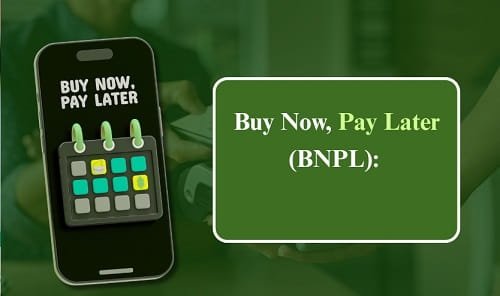
Buy Now, Pay Later (BNPL) services like Klarna, Affirm, and Afterpay have changed how people shop. You can split payments into smaller installments, often with no interest.
But in 2026, the legal rules around BNPL are still evolving. The system sits somewhere between traditional loans and credit cards, with a mix of federal laws and strong state-level controls.
Here’s how the legal landscape actually works today.
1. Federal Rules: The CFPB “U-Turn”
At the national level, regulation has shifted in recent years.
What Happened
The Consumer Financial Protection Bureau (CFPB) initially tried to classify BNPL providers as credit card issuers.
That would have given users:
- Strong dispute rights
- Refund protections
- Billing protections
2025–2026 Shift
- The rule faced legal challenges
- Enforcement was rolled back
- The classification is now being reconsidered
Current Federal Reality
BNPL is mostly treated as:
- Closed-end credit
This means:
- Providers must disclose terms
- But they are not required to offer full credit card protections
Key Law Still Applies
BNPL must follow the Truth in Lending Act (TILA) in many cases.
2. New York’s BNPL Act (2026)
While federal regulation slowed, states stepped in—starting with New York.
What the Law Requires
Mandatory Licensing
- BNPL companies must register with state regulators
Underwriting Rules
Lenders must check:
- Your income
- Your existing debt
This reduces reckless lending.
Fee Caps
- Late fees are limited (often around $8)
- Total fees cannot exceed the original loan
Payment Attempt Limits
- Only two failed payment attempts allowed
- After that, new authorization is required
Why This Matters
New York has set the standard. Other states are beginning to follow.
3. State-Level Regulation (Growing Fast)
Different states are building their own rules.
California
- Requires BNPL providers to be licensed
- Regulates them under lending laws
Oregon & Massachusetts
- Monitoring “dark patterns”
Preventing apps from:
- Encouraging overspending
- Hiding true costs
Trend in 2026
- States are becoming stricter than federal law
- Consumer protection is expanding locally
4. Your Rights Under TILA (What You Must Be Told)
Even without full credit card protections, BNPL providers must be transparent.
What You Must See Before Signing
APR Disclosure
- Interest rate (even if 0%)
Total Cost
- Full amount you will pay
Payment Schedule
- Due dates
- Installment amounts
No Prepayment Penalty
In most cases:
- You can pay early
- No extra charges
5. BNPL vs Credit Cards: Key Differences
| Feature | BNPL | Credit Cards |
| Credit Check | Often soft check | Hard check |
| Dispute Rights | Limited/varies | Strong legal protection |
| Late Fees | Often capped (~$8) | Higher caps ($25–$35) |
| Credit Reporting | Increasing | Always reported |
| Regulation | Mixed (state-heavy) | Strong federal laws |
6. Hidden Risks in BNPL (2026 Reality)
BNPL feels simple—but there are real risks.
The “Return Trap”
If you return a product:
- You may still need to keep paying
Until:
- The merchant confirms the return
Result
- Late fees may apply
- Even if you no longer have the item
Overdraft Risk
BNPL payments:
- Pull directly from your bank
If funds are low:
- You may face bank overdraft fees
Credit Score Impact
- Many BNPL providers now report to credit bureaus
- Missed payments can hurt your score
7. Arbitration Clauses (Important Legal Detail)
Most BNPL services include:
- Mandatory arbitration clauses
What This Means
- You cannot join class-action lawsuits
- Disputes must be handled privately
Your Option
You often have:
- 30 days to opt out
Usually by:
- Sending an email or form
Why This Matters
Opting out:
- Preserves your right to sue in court
8. Payment Apps & Reduced Protection
If your BNPL account is linked to apps like:
- Bank transfers
- P2P systems
Risk
You may have:
- Fewer fraud protections
Compared to:
- Credit card-linked payments
Final Thoughts
BNPL in 2026 sits in a legal gray zone. It’s not fully regulated like credit cards, but it’s no longer unregulated either.
The system is moving toward:
- More state control
- More transparency
- More accountability
But gaps still exist.
Key Takeaways
- BNPL is legal but not fully protected like credit cards
- State laws (especially New York) are leading regulation
- You must read terms carefully—especially fees and disputes
- Always act quickly if there’s an issue
BNPL can be useful when used carefully. But it’s easy to overspend without realizing the full impact. The legal system is catching up—but until it does completely, the responsibility to stay informed is still yours.