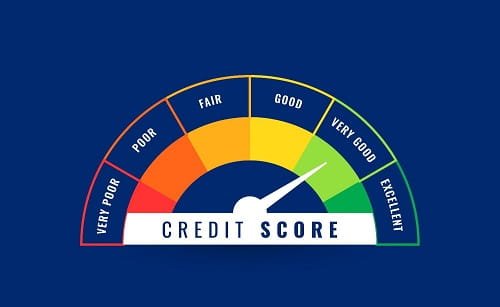
In the United States, your credit score isn’t just a number lenders look at—it’s part of a legally regulated system. Every detail on your credit report is governed by the Fair Credit Reporting Act (FCRA), which sets strict rules on accuracy, privacy, and fairness.
In 2026, with more automated systems and AI-based reporting, errors have become more common—and so have consumer complaints. That’s why enforcement by the Consumer Financial Protection Bureau (CFPB) has become stricter.
If you understand your rights under the FCRA, you can correct mistakes, protect your identity, and even take legal action when companies fail to follow the law.
1. The Right to Accuracy: Your Power to Dispute Errors
The foundation of the FCRA is simple:
Your credit report must be accurate and complete.
How the Dispute Process Works
If you find an error (for example, a false late payment):
- You can file a dispute with the credit bureau
- The bureau must investigate—usually within 30 days
- They contact the “furnisher” (bank or lender) to verify
The Deletion Rule
If the information:
- Cannot be verified
Then:
- It must be removed or corrected immediately
2026 Reality Check
There has been a sharp rise in:
- Automated dispute rejections
If a bureau uses AI to reject your dispute without proper review, it may violate the law. You have the right to demand a real investigation.
2. The Right to Access: Free Weekly Credit Reports
Earlier, you could only get one free report per year. That has changed.
Current Rule (2026)
- You can access free weekly reports from:
- Equifax
- Experian
- TransUnion
Where to Get Them
- com
If You Need Extra Copies
- Maximum fee allowed: $16 per report
Adverse Action Notice
If you are denied:
- A loan
- Insurance
- A job
You must receive a notice explaining:
- Which report was used
This gives you the right to:
- Get a free copy, even if you already used your weekly access
3. The “Seven-Year Rule”: When Negative Items Expire
Negative marks don’t stay forever.
Time Limits
- 7 years: Late payments, collections, foreclosures
- 10 years: Chapter 7 bankruptcy
- 7 years: Chapter 13 bankruptcy (in many cases)
Important Warning: “Re-Aging”
Some debt buyers try to:
- Make old debt appear new
This is illegal.
The timeline must always start from:
- The original date of delinquency
Not when the debt was sold.
4. Medical Debt Rules (2026 Update)
Medical debt reporting has changed significantly.
Key Changes
- Debts under $500 are usually not reported
- Paid medical collections must be removed immediately
- They cannot remain as “paid collections”
State-Level Changes
Some states now:
- Completely ban medical debt from credit reports
This is part of a broader shift toward consumer protection.
5. Security Freezes and Fraud Alerts
With identity theft rising, the FCRA gives you tools to protect yourself.
Security Freeze
This is the strongest option.
What it does:
- Blocks new credit accounts from being opened in your name
Key features:
- Free in 2026
- Can be turned on/off instantly (often via apps)
Fraud Alert
A lighter option.
What it does:
- Warns lenders to verify your identity
Duration:
- Typically lasts 1 year
6. Privacy Rights: Who Can See Your Credit Report?
Not everyone has the right to access your credit file.
Permissible Purpose Rule
Your report can only be shared with:
- Lenders reviewing your application
- Landlords screening tenants
- Insurance companies underwriting policies
Employment Protection
Employers:
- Must get your written permission before checking your credit
Without consent, it’s illegal.
7. Opt-Out Rights and Marketing Control
You also control how your data is used for marketing.
Prescreened Offers
Credit bureaus may share your profile for:
- Pre-approved credit cards
- Loan offers
Your Right
You can opt out by:
- Calling 1-888-5-OPTOUT
This stops most unsolicited credit offers.
8. Summary of Your Core Rights
| Right | What It Means |
| Accuracy | Errors must be corrected or deleted |
| Dispute | You can challenge any incorrect entry |
| Access | Free weekly reports available |
| Transparency | You must be told when your report is used |
| Privacy | Only authorized parties can view your data |
| Opt-Out | You can stop prescreened offers |
9. Taking Legal Action: When Companies Break the Law
If a credit bureau or lender ignores your rights, you can take action.
When You Can Sue
- They fail to correct a verified error
- They ignore your dispute
- They report false information knowingly
What You Can Claim
Statutory Damages
- Compensation even without financial loss
Punitive Damages
- If the violation was intentional
Attorney’s Fees
- The company may be required to pay your legal costs
This makes it easier for consumers to pursue justice.
Final Thoughts
Your credit report controls major parts of your life—from loans to jobs to housing. But under U.S. law, you are not powerless.
The FCRA gives you clear rights:
- To correct errors
- To access your data
- To protect your identity
- To challenge unfair reporting
Most people ignore mistakes on their credit reports. That’s where problems grow. But if you stay alert and use your legal rights, you can keep your credit profile clean—and your financial future secure.