A personal injury claim is a legal process that lets someone who was hurt because of another person’s negligence seek financial compensation for what they lost in terms of medical bills, missed work, pain, and other damages. Most personal injury cases go through several defined stages, from the initial investigation all the way through settlement or trial.
In Dayton, Ohio, a city of over 137,000 people in the Miami Valley region, about 40 miles north of Cincinnati, Montgomery County records more than 64,000 vehicle collisions annually.
And with Ohio ranking second in the country for personal injury lawsuit volume, you, as a resident, are very likely to need proper legal guidance at some point. So, if you’re in that situation, know that working with a personal injury law firm in Dayton, OH, early in the process can make a measurable difference in what you recover.
How Does the Personal Injury Claim Process Work?
Here’s a rundown of the entire personal injury claims procedure:
Seeking Medical Treatment First
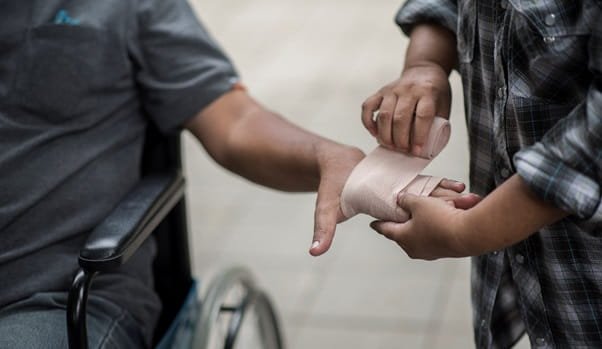
Before anything else, get medical attention. This is the first step, and it’s non-negotiable. Medical records are evidence. They document what your injuries are, how serious they are, and when they occurred.
A gap between the accident and your first medical visit gives the other side room to argue your injuries weren’t that serious or weren’t caused by the accident at all.
Keep every bill, every diagnosis, and every treatment note because all of it becomes part of your case.
Consulting a Personal Injury Attorney
Once you’ve addressed your immediate medical needs, talk to a lawyer. Most personal injury attorneys work on a contingency fee basis, so there’s no upfront cost. That arrangement also means your attorney is motivated to get you the best possible outcome.
During that first consultation, your attorney is essentially sizing up your case, how strong it is, what it’s realistically worth, and how long things might take. Be honest with them. The more they know upfront, the better they can advise you.
Most personal injury cases stay at the state level. But if the other party is from a different state and your damages cross $75,000, federal court becomes an option under 28 U.S.C. § 1332. Your attorney will know which route makes more sense for your situation.
Filing the Insurance Claim
Once the investigation has enough traction, your attorney will send a demand letter to the at-fault party’s insurance company.
The insurance company will review it and respond. What comes next is negotiation.
The Negotiation Stage
Insurance companies are businesses. Their first offer is almost never their best offer. Your attorney will push back. They’ll lay out the evidence, explain what the damages actually add up to, and make clear that the first offer isn’t going to cut it.
Sometimes that moves things along quickly. Other times, it’s a longer process that takes weeks of back-and-forth, sometimes more, depending on how dug-in the insurance company is and how complicated the facts of the case are.
Filing a Lawsuit
When negotiation hits a wall, filing a lawsuit is where things go next. Your attorney drafts a formal complaint that gets filed, the defendant gets served, and they have a specific window to respond.
The Discovery Phase
Discovery is basically both sides being required to show their cards. Under Federal Rule of Civil Procedure 26, each party has to disclose relevant evidence and information to the other side.
That rule applies directly in federal civil cases, and a lot of state courts have built their own discovery rules around the same idea. So, regardless of where your case is being heard, expect to hand things over and receive things in return.
So, after a lawsuit is filed, both sides go through discovery, which is the formal information-exchange process where each side can request documents, submit written questions under oath, and take depositions in court.
Settlement or Trial
The majority of personal injury cases settle before trial. Even after a lawsuit is filed, settlement discussions continue. Some cases go through mediation, which is a structured negotiation with a neutral third party, before anyone sees a courtroom.
But sometimes that just doesn’t happen. The insurance company digs in, the numbers stay too far apart, and trial becomes the only real option.
A judge or jury goes through the evidence, both sides argue their case, and a verdict comes down. It takes longer and costs more. But for some people, it’s the only way to actually get what they’re owed.
Key Takeaways
- A personal injury claim gives injured people a legal path to seek compensation from whoever caused their harm.
- Get medical attention right after the accident.
- Most personal injury attorneys work on contingency.
- The process generally goes: investigation – demand letter – negotiation – settlement or lawsuit – discovery – trial.
- First settlement offers from insurance companies are almost always low. An attorney negotiating for you changes that dynamic.
- Most cases settle, but going to trial is sometimes the only way to reach a fair outcome.