Employees facing workplace discrimination often struggle to understand their legal rights. Speaking with a New York disability rights attorney can help workers understand the protections available under federal and state law and what steps they can take when discrimination affects their careers.
Disability discrimination remains a serious issue in workplaces across New York. While laws have expanded protections for workers with disabilities, many employees still encounter barriers when applying for jobs, requesting accommodations, seeking promotions, or simply trying to perform their duties without unfair treatment. Understanding these rights is an important part of creating fair workplaces and helping employees protect their careers.
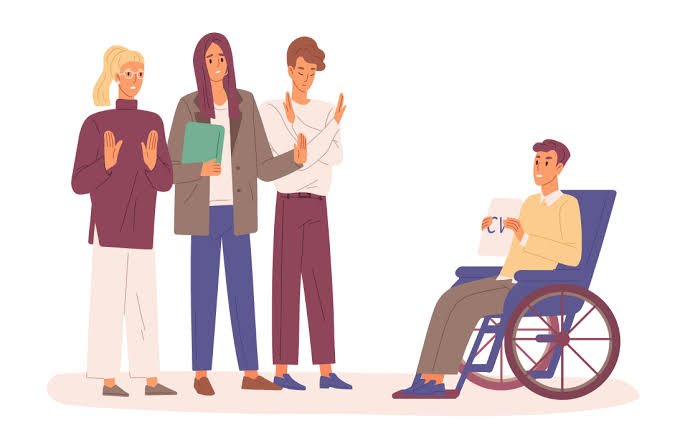
Understanding Disability Discrimination at Work
Disability discrimination occurs when an employer treats an employee or job applicant unfairly because of a physical, mental, or medical condition.
This type of discrimination can appear in many forms. Some employees are denied opportunities because of assumptions about their abilities. Others may be excluded from projects, passed over for promotions, or subjected to negative comments related to their condition. In some cases, qualified applicants are never hired because an employer believes a disability will make the job more difficult.
Federal law through the Americans with Disabilities Act and New York state laws prohibit these practices. Employers are generally expected to evaluate workers based on their qualifications and ability to perform essential job duties rather than stereotypes or misconceptions.
Why New York Has Strong Workplace Protections
New York provides some of the strongest workplace discrimination protections in the country.
The state’s workforce includes millions of employees working in industries such as finance, healthcare, technology, education, retail, and public service. With such a large and diverse labor market, state lawmakers have created protections that often go beyond federal requirements.
The Equal Employment Opportunity Commission explains that employees with disabilities are protected from discrimination in hiring, promotions, compensation, training, and other workplace decisions. New York law often provides broader definitions of disability, giving workers additional protections when disputes arise.
These protections are especially important in major employment centers such as Manhattan, Brooklyn, Queens, the Bronx, and Staten Island, where thousands of workers interact with employers of every size.
The Importance of Reasonable Accommodations
Reasonable accommodations help qualified employees perform their jobs effectively.
Many disabilities do not prevent a person from working successfully. Sometimes workers simply need adjustments that allow them to perform essential job functions. Examples can include modified schedules, assistive technology, ergonomic equipment, accessible workspaces, or permission to work remotely when appropriate.
Employers are generally required to engage in an interactive process when an employee requests an accommodation. This means discussing possible solutions rather than automatically rejecting the request.
When employers refuse to consider accommodations without a legitimate reason, legal disputes often follow. In many cases, workers are not seeking special treatment. They are simply requesting the tools or flexibility needed to perform their jobs successfully.
Common Signs of Disability Discrimination
Several workplace situations may indicate potential discrimination.
Employees should pay attention when disciplinary actions begin shortly after disclosing a disability or requesting accommodations. Sudden changes in job duties, exclusion from meetings, denial of advancement opportunities, or negative comments about medical conditions may also raise concerns.
Retaliation is another issue that workers frequently encounter. Some employees report unfair treatment after filing complaints or requesting accommodations. Retaliation can include demotions, reduced hours, undesirable assignments, or even termination.
Recognizing these warning signs early can help employees document problems and protect their rights before situations become more severe.
Documentation Can Strengthen a Claim
Keeping records is often one of the most important steps an employee can take.
Documentation may include emails, text messages, performance reviews, accommodation requests, medical documentation, and notes regarding conversations with supervisors or human resources personnel.
Clear records can establish timelines and provide evidence when disputes arise. Employees who maintain organized documentation often have a stronger understanding of what occurred and when it happened.
Workers should also save communications related to accommodation requests, including responses from management. These records may become important if questions arise regarding whether an employer properly handled the request.
New York City Workers Face Unique Employment Challenges
New York City presents unique workplace challenges because of its size and diversity.
The city is home to some of the largest employers in the nation, ranging from multinational corporations to small businesses. Competition for positions can be intense, and employees often hesitate to report discrimination because they fear retaliation or career setbacks.
Despite these concerns, legal protections exist to help workers address unlawful treatment. Employees who understand their rights may feel more confident raising concerns and pursuing solutions when discrimination occurs.
The city’s fast-paced work environment also makes accommodation issues particularly important. Flexible schedules, remote work options, and accessible workplaces can make a significant difference for employees managing disabilities while maintaining demanding careers.
Legal Options Available to Employees
Workers who experience disability discrimination may have several legal options available.
Depending on the circumstances, employees may file complaints with government agencies, pursue settlement discussions, or seek relief through litigation. Outcomes can vary based on the facts of each case, but legal remedies may include back pay, reinstatement, accommodation changes, emotional distress damages, and other forms of compensation.
Understanding available options often requires a careful review of workplace records, employer policies, and communications related to the dispute. Early legal guidance can help employees evaluate the strength of their claims and determine the most appropriate course of action.
Building More Inclusive Workplaces
Preventing discrimination benefits both employees and employers.
Organizations that foster inclusive workplaces often experience stronger employee retention, higher morale, and improved productivity. Clear policies, effective training, and responsive accommodation procedures can help reduce misunderstandings and workplace conflicts.
Employers that actively support workers with disabilities demonstrate a commitment to fairness and equal opportunity. Employees who feel respected and valued are more likely to contribute positively to workplace culture and long-term business success.
The Americans with Disabilities Act continues to serve as an important framework for promoting accessibility and equal treatment throughout the workplace.
Conclusion
Disability discrimination remains a challenge for many workers, but legal protections exist to help employees defend their rights.
New York workers who understand accommodation requirements, recognize signs of discrimination, and maintain proper documentation are often better positioned to address workplace issues effectively. As awareness continues to grow, employers and employees alike play an important role in creating workplaces where individuals are judged by their abilities, qualifications, and contributions rather than misconceptions about disabilities.