The collision lasts two seconds on Speer Boulevard. The case that follows runs for months. Whether it ends in a fair settlement or a denied claim has almost nothing to do with the crash itself and almost everything to do with what evidence was preserved in the hours and days after.
According to the Colorado Department of Transportation, Denver County had one of the highest numbers of traffic fatalities involving impaired drivers in 2025. Strong evidence is the only thing standing between an injured Denver driver and the insurance company’s lowest possible offer.
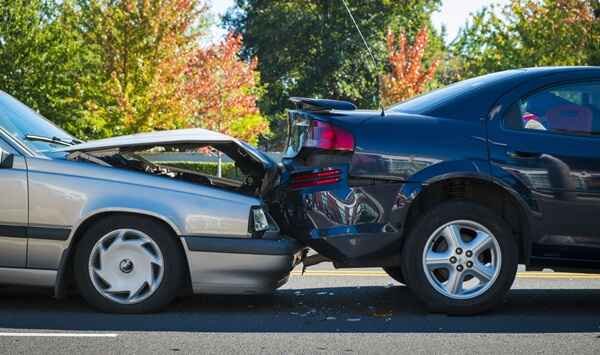
The right documentation does not appear by accident. It gets gathered, preserved, and presented with purpose.
In this post, you’ll learn:
- Which types of car accident evidence carry the most weight in a Colorado car accident case
- How a police report and witness statements help prove fault in a car accident
- What digital evidence courts in Denver routinely accept
- How a Denver accident attorney builds a stronger evidence package from day one
Why Evidence Decides the Outcome of a Denver Car Accident Case
Every car accident claim is a contest over facts. Insurance adjusters, defense lawyers, and at-fault drivers all push their version of what happened. The strongest evidence usually wins, and weak documentation gives the insurance company room to lower the offer.
According to NHTSA’s early estimate report, 17,140 people died in motor vehicle traffic crashes nationwide. Behind every serious injury sits a paper trail that decides how the case ends. The earlier a Denver driver starts building that trail, the stronger the Colorado car accident case is.
The Police Report and How to Prove Fault in a Car Accident
The police report is the foundation of any Denver car accident case. A responding officer documents the scene and interviews witnesses. They record the conditions and any citations issued. Insurance companies treat the report as the first formal account of what happened.
Colorado uses a modified comparative negligence rule under Colorado Revised Statutes § 13-21-111. A driver who is at fault for 50 percent or less may still recover compensation. The police report often decides which side of that line the case lands on.
Photo, Video, and Digital Evidence From the Scene
Visual evidence carries enormous weight. Phone photos of every vehicle, damage angles, road conditions, skid marks, traffic signals, and visible injuries are included in the file. Wide shots and close-ups both matter, and capturing them before the scene is cleared is important.
Digital evidence reaches further than most drivers realize. Dashcam footage, surveillance video, GPS data, and EDR readouts all factor into modern Denver car accident cases. The injured driver has every reason to pull this evidence early.
Medical Records as Car Accident Evidence
Medical records are the bridge between the crash and the compensation. ER notes, follow-up appointments, imaging, and specialist evaluations all link the injuries to the accident. Without this paper trail, the insurance company has room to argue that the injuries originated elsewhere.
Gaps in care are one of the most damaging weaknesses in any Colorado car accident case. A delay of even a few days between the crash and the first medical visit gives adjusters grounds to question severity. Continuous treatment, with clear records, is what keeps the case strong.
Witness Statements and Independent Accounts
A neutral third party who saw the crash often carries more weight than either driver. Witness statements from bystanders, passengers, and nearby motorists support the police report and help establish fault. Get the names and contact information of everyone at the scene.
Expert witnesses are brought in for more complex cases. Accident reconstructionists, medical experts, and economists translate technical evidence into conclusions about fault and long-term impact. Their analysis often shifts how a Denver car accident lawyer presents the case.
Common Mistakes That Weaken a Colorado Car Accident Case
Strong evidence is only half the equation. Avoiding the mistakes that hand the insurance company ammunition is just as important. The most damaging missteps in the first weeks after a Denver crash:
- Skipping medical care because nothing feels broken
- Posting photos, videos, or commentary about the accident on social media
- Giving a recorded statement to the other driver’s insurance
- Accepting a quick settlement offer before the full extent of injuries is known
- Failing to preserve dashcam footage before it overwrites
- Waiting too long to consult a Denver accident attorney
Each mistake reduces the value of an otherwise strong claim. Knowing what not to do is half the key to proving fault in a car accident.
How a Denver Car Accident Lawyer Builds the Evidence Package
A Denver car accident lawyer starts the evidence work the moment a case opens. The lawyer knows what to preserve and what to subpoena. They know what to challenge before the insurance company shapes the narrative.
What an experienced legal team brings to a Colorado car accident case:
- Immediate preservation letters to secure dashcam footage, surveillance video, and EDR data
- Subpoenas for phone records, traffic camera footage, and witness contact lists
- Coordination with treating physicians to document the full extent of injuries
- Accident reconstruction analysis when fault is disputed
- Direct handling of all insurance communication to prevent damaging recorded statements
- A full damages calculation covering medical bills, lost wages, and future care
A Denver accident attorney builds the kind of evidence package that insurance companies actually take seriously.
When the Evidence Tells the Right Story
A Denver car accident case is won on the strength of a comprehensive record. The police report, medical timeline, visual evidence, witness accounts, and digital data are all considered evidence. Each piece supports the others.
The work begins in the hours after the crash and continues through every stage of the claim. Insurance companies are built to find weaknesses. A strong evidence package leaves them very little to work with.
Anyone injured in a Denver crash should consider speaking with an experienced Colorado injury team early in the process. The earlier the case is in good hands, the more of its value stays where it belongs.