A collision involving a commercial truck is rarely a simple traffic accident, especially when it happens inside one of the truck’s large blind spots. These crashes often occur without warning because tractor-trailers have areas around the vehicle where surrounding traffic becomes almost impossible to see. Drivers in passenger vehicles usually don’t realize how extensive these “No-Zones” are until an accident changes their lives. Medical bills, lost income, vehicle damage, and emotional stress can quickly become overwhelming. A Blind Spot Truck Accident Attorney helps victims investigate exactly why the collision occurred and identifies everyone who may share legal responsibility.
Why Blind Spot Truck Collisions Are More Dangerous Than Typical Highway Accidents
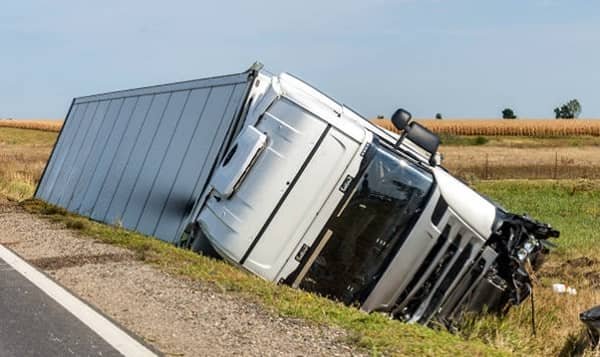
Large commercial trucks have blind spots extending along both sides of the trailer, directly behind the truck, and immediately in front of the cab. These invisible zones create situations where an experienced truck driver may still struggle to detect nearby vehicles before changing lanes or making wide turns. When a fully loaded tractor-trailer weighs up to 80,000 pounds, even a relatively low-speed impact can cause catastrophic injuries.
Unlike ordinary car accidents, blind spot truck crashes often involve multiple layers of responsibility. Liability may extend beyond the truck driver to include the trucking company, maintenance contractors, cargo loaders, vehicle manufacturers, or even third-party logistics providers. An attorney familiar with trucking litigation understands how to preserve evidence before it disappears and how to build a strong claim supported by federal transportation regulations.
Understanding How Truck Blind Spots Lead to Serious Collisions
Many motorists mistakenly assume truck mirrors eliminate every visibility problem. In reality, commercial trucks contain several substantial blind areas that cannot be completely monitored, even with properly adjusted mirrors. Sudden lane changes, highway merging, heavy traffic, poor weather, and nighttime driving all increase the likelihood of blind spot crashes.
The Federal Motor Carrier Safety Administration emphasizes driver awareness and proper mirror usage, but compliance alone cannot eliminate every risk. Truck drivers must continuously check mirrors, maintain safe following distances, signal lane changes appropriately, and avoid unnecessary distractions. When these safety responsibilities are ignored, innocent motorists often suffer life-changing consequences.
Critical Evidence That Can Strengthen Your Injury Claim
Building a successful truck accident case depends on gathering evidence before it is lost or destroyed. Commercial carriers often begin investigating immediately after a collision, making early legal representation especially valuable. A skilled attorney knows how to preserve electronic records, inspection reports, maintenance logs, and onboard computer data before they become unavailable.
Important evidence commonly includes:
- Electronic Logging Device (ELD) records
- Dashcam footage and surveillance video
- Black box data (ECM)
- Driver qualification files
- Hours-of-service records
- Vehicle inspection reports
- Maintenance history
- Police reports
- Witness statements.
Determining Liability Requires More Than Identifying the Driver
Truck accident litigation differs significantly from ordinary automobile injury claims because multiple businesses may participate in transporting a single shipment. A trucking company may own the tractor, lease the trailer, contract with another company for maintenance, and hire independent drivers under separate agreements. Each relationship must be carefully examined during the investigation.
A Blind Spot Truck Accident Attorney reviews insurance policies, employment contracts, inspection records, dispatch communications, and federal compliance documentation to determine every responsible party. Identifying additional defendants may increase available insurance coverage and improve the injured victim’s ability to recover full compensation.
Recoverable Damages Extend Beyond Immediate Medical Expenses
The financial impact of a blind spot truck collision often continues long after the emergency room visit. Victims may require surgeries, physical therapy, rehabilitation, prescription medications, mobility equipment, and long-term medical monitoring. Serious injuries such as traumatic brain injuries, spinal cord damage, fractures, and internal organ injuries frequently prevent individuals from returning to work for months or even permanently.
Depending on the facts of the case, compensation may include:
- Medical expenses
- Future medical treatment
- Lost wages
- Reduced earning capacity
- Property damage
- Pain and suffering
- Emotional distress
- Rehabilitation costs
- Permanent disability damages
- Loss of enjoyment of life
An experienced attorney works closely with medical professionals, vocational experts, and financial specialists to calculate both current and future losses so the settlement reflects the true cost of the accident.
Common Defense Strategies Trucking Companies Use After Blind Spot Accidents
Insurance companies rarely admit fault immediately after a commercial truck collision. Instead, they often argue that the passenger vehicle remained in the truck’s blind spot too long, changed lanes unexpectedly, or ignored safe driving practices. While these arguments may appear convincing, they do not automatically eliminate the trucking company’s responsibility.
A knowledgeable lawyer counters these defenses by reviewing dash camera footage, black box data, GPS records, witness statements, and accident reconstruction reports. In many cases, investigators discover violations involving distracted driving, improper mirror checks, unsafe lane changes, driver fatigue, speeding, or failure to follow federal trucking regulations. These findings frequently shift liability back toward the commercial carrier.
Choosing Legal Representation That Understands Complex Trucking Cases
Not every personal injury attorney has the experience or resources necessary to handle commercial trucking litigation. Truck accident claims require knowledge of Federal Motor Carrier Safety Administration regulations, commercial insurance policies, electronic logging systems, cargo documentation, and accident reconstruction techniques. Attorneys who regularly handle trucking cases understand how quickly valuable evidence can disappear and take immediate action to preserve it.
When selecting legal representation, look for a firm with experience investigating catastrophic truck crashes, access to expert witnesses, and a proven record of negotiating substantial settlements or winning courtroom verdicts. Strong legal preparation often encourages insurers to resolve legitimate claims fairly instead of forcing injured victims into lengthy litigation.
Conclusion
Blind spot truck accidents are among the most devastating collisions on American highways because they combine enormous vehicle size with limited driver visibility. While trucking companies frequently argue that smaller vehicles should have avoided the truck’s No-Zones, every case deserves a thorough investigation based on evidence rather than assumptions. Federal safety regulations exist to reduce preventable crashes, and drivers, trucking companies, and maintenance providers all share responsibility for following those standards.
Working with an experienced Blind Spot Truck Accident Attorney gives injured victims the opportunity to protect critical evidence, identify every liable party, and pursue compensation that reflects the full impact of their injuries. Acting quickly not only preserves valuable records but also places you in a stronger position to negotiate with insurance companies or present a compelling case in court.