Human skulls sometimes appear in old medical collections, university teaching sets, private anatomical collections, and online marketplaces. That can make ownership look either universally legal or completely prohibited. U.S. law is more complicated. Legality can depend on where the remains came from, whether they were previously buried, whether they are Native American remains, and the law of the state where they are kept.
In some jurisdictions, a lawfully obtained non-Native human skull is not subject to a blanket possession ban. Other states are much stricter. Louisiana broadly prohibits possession and trade unless another law authorizes it, while Tennessee makes buying or selling previously buried human skeletal remains a felony. Provenance is therefore crucial.
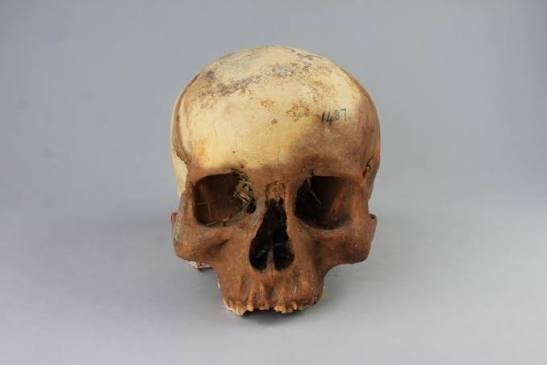
Is There a Federal Ban on Owning a Human Skull?
There is no single federal statute that simply declares every privately possessed human skull illegal. Federal law instead regulates particular categories of remains and particular conduct.
One of the most important federal restrictions concerns Native American human remains. Under 18 U.S.C. § 1170, knowingly selling, purchasing, using for profit, or transporting such remains for sale or profit without the required right of possession can lead to criminal penalties.
NAGPRA also creates repatriation duties for covered museums and federal agencies. Native American remains should never be treated as ordinary anatomical collectibles.
Louisiana Has a Broad Ban on Possession
Louisiana takes one of the clearest restrictive approaches. Its law defines human remains broadly to include the body or parts of a deceased person, including cremated remains.
Unless another law permits it, Louisiana Revised Statutes § 25:954 prohibits possession of human remains and makes trade, disposal, or destruction unlawful. A first violation can bring up to a $5,000 fine, up to one year of imprisonment, or both.
Louisiana also restricts skeletal remains from unmarked burial sites, subject to limited exceptions.
Tennessee Restricts Previously Buried Human Remains
Tennessee law focuses strongly on burial origin. Tennessee Code § 39-17-312 makes it an offense, without legal authority or privilege, to knowingly buy, sell, or offer to buy or sell previously buried human skeletal remains.
The offense is a Class E felony and the remains can be confiscated. Tennessee also restricts importing and exporting human remains, with exceptions for purposes such as education, research, burial, judicial evidence, and authorized law-enforcement training.
An old skull therefore cannot be assumed lawful simply because a seller calls it an antique.
What If the Skull Came From a Grave?
A skull removed from a grave raises much more serious legal issues. States commonly criminalize grave robbing, unauthorized disinterment, mutilation, and receiving unlawfully removed remains.
Washington, for example, treats unauthorized removal from a grave as a felony in specified circumstances and also criminalizes knowingly purchasing or receiving remains that were unlawfully removed.
Can Medical or Educational Skulls Be Legal?
Potentially, but documentation matters. Human skeletal material has historically circulated through medical schools and anatomical teaching collections. A skull with a legitimate documented history may be treated differently from archaeological or grave-derived remains.
Even then, state law controls. Rules on anatomical gifts, medical specimens, and human remains vary, so age alone does not establish legality.
Can You Buy a Human Skull Online?
An online listing does not prove a transaction is legal. Both the seller’s location and the destination state’s law can matter.
Key questions are whether the remains were lawfully obtained, ever buried, potentially Native American or otherwise protected, and legal to possess at the destination. Missing provenance greatly increases legal risk.
What Happens If the Skull Is Illegal?
Consequences can include seizure, confiscation, fines, and criminal charges, especially when grave disturbance, trafficking, or protected Native American remains are involved.
Authorities may require lawful disposition, repatriation, or reburial rather than returning the remains.
The Bottom Line
Owning a human skull is not governed by one nationwide rule. A documented non-Native medical specimen may be permissible in some states, while others prohibit possession or sharply restrict trade. Louisiana is notably strict, Tennessee bars transactions involving previously buried skeletal remains, and federal law restricts trafficking in Native American remains.
Before acquiring human skeletal material, verify its documented origin and the law where it will be kept. A skull’s age, appearance, or availability for sale does not establish legality.