The Joyce Beatty Kennedy Center lawsuit tests who controls a national cultural institution. Representative Joyce Beatty of Ohio sued President Donald Trump and other defendants after the Kennedy Center’s board added Trump’s name to a memorial Congress designated for John F. Kennedy. The dispute has since widened to include voting rights, renovation plans and the board’s obligations under federal law. Beatty has won important rulings, but the case remains active as of October 10, 2026.
How the Kennedy Center Dispute Began
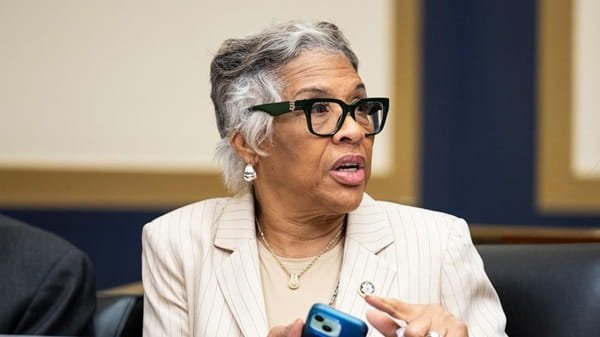
The John F. Kennedy Center for the Performing Arts is more than a theater. Congress designated it a living memorial and assigned management to trustees. In February 2025, Trump reshaped the board and became its chairman. That December, the board added his name to the center’s title. Beatty, an ex officio trustee, objected. She filed suit on December 22, 2025, in the U.S. District Court for the District of Columbia, alleging the board exceeded its authority.
What Joyce Beatty Challenged in Court
Beatty challenged more than the branding. She argued that the board could not disregard Congress’s naming decision, strip ex officio trustees of meaningful voting rights or approve a lengthy shutdown without properly examining its consequences. The proposed closure became especially contentious after Trump announced plans in February 2026 to close the complex for approximately two years for major construction. Beatty argued that trustees must protect the venue’s artistic mission and public memorial.
Why Federal Law Matters
The case turns on provisions of Title 20 of the U.S. Code. Congress named the institution for John F. Kennedy and restricted the installation of additional memorials or memorial-like plaques in public areas, subject to narrow statutory exceptions. Trustees must also operate and maintain the institution. Trustees have management discretion, but cannot rewrite congressional requirements. Changing the established name requires congressional action, not a board vote.
The May 2026 Ruling
On May 29, 2026, U.S. District Judge Christopher R. Cooper ruled in Beatty’s favor on key questions. The court held that the board’s attempted renaming was unlawful without congressional authorization. It ordered the removal of Trump’s name from the building’s façade, official signage and online title, and directed the withdrawal of related trademark applications. The court also found that ex officio trustees could not be categorically denied their voting rights under the board’s revised bylaws. The D.C. Circuit later refused to suspend the renaming order while the defendants pursued an appeal. Those decisions gave Beatty substantial relief, but they did not dispose of every claim.
The Separate Fight Over Closure
The same May ruling temporarily blocked implementation of the board’s March 16 decision to wind down programming and close the center. Judge Cooper concluded, on the preliminary record, that the trustees had failed to undertake an adequately informed review of the closure’s consequences. His order did not prohibit necessary capital repairs or rule out every possible future closure. The center nevertheless announced a closure in September 2026, prompting further litigation over the reasons for the shutdown and whether the applicable court orders had been respected.
September 2026: Another Naming Setback
After the original renaming order, the board adopted a new plan to recognize Trump through a renovation inscription and by calling the grounds ‘President Donald J. Trump Plaza.’ On September 15, Judge Cooper blocked both measures as inconsistent with the existing injunction and federal statute. He declined to block a separate proposed inscription connected to a $100 million endowment because that possibility was not yet imminent. The court required advance notice before any such inscription could be installed. The ruling underscored that different wording cannot necessarily accomplish what a prior injunction forbids.
Latest Developments and Legal Questions
The litigation continued into October. During depositions, Justice Department lawyers invoked presidential communications privilege to prevent a Kennedy Center official from answering certain questions about Trump’s discussions with advisers and officials. That created a fresh dispute over whether executive privilege can apply to communications involving the president’s separate role as board chairman. On October 9, the judge ordered additional financial information to be produced while allowing more time for arguments over privilege. No final resolution of that question had been reported by October 10.
What Happens Next?
Further proceedings could determine whether the closure complies with the board’s fiduciary duties and existing injunctions, how much internal information must be disclosed, and whether the appellate courts uphold the naming decisions. The defendants retain the right to challenge adverse rulings. Beatty, meanwhile, can seek enforcement of orders that remain in effect. It is important to distinguish completed rulings from pending issues: the renaming restrictions are enforceable, while other aspects of the dispute continue through motions, discovery and appeals.
Conclusion
The Joyce Beatty Kennedy Center lawsuit is not merely a dispute over a prominent name on a building. It asks whether the leaders of a congressionally created cultural institution must follow statutory limits even when its board supports a different course. The rulings so far affirm that those limits have real legal force. The remaining proceedings will test how far that principle reaches into the center’s management, finances and planned reconstruction.