Retatrutide has become one of the most closely watched experimental weight-loss drugs in the United States. Developed by Eli Lilly, the drug has generated major interest because of the substantial weight loss reported in clinical studies. At the same time, its popularity has created a growing legal problem: products claiming to contain retatrutide are already being sold online even though the drug has not yet received FDA approval.
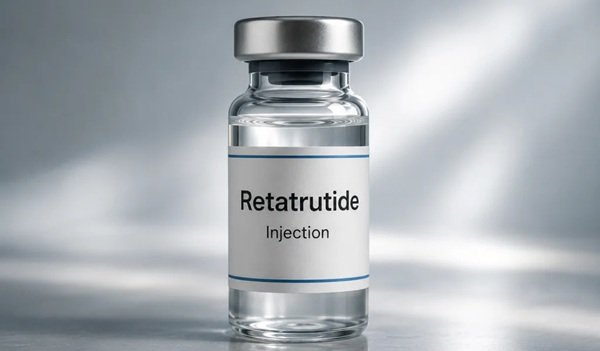
This situation has led to several different types of litigation. Eli Lilly has filed lawsuits against businesses accused of selling unauthorized retatrutide products, while a clinical-trial participant previously sued the company over alleged injuries. Lilly has also been involved in a separate federal regulatory dispute with the FDA over how retatrutide should be classified.
These cases are very different from one another and should not be confused with the broader GLP-1 product-liability litigation involving approved drugs such as Ozempic, Mounjaro and Wegovy.
What Is Retatrutide?
Retatrutide is an investigational drug being developed by Eli Lilly for obesity, type 2 diabetes and related metabolic conditions.
It is sometimes described as a “triple agonist” because it targets three hormone receptors:
- GLP-1
- GIP
- Glucagon
This differs from drugs such as semaglutide, which primarily targets GLP-1, and tirzepatide, which acts on both GLP-1 and GIP receptors.
Retatrutide remains under clinical development and has not received FDA approval for commercial prescription use in the United States.
That means legitimate Lilly-manufactured retatrutide is currently available only through authorized clinical research programs.
Despite this, numerous websites, peptide sellers, pharmacies and wellness businesses have advertised products claiming to contain retatrutide.
This unauthorized market has become one of Eli Lilly’s main legal concerns.
Eli Lilly Files Six Retatrutide Lawsuits in 2026
On August 12, 2026, Eli Lilly announced that it had filed six federal lawsuits against businesses accused of unlawfully selling products represented as retatrutide.
The defendants included peptide companies, a compounding pharmacy and a medical-spa business.
The lawsuits were filed against:
1. Aesthetic Envy Cosmetic Centers LLC
The lawsuit was filed in the U.S. District Court for the Eastern District of California.
Lilly alleges that Aesthetic Envy promoted a product identified as “Triple G” or retatrutide for weight-management purposes.
The company also allegedly used information associated with Lilly’s clinical research when marketing its product.
Lilly argues that this could create the impression that the product being sold by the business is equivalent or comparable to the investigational retatrutide being studied by Lilly.
2. Astra LLC, Doing Business as Astra Peptides
Lilly filed another lawsuit against Astra Peptides in federal court in Texas.
The complaint alleges that the company marketed and sold products represented as retatrutide despite the drug not being approved for commercial human use.
According to Lilly, the company presented certain products as being intended for research while allegedly marketing them in ways suggesting possible human use.
3. Legendary Peptides LLC
Legendary Peptides was also named in one of Lilly’s August 2026 lawsuits.
Lilly alleges that the company sold products represented as retatrutide without FDA approval.
The case is part of Lilly’s broader effort to stop peptide sellers from taking advantage of public interest in experimental weight-loss medicines.
4. Striker Pharmacy LLC
Striker Pharmacy is particularly significant because it is a compounding pharmacy rather than simply an online peptide seller.
Lilly alleges that the pharmacy compounded products represented as containing retatrutide and supplied them to consumers and medical practices.
The lawsuit raises important questions regarding whether an investigational drug such as retatrutide can legally be compounded and sold before FDA approval.
5. Texas Peptides Inc.
Lilly also sued Texas Peptides, alleging that it sold unauthorized products represented as retatrutide.
The company is accused of participating in the growing market for experimental peptides that are promoted outside approved clinical research programs.
6. Lone Star Peptide Co. LLC
Lone Star Peptide was the sixth defendant identified in Lilly’s August enforcement action.
Like the other peptide sellers, it is accused of marketing products that allegedly contain retatrutide despite the drug remaining investigational.
All six cases were filed recently and remain at relatively early stages of litigation. The allegations have therefore not yet been finally established by a court.
Why Eli Lilly Is Targeting Retatrutide Sellers
Lilly’s main argument is straightforward: retatrutide has not been approved by the FDA, so businesses should not be selling it as a treatment for obesity or other medical conditions.
The company is also concerned that consumers may wrongly assume that products purchased from peptide websites or medical spas are the same as the retatrutide being manufactured and studied by Lilly.
There can be major differences in manufacturing standards, ingredients, concentrations, sterility and purity.
A product advertised online as retatrutide is therefore not necessarily Lilly’s investigational drug.
This distinction is particularly important because consumers experiencing adverse effects from an unauthorized product could mistakenly attribute those effects to Lilly’s clinical formulation.
The “Research Use Only” Issue
Some sellers of experimental peptides label their products as being for “research use only” or “not for human consumption.”
Such labels do not automatically protect a seller if the surrounding marketing indicates that the substance is actually intended for human use.
This issue is central to several of Lilly’s lawsuits.
Lilly alleges that certain sellers use research-related terminology while simultaneously promoting products in a way that connects them with weight loss, injections or other human applications.
The legal question may therefore depend not only on what is written on the product label but also on how the product is promoted, sold and understood by consumers.
Retatrutide Compounding Controversy
The lawsuit against Striker Pharmacy highlights another major legal issue: compounding.
Compounding pharmacies can sometimes prepare customized versions of prescription medications under specific federal and state rules.
However, retatrutide presents a different situation because it has not yet been approved as a drug.
The FDA has stated that retatrutide cannot currently be used in compounding under federal law.
This separates retatrutide from approved GLP-1 medications that were temporarily compounded more widely during periods of FDA-recognized drug shortages.
Selling a compounded product represented as retatrutide therefore creates substantially different regulatory concerns.
False Advertising Allegations
Some of Lilly’s complaints also involve allegations of misleading advertising.
In the Aesthetic Envy case, for example, Lilly alleges that the business referenced clinical research associated with Lilly while promoting its own product.
According to Lilly, such marketing could cause consumers to believe that the product being sold has undergone the same testing or has the same safety and effectiveness profile as Lilly’s investigational retatrutide.
Lilly has brought claims under federal law, including allegations involving false advertising under the Lanham Act.
The company is seeking remedies that may include injunctions preventing further sales, removal of misleading advertising, financial damages, disgorgement of profits and legal costs.
Clinical Trial Participant Lawsuit Against Eli Lilly
Not all retatrutide litigation has involved Lilly suing sellers.
A clinical-trial participant previously filed a personal-injury lawsuit against Eli Lilly alleging that she experienced serious health problems while participating in a retatrutide study.
The case was titled Graw v. Eli Lilly and Company.
Patti Jo Graw filed the lawsuit in the U.S. District Court for the Eastern District of Missouri in July 2025.
According to her complaint, she participated in a clinical study involving retatrutide, then identified during development as LY3437943.
She alleged that she experienced severe vomiting, dehydration, low potassium levels, emergency-room visits and hospitalization.
The complaint sought approximately $2.5 million in compensatory damages and $5 million in punitive damages.
Claims included negligence, medical malpractice, lack of informed consent, emotional distress and product-liability allegations.
What Happened in the Graw Lawsuit?
The case did not proceed to trial.
On February 23, 2026, U.S. District Judge Rodney W. Sippel granted Eli Lilly’s motion to dismiss the amended complaint with prejudice.
The court concluded that the plaintiff had failed to adequately state the legal claims required for the lawsuit to proceed.
The dismissal is important because it means the case cannot simply be refiled in the same form in that court.
However, the ruling should not be interpreted as a scientific determination that retatrutide cannot cause side effects.
The court’s decision concerned whether the allegations in that particular lawsuit satisfied the legal requirements necessary to maintain the claims.
Is There a Retatrutide Mass Tort?
As of September 2026, there is no major nationwide retatrutide product-liability mass tort or multidistrict litigation similar to litigation involving some approved GLP-1 medications.
That distinction is important.
Retatrutide has not yet been introduced to the general U.S. prescription market, so legitimate exposure to Lilly’s investigational product has mainly occurred through controlled clinical trials.
The current wave of retatrutide litigation is therefore largely focused on Eli Lilly taking action against businesses selling unauthorized versions rather than large numbers of patients suing Lilly.
That situation could change after FDA approval and widespread commercial use, but there is currently no established mass-injury litigation involving retatrutide.
Eli Lilly’s Separate Lawsuit Against the FDA
Retatrutide is also involved in a separate regulatory lawsuit between Eli Lilly and the U.S. Food and Drug Administration.
This dispute is unrelated to consumer injuries or unauthorized peptide sellers.
Instead, the case concerns how retatrutide should be classified under federal law.
Lilly challenged the FDA’s decision to classify retatrutide as a conventional drug rather than a biological product.
The dispute involves the legal and scientific definition of a protein and whether retatrutide should qualify as a biological product or as a substance analogous to a protein.
In 2025, a federal judge in Indiana partly sided with Lilly.
The court upheld one part of the FDA’s reasoning but concluded that another portion of the agency’s analysis was arbitrary and capricious. That part of the decision was vacated and returned to the FDA for further consideration.
The regulatory dispute later moved to the U.S. Court of Appeals for the Seventh Circuit.
The outcome could affect the regulatory framework surrounding retatrutide and potentially influence exclusivity and competition if the drug eventually reaches the market.
Lilly Expands Enforcement Against Unauthorized Sellers
The six August 2026 lawsuits appear to be part of a much larger enforcement effort.
Lilly has said it has reported hundreds of individuals and businesses to regulators, law-enforcement agencies and professional licensing authorities.
The company has also identified thousands of websites, advertisements, social-media posts and online listings associated with products represented as retatrutide.
The scale of the activity shows how quickly an unauthorized market has developed around the experimental drug.
Demand for weight-loss treatments has encouraged sellers to promote substances linked to medicines that are still undergoing clinical development.
For Lilly, the challenge is not simply protecting a future commercial product. The company is also attempting to prevent consumers from confusing unverified substances with the product being evaluated in its clinical trials.
What Could Happen Next in the Retatrutide Lawsuits?
The six lawsuits against alleged retatrutide sellers are still in their early stages.
Defendants could challenge Lilly’s allegations, seek dismissal, contest jurisdiction or negotiate settlements.
Lilly could also seek preliminary or permanent injunctions preventing certain businesses from continuing to market or distribute products represented as retatrutide.
Additional lawsuits are possible if the company identifies more sellers allegedly promoting the drug for human use.
The FDA may also increase enforcement against companies selling experimental peptides if regulators conclude that the products are being marketed as unapproved medicines.
At the same time, the regulatory dispute between Lilly and the FDA remains significant because it could influence the drug’s legal classification.
Retatrutide itself remains under clinical development, and its eventual FDA approval would substantially change the legal landscape.
For now, the most important point is that the current retatrutide litigation is not primarily a large injury lawsuit campaign against Eli Lilly. Instead, the dominant legal battle involves Lilly attempting to stop companies from selling products under the retatrutide name before the drug has been approved for commercial use.