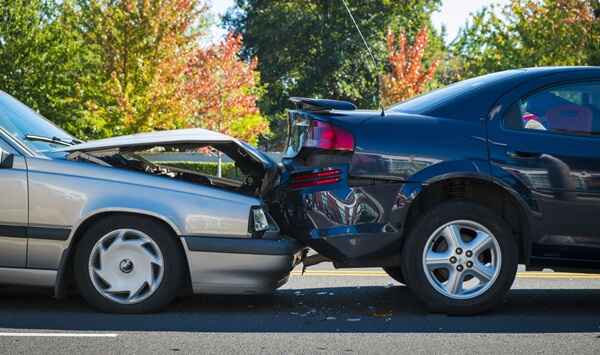
A crash can end in seconds, but the decisions that follow can shape the months. Medical appointments, repair bills, missed work, and calls from insurers can quickly turn a simple question into a difficult one: should you pursue car accident settlement options or take the dispute to court? The answer depends on more than the size of an offer. It also depends on the evidence, the injuries, and what future losses may look like. Knowing how each path works can make that choice easier to understand.
Why Many Cases End in Settlement
Many injury claims do not need a courtroom ending. Negotiations can begin after facts are gathered, treatment is documented, and losses become clearer. Both sides may prefer it because an agreement can avoid trial preparation and expenses.
A settlement also gives the parties more control. In a trial, a judge or jury decides the outcome. In a negotiated agreement, both sides decide whether the terms are acceptable. That can provide certainty.
Still, settlement should not mean rushing. A quick payment can look appealing when medical bills arrive and work has been missed. Some injuries may not be fully understood right away. A decision made too early can leave an injured person paying future costs without enough compensation.
What Goes Into a Fair Settlement
There is no formula for valuing a car accident claim. The amount depends on the facts, injuries, insurance, and losses.
A serious claim may involve more than an emergency room bill. It can include follow-up care, rehabilitation, medication, lost income, reduced earning ability, property damage, and pain and suffering. Medical records, wage statements, photographs, and accident reports can show how the crash affected someone’s life.
The National Highway Traffic Safety Administration tracks police-reported and fatal crashes across the United States. That data helps researchers study crash patterns, while each claim depends on its evidence.
Insurance coverage is another major part of the calculation. The value of a claim may be limited by policy terms or available coverage, especially when several people are injured. Property damage also matters. If a vehicle is badly damaged , the insurer may compare repair costs with its value when deciding whether it is a total loss.
The Benefits of Settling Outside Court
Settlement can reduce the time and uncertainty of litigation while allowing both sides to negotiate terms.
Five common benefits are:
- A negotiated claim may resolve sooner than a case that reaches trial.
- Settlement can reduce some court-related expenses.
- The parties can agree on terms without leaving the decision to a judge or jury.
- Negotiations are generally private, unlike many court proceedings and filings.
- A final agreement provides a known outcome instead of an uncertain verdict.
These benefits matter after a serious crash. An injured person may face medical appointments, work concerns, financial pressure, and added stress.
The Risks of Accepting Too Soon
Settlement is common, but that does not mean every offer deserves acceptance. The first offer from an insurer may not reflect the full value of the claim. Adjusters may be working from limited records before treatment is complete or before the long-term effect of an injury is known.
There is also a tradeoff in certainty. Once a settlement agreement is signed and releases are completed, the injured person generally cannot return later for more money because an injury turned out to be worse than expected.
That makes timing important. Before accepting an offer, review medical records, expected treatment, income losses, insurance coverage, and unpaid bills or liens. The goal is not simply to get money quickly. It is to understand what the payment covers and what rights may be given up.
How Negotiations Usually Work
Negotiations often start with a demand that explains liability, injuries, damages, and supporting evidence. The insurer or opposing party can respond with questions, a counteroffer, or a request for more records.
A strong position usually comes from clear documentation and a realistic explanation of losses. Statements about the accident should stay consistent with police reports, medical records, and other evidence.
Communication matters. Delays can happen when records are missing. Keeping copies of correspondence, bills, photographs, medical information, and employment records can help keep the claim organized.
When a Lawsuit May Be Necessary
Some cases do not settle because the parties disagree about fault, damages, insurance coverage, or the amount that should be paid. A lawsuit may become necessary when negotiations stall.
Filing a lawsuit does not always mean a trial will happen. Many cases continue to settle after litigation begins. The lawsuit can create a formal process for obtaining records, questioning witnesses, and presenting evidence.
The facts control. A minor claim with clear liability may require little formal action. A serious injury claim involving disputed responsibility and future losses may require a deeper review.
Questions to Ask Before Signing
Before agreeing to settle, understand exactly what the agreement covers. A written legal agreement can determine which claims are released and what obligations each party must fulfill. Ask whether future medical treatment is included, bills or liens must be paid, lost wages were considered, and the agreement releases all claims from the crash.
Also ask when payment will come, what deductions apply, and whether tax issues need attention. Written terms matter because a verbal promise does not replace the settlement agreement.
FAQs
Is settling better than going to trial?
There is no universal answer. Settlement offers predictability, while trial lets a judge or jury decide disputed issues. The path depends on the evidence, injuries, damages, and risks involved.
Can I negotiate a car accident settlement?
Yes. Settlement offers and counteroffers can be negotiated. Documentation can show why an offer does not reflect the losses.
Should I accept the first insurance offer?
Not automatically. Review whether it covers medical care, lost income, property damage, pain and suffering, and future needs.
What happens after I accept a settlement?
The parties complete settlement documents and releases, then payment follows. After the release becomes effective, reopening the claim may not be possible.
Final Thoughts
A car accident settlement can bring financial relief without the time and uncertainty of a trial. Still, the convenience of a quick agreement should not outweigh the need to understand the full extent of the losses.
A careful decision starts with the evidence, numbers, coverage, and settlement terms. A settlement is not simply a check. It is an agreement that can close a legal claim, so every term deserves attention. Read every page carefully before signing, especially release language, payment terms and deadlines.