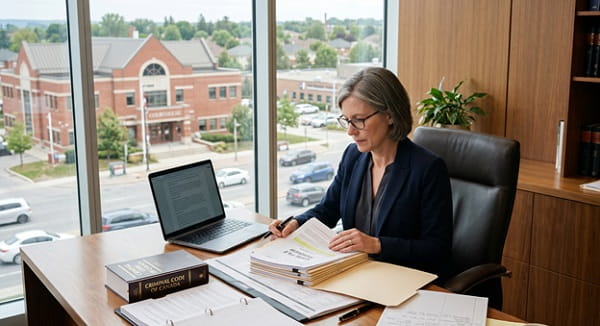
Loveland, Colorado, is a growing community located between Fort Collins and Denver, with residents using local streets and major routes such as U.S. Highway 34 and Interstate 25 for daily travel. Traffic accidents, workplace incidents, and other unexpected events can leave people dealing with injuries and financial pressure. In these situations, strong evidence plays a key role in supporting an injury claim.
Strong evidence can make or break a personal injury case because it helps establish what happened, who was responsible, how the injury occurred, and what losses the victim suffered. Evidence such as medical records, photographs, accident reports, witness statements, video footage, employment records, and expert opinions can give an injury claim credibility.

When someone needs a skilled personal injury lawyer near Loveland, having well-preserved evidence can make it easier to present a clear and persuasive claim.
Medical Records Establish the Nature of the Injury
Medical records are among the most important pieces of evidence in a personal injury case. They document the injury, treatment provided, medications, diagnostic tests, and recommendations from medical professionals.
Prompt medical attention can also help establish a connection between the accident and the injury. If someone waits a long time before seeing a doctor, an insurance company may argue that the injury was unrelated to the incident.
Medical records can also show whether the victim required ongoing treatment. This becomes important when calculating future medical expenses and determining how an injury may affect daily life.
Photographs and Videos Can Show What Happened
Photos can provide valuable information that words alone may not capture. Pictures of vehicle damage, road conditions, property hazards, visible injuries, damaged equipment, or other physical evidence can help establish the circumstances surrounding an accident.
Video footage can be even more useful when available. Security cameras, traffic cameras, business surveillance systems, or legally obtained phone recordings may show what happened before and during an incident. Evidence should be preserved as soon as possible because surveillance footage may eventually be overwritten or deleted.
Witness Statements Can Support Your Version of Events
People who saw an accident can provide important independent information. A witness may explain how a collision occurred, whether a dangerous condition was visible, or what the parties were doing immediately before an injury.
Witness contact information should be collected when possible. Their statements may become especially valuable if the other party disputes responsibility. Independent witnesses can sometimes help resolve disagreements about what actually happened.
Accident Reports Provide Important Details
Police reports and other official incident reports can also support a personal injury claim. These reports may contain information about the location, people involved, statements made at the scene, visible damage, and observations by responding officers.
However, an accident report is not necessarily the only evidence that determines liability. Additional evidence may be needed to establish the complete circumstances of the incident. For example, Colorado Revised Statutes § 13-21-111 addresses comparative negligence. When fault is disputed, evidence showing how each party contributed to an accident can become particularly important.
Employment Records Can Prove Lost Income
An injury can affect more than medical expenses. Someone may miss work, lose overtime opportunities, reduce their hours, or become unable to perform the same job. Pay stubs, tax documents, employment records, schedules, and statements from an employer can help establish lost income.
If the injury affects future earning ability, additional evidence may be necessary to demonstrate the long-term financial impact.
Expert Evidence Can Explain Complicated Issues
Some personal injury cases involve technical questions that ordinary evidence cannot fully explain. Medical experts may discuss the seriousness of an injury and future treatment.
Accident reconstruction specialists may analyze how a collision occurred. Other professionals may address future costs or the impact of an injury on employment. Expert testimony can help clarify complicated issues for insurers, attorneys, and courts.
Evidence Should Be Preserved from the Beginning
Waiting until a claim is disputed before gathering evidence can create unnecessary problems. Photos should be taken when appropriate, medical appointments should be documented, bills and receipts should be saved, and communications with insurers should be handled carefully.
People should also avoid deleting potentially relevant messages, photographs, or other records. A complete evidence file gives the claim a stronger foundation and makes it easier to explain the full impact of the injury.
Key Takeaways
- Medical records help establish the nature and treatment of an injury.
- Photos and videos can provide direct evidence of accident conditions.
- Witnesses may support your account of what happened.
- Police and incident reports can provide important factual information.
- Employment records can document lost income.