Ringing a stranger’s doorbell and running away is commonly called ding dong ditching. The prank has no single legal status across the United States. A brief, harmless incident may not lead to criminal charges, but repeated disturbances, trespassing, threats, or property damage can turn the same behavior into a police matter. Whether ding dong ditching is illegal depends on local ordinances, state criminal laws, and exactly what the person doing the prank does.
Is Ringing a Doorbell and Running Away a Crime?
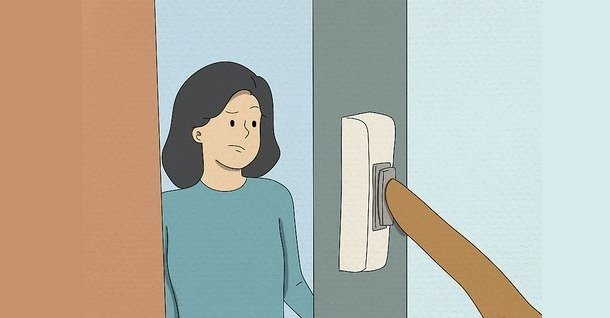
There is no general federal offense called “ding dong ditching.” State laws typically address the underlying conduct instead. A person might violate a disorderly conduct, criminal trespass, harassment, or property-damage law if the facts satisfy that law’s requirements. Some municipal ordinances separately restrict disturbing residents, making unreasonable nighttime noise, or creating public disturbances.
One brief knock at a front door is not automatically criminal trespass in every state. Many homes have an implied invitation for ordinary visitors to approach the front entrance. But that limited permission is not a license to enter a fenced yard, damage a door, return after being told to leave, or repeatedly disturb a household. The details matter, including signs, barriers, prior warnings, and intent.
When Can Ding Dong Ditching Become Harassment?
Repeatedly selecting the same household can make a prank appear targeted rather than accidental. Harassment laws vary widely, but some address repeated conduct intended to alarm or seriously annoy another person. A homeowner’s request to stop is legally significant even where the first incident would have been minor.
Late-night pounding or kicking can also cause reasonable fear that someone is attempting a break-in. Police may investigate the incident under local disturbing-the-peace rules or more serious laws if the people involved disguise themselves, make threats, or appear to carry weapons. The legal focus is the actual conduct and its consequences, not the prank’s informal name.
What If a Door, Camera, or Window Is Damaged?
Physical damage changes the analysis substantially. Kicking a door hard enough to break a frame, knocking a camera loose, or damaging decorations can lead to criminal mischief or vandalism allegations. The property owner may also seek compensation for repair costs through civil proceedings.
The prankster’s intent and age may affect the legal response, but calling an action a joke does not erase damage. Even without a criminal conviction, property owners may have civil claims depending on the circumstances. Parents can sometimes face financial responsibility under state laws addressing damage caused by minors, although liability rules and limits are not uniform.
Can Children or Teenagers Be Charged?
Yes, depending on the jurisdiction and facts. Juvenile cases frequently use procedures distinct from adult criminal court. Police may issue a warning, contact parents, refer a case to juvenile authorities, or pursue charges where conduct is repeated or harmful. It would be misleading to promise that minors face no consequences or that every ringing of a doorbell leads to arrest.
In January 2024, Washington Township police in New Jersey warned that late-night ding dong ditch incidents, including one involving property damage, could produce criminal charges. The announcement illustrates how police assess context rather than treating the phrase as a standalone offense.
What About Videos of Ding Dong Ditching?
Recording the prank for social media does not provide a legal defense. A video can become evidence of who entered property, what was said, and whether damage occurred. Filming may raise further privacy concerns if the camera records people inside a home or captures private conversations in circumstances protected by state law.
A prank that becomes popular online can also encourage escalating behavior. Threats, fake emergencies, and staged break-in appearances are not comparable to an ordinary doorbell ring. They can create safety risks and potentially trigger different offenses.
What Should Residents and Participants Know?
Residents who feel unsafe should avoid dangerous confrontations and contact local law enforcement when appropriate, especially when conduct is repeated or property is damaged. Anyone participating in a prank should respect posted boundaries and stop immediately when asked.
Ding dong ditching is not automatically a crime nationwide, but it is not automatically lawful either. Trespass, harassment, noise, vandalism, and public-safety rules determine the result. The difference between a childish interruption and a criminal case can be repetition, intimidation, damage, or refusal to leave.