Coyotes live surprisingly close to people across much of the United States, from ranchland to suburban neighborhoods. That familiarity can make a young or captive-raised coyote seem like an unusual alternative to a dog. Legally, however, coyotes remain native wildlife, and states regulate them far more strictly than domestic canines.
Owning a coyote can be legal in a few jurisdictions under a wildlife-permit system, but it is prohibited or heavily restricted in many others. The answer depends on the animal’s source and the rules where it will be kept. Rabies-control laws can add another layer even in otherwise permissive states.
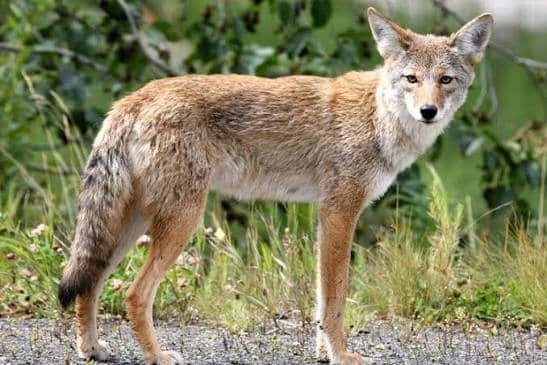
Are Coyotes Considered Wildlife?
Yes. Coyotes, Canis latrans, are native wild canids. State wildlife agencies can regulate their capture, possession, breeding, sale, transport, rehabilitation, and release.
Hand-raising or captive birth does not automatically remove wildlife-permit requirements.
Can You Own a Coyote in Florida?
Florida allows private possession through a permit system. The Florida Fish and Wildlife Conservation Commission classifies coyotes as Class II wildlife, meaning they are considered a real or potential threat to human safety.
A person who wants to keep a coyote as a pet must obtain a Class II personal-use permit. Applicants must be at least 18 and satisfy experience, facility, and caging requirements.
Georgia Does Not Treat Coyotes as Ordinary Pets
Georgia takes a stricter approach. The Georgia Department of Natural Resources says most native wildlife cannot be held without permits or licenses, and those licenses are not issued simply for pet ownership.
Although Georgia allows coyotes to be taken in some circumstances, regulations still prohibit holding live coyotes without the proper permit or license. The right to take a coyote does not create a right to keep it as a pet.
What About Texas?
Texas is more permissive. Texas Parks and Wildlife classifies coyotes as nongame animals and says they may be taken or possessed at any time, subject to applicable rules.
Texas currently has a statewide rabies quarantine that prohibits transporting or selling live coyotes except under applicable exceptions. Lawful possession therefore does not mean a live coyote can be bought, sold, or moved freely.
Can You Keep a Coyote as a Pet in California?
California does not provide an ordinary pet pathway for native wildlife. Its wildlife agency states that non-releasable native wildlife cannot legally be kept as pets.
California can issue permits for limited purposes such as science, education, rehabilitation, or qualified captive placement, but not as general pet permits. A lawful hunting rule does not create a right to keep a live coyote at home.
What About States With Strict Wildlife-Pet Laws?
Massachusetts is also restrictive. Its wildlife agency says wild-animal permits are issued only for defined purposes such as science, education, or commerce, not simply to keep wildlife as pets.
This is why broad internet lists can mislead. States may treat possession, breeding, exhibition, rehabilitation, hunting, and sale differently, while local ordinances can add restrictions.
Can You Take a Wild Coyote Pup and Raise It?
Generally, that is legally riskier than using an authorized captive source. Taking wildlife from the wild can require hunting, trapping, rehabilitation, or other authorization.
Finding a young coyote does not create ownership rights. Injured or orphaned animals may have to be transferred to permitted rehabilitators.
Why Do Rabies Rules Matter?
Coyotes can contract rabies. Public-health authorities treat bites or scratches from potentially rabid wildlife seriously, and some states impose special transport restrictions for rabies-control reasons.
A coyote is not treated exactly like a vaccinated domestic dog. After a bite, quarantine, testing, or other public-health rules may apply.
The Bottom Line
Owning a coyote is not broadly legal across the United States. Florida uses a Class II permit system, Georgia does not issue ordinary pet licenses for native coyotes, California does not allow native wildlife to become household pets, and Massachusetts is similarly restrictive. Texas is more permissive but restricts transport and sale of live coyotes under its rabies quarantine.
Before acquiring a coyote, check state wildlife rules, local exotic-animal ordinances, and public-health requirements. Captive birth, a hunting rule, or legality elsewhere does not automatically make a coyote lawful to keep where you live.