Polygamous marriage is not legally recognized in the United States in 2026. American marriage laws generally permit a person to be legally married to only one spouse at a time. Attempting to enter another marriage while an existing marriage remains valid can constitute bigamy, although the precise offense and penalties depend on the state. This does not mean that every relationship involving more than two consenting adults is automatically a crime. The law draws important distinctions among multiple legal marriages, religious ceremonies, and relationships that do not claim the status of marriage.
What Is the Difference Between Polygamy and Bigamy?
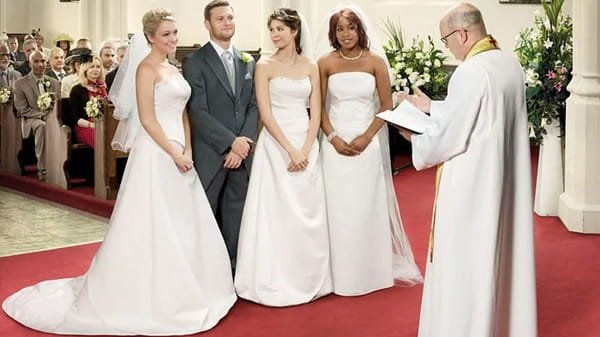
Polygamy describes a marital arrangement involving more than two spouses. Polygyny, in which a man has multiple wives, is one form; polyandry, in which a woman has multiple husbands, is another. Bigamy is the legal term commonly used when someone goes through or purports to enter a marriage while already legally married to another person. A state may prosecute the second act as bigamy even if the attempted marriage has no legal effect.
Polyamory is different. It describes consensual romantic relationships involving multiple people, without necessarily involving marriage. Consenting adults who date or live together do not ordinarily become bigamists merely because their relationship is nonexclusive. Other laws, including rules concerning coercion, minors, domestic violence, or fraud, still apply.
Why Multiple Marriages Are Not Recognized
Marriage is a state-regulated legal status, not simply an agreement between adults. It determines who may claim spousal inheritance, file certain taxes, receive survivors’ benefits, make medical decisions, and seek spousal support. State marriage-license systems generally require that neither applicant have an undissolved existing marriage. A second marriage entered before divorce or a first spouse’s death will ordinarily be invalid.
Federal law also assumes a two-person marriage. The Respect for Marriage Act, signed on December 13, 2022, requires recognition of qualifying marriages between two individuals. It expressly states that it does not require or authorize federal recognition of marriages involving more than two people. The Act protects recognition of same-sex and interracial marriages; it did not create a right to plural marriage.
What Makes Utah Different?
Utah is frequently cited as an exception, but its law is more limited than headlines suggest. Utah Code Section 76-7-101, as amended and effective in 2025, generally treats ordinary bigamy as an infraction rather than a serious criminal offense. It still defines bigamy as purporting to marry another person while knowing, or reasonably being expected to know, that one party is already married.
Utah’s statute also reserves substantial criminal penalties for aggravated circumstances. Inducing bigamy through threats, coercion, or fraud can constitute a felony. Certain serious offenses committed in connection with bigamous cohabitation may also trigger felony treatment. Reducing the punishment for some conduct is not equivalent to issuing legally valid marriage licenses to three spouses. Utah continues to recognize only one legal marriage at a time.
Does Religious Freedom Permit Plural Marriage?
The First Amendment protects religious belief and many forms of religious practice, but it does not automatically exempt conduct from otherwise valid marriage laws. In Reynolds v. United States (1879), the Supreme Court rejected a religious-freedom defense to a federal anti-bigamy prosecution. Modern constitutional cases require careful analysis of the particular law and claim, yet there is no general Supreme Court ruling recognizing a constitutional right to marry multiple people.
A religious or spiritual plural ceremony may have meaning to its participants. That meaning does not, by itself, create a second civil marriage. Similarly, holding a ceremony without submitting a license does not guarantee that participants avoid a state law addressing a purported marriage.
What Are the Legal Risks?
Someone who conceals an existing marriage when applying for another marriage license may face criminal exposure, allegations of fraud, and disputes over the status of the later relationship. Inheritance, insurance coverage, property division, and child-support questions can become complicated when an unrecognized partner is assumed to have spousal rights. A valid will, beneficiary designation, cohabitation agreement, or power of attorney may address some practical concerns, but those documents cannot transform several partners into legally married spouses.
The place where a ceremony occurs also matters. Marriages celebrated abroad are not automatically recognized if they conflict with the receiving jurisdiction’s marriage rules. Immigration applications involving an additional spouse raise particularly serious issues because federal immigration law does not treat polygamous unions like ordinary recognized marriages.
Can the Law Change?
State legislatures can modify criminal penalties, and courts can consider challenges involving intimate relationships. Neither development should be confused with legalization of plural civil marriage. As of November 2026, no U.S. state generally issues marriage licenses recognizing three or more simultaneous spouses.
The answer is therefore straightforward: polygamous marriages are not legally recognized in the United States. Whether a particular household or religious arrangement violates criminal law depends on what its members actually do, how the relevant state defines bigamy, and whether aggravating circumstances exist. A family-law attorney can assess specific rights and risks under the applicable state’s law.