Railroad tracks sometimes look like convenient shortcuts, especially when they run beside neighborhoods, parks, or roads. In the United States, however, walking along active railroad tracks or crossing them outside authorized locations is generally illegal trespassing and can be extremely dangerous. The fact that a railroad right-of-way appears open, lacks fencing, or has no train in sight does not mean pedestrians have permission to enter it.
Why Is Walking on Railroad Tracks Illegal?
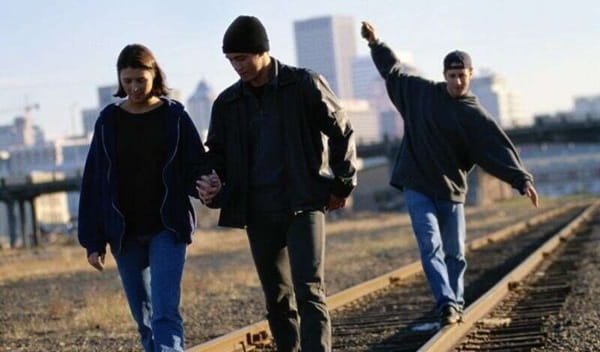
Railroad corridors are operational transportation property. Many rights-of-way are privately owned, while others are subject to public or government arrangements that still restrict public access. Federal Railroad Administration guidance states that entering private railroad property anywhere other than a designated pedestrian or roadway crossing is illegal.
Trespass charges generally arise under state or local law, which means the offense name and penalty vary by location. Other laws may apply if someone blocks a train, damages equipment, interferes with railroad operations, or disregards warnings from law enforcement. There is no single nationwide ticket amount for walking on train tracks.
Is It Legal to Cross Tracks at a Railroad Crossing?
Authorized crossings are different from unauthorized shortcuts. A pedestrian may generally use a designated public pedestrian or road crossing when it is open and applicable signals and laws are obeyed. Warning lights, bells, gates, markings, and signs must be followed. Crossing around lowered gates or entering a closed crossing may violate additional traffic or railway rules.
A crossing intended for roadway traffic or pedestrians is not a license to walk down the rails once the crossing has been passed. Private farm crossings, maintenance paths, and emergency-access routes may have restrictions that members of the public cannot ignore.
What If the Tracks Look Abandoned?
Rusty rails and overgrown vegetation are not reliable proof that a line has been legally abandoned or opened to the public. Freight and maintenance trains may operate infrequently. A railroad corridor can remain private property even if train service has ceased.
Some former rail corridors have been converted into authorized recreational trails. A marked rail trail is different from walking on an active or restricted right-of-way. Before using an unfamiliar corridor, pedestrians should look for official trail designation and public access information rather than assuming that visible disuse grants permission.
Can Someone Be Arrested for Railroad Trespassing?
Yes, depending on the jurisdiction and conduct. An officer may issue a citation or pursue charges under a state criminal-trespass statute. A person who ignores a warning, enters restricted facilities, or interferes with operations may face additional consequences. Penalties should be checked under the relevant state’s law rather than guessed from a general internet answer.
Liability questions may arise if a person is injured on railroad property. A trespasser’s legal position can differ substantially from that of someone using an authorized crossing. Civil responsibility depends on state law, the property conditions, and the behavior of everyone involved.
Why Are Railroad Tracks Especially Dangerous?
Trains cannot stop quickly, and their width may extend beyond the visible rails. A person listening to music, taking photographs, or walking near a curve may not detect an approaching train in time. Multiple tracks create another risk: a second train can approach after the first one passes.
The Federal Railroad Administration identifies trespassing as a major cause of rail-related deaths in the United States. The safety risk does not disappear because a person is familiar with the route or has walked there before. Bridges, tunnels, and narrow embankments are especially hazardous because they offer little room to escape.
Are Photoshoots or Recreational Walks Allowed?
Permission must come from the railroad or lawful property operator, and even that permission may be subject to strict safety conditions. Photographers should use public sidewalks, lawful overlooks, or authorized crossings rather than staging pictures on the rails. An online photo of someone standing on tracks does not establish that the location is safe or legal.
Walking along tracks is generally unlawful unless the location has been specifically opened to pedestrians. Cross only where authorized, obey railroad signals, and use public pathways for recreation or photography. Those rules protect both legal rights and personal safety.