Drivers entering New Jersey from other states may be surprised when an attendant approaches their vehicle at the gas pump. In New Jersey, that service is not simply a local custom. State law prohibits ordinary customers from dispensing gasoline at retail stations, and the station must use properly trained attendants. As of 2026, a driver should wait for an attendant rather than begin fueling their own car, even if the pump looks identical to self-service equipment used elsewhere.
Which New Jersey Law Bans Self-Service Gas?
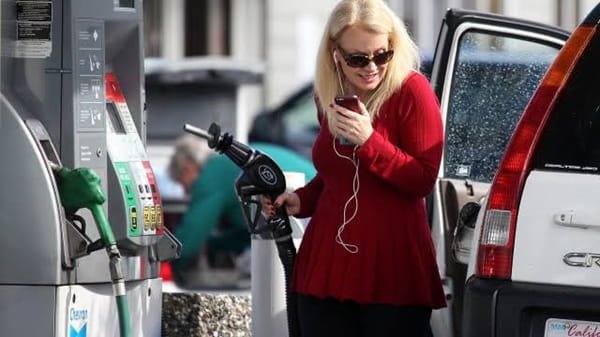
The Retail Gasoline Dispensing Safety Act, N.J.S.A. 34:3A-4 through 34:3A-11, governs retail fuel dispensing. Section 34:3A-6 prohibits attendants from allowing anyone who is not an attendant to dispense fuel into a motor vehicle or an approved container. Section 34:3A-7 requires attendants to receive training and demonstrate familiarity with safe procedures. The Department of Labor’s regulations appear in N.J.A.C. 12:196.
Those rules require a public gasoline station to have an attendant available whenever it is open. Only an attendant may pump fuel into vehicle tanks or portable containers. The person handling the nozzle must follow restrictions on smoking, ignition sources, and fueling a vehicle with its engine running.
Why Does New Jersey Have This Restriction?
The statute identifies fire hazards and the need for station operators to maintain control over fuel dispensing. Lawmakers expressed concern that self-service customers might be harder to supervise and might not consistently follow safety procedures. The law therefore places responsibility for operating the pumps on workers who receive instruction and practical experience.
People often debate whether mandatory attendants make fueling safer, increase employment, or slow service. Those are policy questions, but they do not change the current legal requirement. A customer cannot opt out simply because they have pumped gas safely in other states for years.
Can Drivers Be Fined for Pumping Their Own Gas?
Violations of the Act can result in civil administrative penalties. The statute sets a first-offense range of $50 to $250 and allows penalties of up to $500 for later offenses. It also treats each day of certain station violations as a separate violation by the retail dealer.
The law is principally enforced through duties imposed on the station and its attendants. It should not be described as an automatic criminal prosecution or a guaranteed personal fine whenever a driver touches a nozzle. The exact enforcement question depends on the conduct, the applicable provision, and the circumstances. Station employees are expected to prevent unauthorized fueling.
What About Motorcycles, Gas Cans, and Other Vehicles?
The rules apply to dispensing retail fuel into motor vehicles and portable containers, not just passenger cars. For motorcycles, the regulations direct attendants to require the rider to dismount while gasoline is dispensed. That requirement is different from an exception allowing the rider to operate the pump; the attendant remains responsible for dispensing fuel.
Fuel placed into a portable container must also meet the applicable container requirements. A person should not assume that a gas can can be filled personally simply because it is outside a car. The official regulations contain special provisions concerning certain operations, such as marine service stations and aircraft fueling, but those exceptions do not turn an ordinary roadside gas station into a self-service location.
How Should Drivers Handle Gas Station Visits?
A motorist should park beside a pump, shut off the engine, and tell the attendant the grade and amount of fuel requested. The attendant handles the nozzle and pumping. Payment procedures vary by station, and card payment does not make self-service fueling legal. If an attendant is temporarily occupied, the correct response is to wait rather than operate the pump.
New Jersey’s rule is unusually strict compared with the practice in most states, but the legal answer is uncomplicated. At a regular New Jersey retail gasoline station, customers must leave fuel dispensing to an attendant. The state’s current law and regulations—not the appearance of the pump or a driver’s preference—control the process.