Yes. Alabama recognizes common law marriage but only for relationships that were legally formed before January 1, 2017. The state no longer allows new common law marriages to be created. That single date is the key to understanding how the law works today.
Many people still assume that living together for a long time automatically creates a marriage in Alabama. That belief causes serious legal confusion, especially during breakups, deaths, or inheritance disputes. This article explains what common law marriage means in Alabama, what changed in 2017, and how the law applies today.
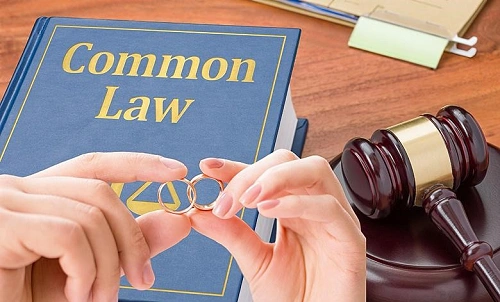
What Is Common Law Marriage?
A common law marriage is a legally recognized marriage formed without a wedding ceremony or marriage license. Instead of paperwork, the relationship is judged by the couple’s behavior, intent, and public presentation.
When valid, a common law marriage carries the same legal weight as a traditional marriage. That includes divorce requirements, property division, spousal support, inheritance rights, and survivor benefits.
However, not all states recognize common law marriage, and many that once did have abolished it.
The 2017 Law Change in Alabama
Alabama officially abolished the formation of new common law marriages effective January 1, 2017.
This means two important things:
- Common law marriages formed before January 1, 2017 can still be legally valid today.
- It is impossible to form a new common law marriage in Alabama after that date.
Living together, sharing bills, or calling each other spouses after 2017 does not create a marriage under Alabama law.
The change was made to reduce legal disputes and uncertainty, especially in probate and family law cases.
Requirements for a Valid Common Law Marriage (Before 2017)
Before the law changed, Alabama courts required all of the following elements to be present:
1. Legal Capacity to Marry
Both partners had to be legally eligible to marry. This means:
- Both were of legal age
- Neither was married to someone else
- Both were mentally competent
If any of these were missing, a common law marriage could not exist.
2. Mutual Intent to Be Married
Both people had to intend to be married — not someday, but at that time.
Casual cohabitation or a long-term relationship alone was not enough.
3. Public Recognition as a Married Couple
The couple had to hold themselves out to the public as husband and wife. Courts looked at actions such as:
- Using the same last name
- Filing joint tax returns
- Referring to each other as spouses
- Signing documents as a married couple
There was no minimum time requirement. A couple could live together for decades and not be married, or form a valid common law marriage in a much shorter period if all elements were met.
How Courts Decide If a Common Law Marriage Existed
If a dispute arises, the person claiming the marriage must prove it. Alabama courts require clear and convincing evidence, which is a high legal standard.
Judges may consider:
- Financial records
- Joint property ownership
- Testimony from family and friends
- Insurance policies or employment records listing a spouse
Courts closely scrutinize these cases because recognizing a marriage affects property rights, inheritance, and divorce obligations.
Legal Consequences of a Valid Common Law Marriage
If a common law marriage is proven valid, it is treated exactly the same as a ceremonial marriage.
That means:
- The couple must go through a formal divorce to separate
- Property acquired during the marriage may be divided
- One spouse may owe alimony
- A surviving spouse may inherit under intestacy laws
- Spousal benefits and protections apply
There is no such thing as a “partial” marriage under Alabama law.
What About Couples Living Together Today?
If you began living together after January 1, 2017, you are not married under common law in Alabama — no matter how long you’ve lived together or how committed the relationship feels.
This often surprises people during:
- Breakups
- Death of a partner
- Property disputes
- Benefit claims
Without a legal marriage, partners generally have no automatic rights to property, inheritance, or support.
Some couples choose to protect themselves through cohabitation agreements or estate planning, but those tools do not create a marriage.
Common Misunderstandings
1. Myth: Living together for seven years makes you married
2. Fact: Alabama never had a time-based rule
3. Myth: Calling each other husband and wife is enough
4. Fact: Intent and public conduct must meet strict legal standards
5. Myth: Common law marriage still forms automatically
6. Fact: It cannot form at all after 2017
Final Takeaway
Alabama does recognize common law marriages but only those that were fully established before January 1, 2017. Since that date, the door is closed.
If someone claims a common law marriage today, the law demands solid proof that the relationship met all legal requirements before the cutoff. Otherwise, cohabitation alone carries no marital rights.
Because these cases can affect property, finances, and family rights in major ways, anyone unsure about their legal status should speak with a qualified Alabama family law attorney before making assumptions that could prove costly.