No, Massachusetts does not recognize common law marriage. Couples cannot become legally married in Massachusetts simply by living together, no matter how long the relationship lasts or how much it looks like a traditional marriage.
This is a common point of confusion, especially in long-term relationships where partners share homes, finances, and family life. Massachusetts law is very clear on this issue. Below is a complete explanation of how marriage works in the state, why common law marriage does not exist here, and what unmarried couples should understand to avoid legal problems.
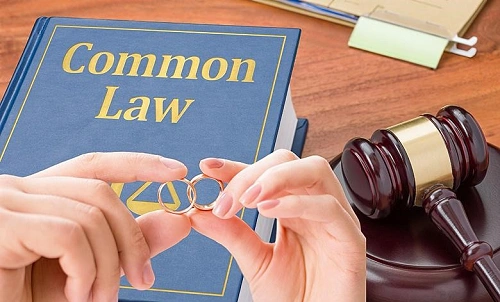
How Marriage Is Defined in Massachusetts
Massachusetts follows a formal statutory framework for marriage. A relationship is legally recognized as a marriage only when the requirements set by state law are met.
To be legally married in Massachusetts, a couple must:
- Obtain a valid marriage license
- Meet eligibility requirements under state law
- Have the marriage properly solemnized by an authorized official
If these steps are not completed, the relationship is not considered a marriage, regardless of how committed or long-standing it may be.
Massachusetts has never allowed marriages to form automatically through cohabitation or conduct alone.
How Common Law Marriage Is Viewed in Massachusetts
Common law marriage is the idea that a couple’s shared life, mutual commitment, and public behavior can create a legal marriage without formal state approval. In states that recognize it, courts may later confirm that a marriage existed based on how the couple lived and identified themselves.
Massachusetts takes a different approach. The state treats marriage as a legal status that begins with a clear, intentional act, not something that evolves quietly over time. No matter how stable or marriage-like a relationship appears, Massachusetts law does not convert it into a marriage without following the legal process.
In short, commitment and marriage are not the same thing under Massachusetts law.
Why Massachusetts Does Not Recognize Common Law Marriage
Massachusetts requires formal marriage procedures to promote certainty and fairness.
By doing so, the state avoids:
- Disputes over whether a marriage ever existed
- Conflicts over property ownership and debt
- Unclear claims for spousal support
- Complicated inheritance and probate disputes
Without a license and ceremony, courts would be forced to reconstruct personal relationships after breakups or deaths, often relying on conflicting testimony. Massachusetts law avoids that uncertainty by requiring clear legal proof of marriage from the beginning.
Common Misunderstandings About Marriage in Massachusetts
Many people rely on assumptions that are legally incorrect.
1. Living together for many years: Time alone does not create a marriage
2. Calling each other husband or wife: Social labels do not establish legal status
3. Sharing finances or buying property together: Financial integration does not equal marriage
4. Raising children together: Parenthood does not transform a relationship into a marriage
Even if friends, family, or the community view a couple as married, Massachusetts law will not—unless the legal requirements were met.
What Happens When Unmarried Couples Separate?
Because common law marriage does not exist in Massachusetts, the end of an unmarried relationship is not a divorce.
Property Ownership
Massachusetts marital property laws apply only to legally married spouses. For unmarried partners:
- Property generally belongs to whoever owns it or paid for it
- Jointly owned property is divided based on ownership interests
- There is no automatic equal division
No Right to Spousal Support
Alimony is available only after a legal marriage. Unmarried partners generally cannot claim spousal support after separation.
Children and Parental Rights
Child custody and child support are handled separately. Parental rights and responsibilities exist regardless of marital status.
Inheritance and the Death of a Partner
This is where misunderstandings often cause the greatest harm.
If one partner dies without a will:
- The surviving unmarried partner does not automatically inherit
- Assets pass to legal heirs such as children or blood relatives
Long-term cohabitation provides no inheritance protection in Massachusetts without proper estate planning.
Recognition of Out-of-State Common Law Marriages
Massachusetts will recognize a common law marriage if it was validly formed in another state that allows such marriages.
Important limits apply:
- The marriage must meet the legal requirements of the state where it was created
- Simply living together in Massachusetts does not create or validate a common law marriage
This commonly affects couples who move to Massachusetts from states like Colorado, Kansas, or Iowa.
Legal Alternatives for Unmarried Couples in Massachusetts
Since common law marriage is not an option, planning is essential for couples who want legal protection.
Cohabitation Agreements
These agreements can clearly define:
- Property ownership
- Financial responsibilities
- What happens if the relationship ends
Massachusetts courts generally enforce clear, voluntary agreements.
Estate Planning
Unmarried couples should strongly consider:
- Wills
- Beneficiary designations
- Powers of attorney
Without these documents, a surviving partner may have little or no legal standing.
Why This Still Matters Today
Many legal disputes arise because couples assume Massachusetts law treats long-term relationships as marriages. It does not.
That assumption can lead to:
- Loss of property
- No inheritance rights
- No financial protection after separation
Massachusetts law does not evaluate emotional commitment—it enforces legal status.
Final Takeaway
There is no common law marriage in Massachusetts.
Living together, sharing finances, raising children, or presenting yourselves as spouses does not create a legal marriage under Massachusetts law. Without a marriage license and proper legal steps, couples remain unmarried—regardless of how long the relationship lasts.
Massachusetts may recognize a valid common law marriage formed in another state, but it does not allow new ones to form within its borders.