CeraVe, the skincare brand owned by L’Oréal, is facing several U.S. class-action lawsuits involving two very different issues. The largest group of cases concerns allegations that certain CeraVe acne products containing benzoyl peroxide can form benzene, a known carcinogen. A newer 2026 lawsuit separately accuses L’Oréal of charging more for CeraVe Baby products that are allegedly substantially similar to standard CeraVe products.
The cases remain unresolved. No court has ruled that CeraVe products caused cancer, and no nationwide CeraVe settlement has been approved as of September 2026.
CeraVe Benzene Class-Action Lawsuits
The main litigation began in 2024 after independent laboratory Valisure reported testing benzoyl peroxide acne treatments and finding that the ingredient could break down and form benzene, particularly under elevated temperatures.
Several consumers then sued L’Oréal over CeraVe benzoyl peroxide products.
The products repeatedly identified in the lawsuits include:
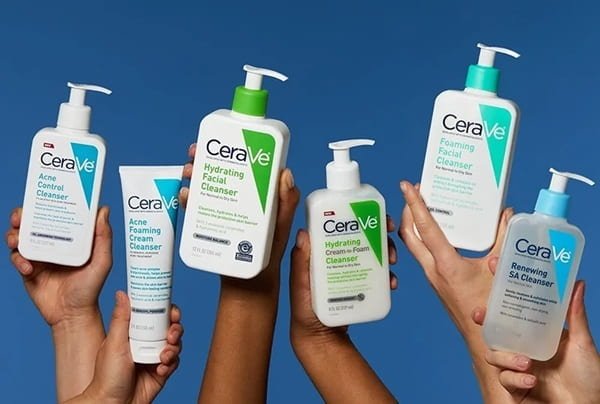
- CeraVe Acne Foaming Cream Cleanser containing 4% benzoyl peroxide
- CeraVe Acne Foaming Cream Wash containing 10% benzoyl peroxide
Plaintiffs allege that consumers were not adequately warned that benzoyl peroxide could degrade and create benzene. They argue that they paid for products they would not have purchased, or would have paid less for, if the alleged contamination risk had been disclosed.
These lawsuits primarily seek economic damages for purchasers rather than compensation for people diagnosed with cancer.
Six Major Cases Were Initially Filed
Six related lawsuits became the core of the litigation:
- Snow v. L’Oréal USA
- Painter v. L’Oréal USA
- Grossenbacher v. L’Oréal USA
- Noakes v. L’Oréal USA
- Abednego v. L’Oréal USA
- O’Dea v. L’Oréal USA
The plaintiffs initially sought to have the cases formally centralized as a federal multidistrict litigation, or MDL.
In February 2025, the U.S. Judicial Panel on Multidistrict Litigation refused to create an MDL. The panel noted that several of the cases were already before the same judge or could be transferred to one district through ordinary venue procedures.
That did not end the litigation.
Cases Consolidated in New York
During 2025, the cases were transferred or brought together in the U.S. District Court for the Southern District of New York.
On May 28, 2025, Judge Analisa Torres formally consolidated six related actions under the title:
In re L’Oréal Benzoyl Peroxide Products Litigation, Case No. 24 Civ. 2735.
A later related action was also consolidated into the proceeding.
The consolidated complaint includes consumer-protection, false-advertising and warranty-related claims arising from the alleged benzene issue.
L’Oréal has denied liability and has sought dismissal of the claims.
By early 2026, briefing on L’Oréal’s motion to dismiss the second amended consolidated complaint had been completed. No final merits ruling or settlement resolving the CeraVe litigation had been publicly identified as of September 2026.
FDA Testing Produced Different Results
The FDA conducted its own testing after concerns were raised about benzene in benzoyl peroxide acne products.
In March 2025, the agency announced that it had tested 95 benzoyl peroxide acne products.
The FDA said more than 90% had either undetectable or extremely low benzene levels. Only six tested products were identified with elevated levels requiring voluntary retail recalls.
Importantly, CeraVe products were not listed among the products recalled by the FDA in that announcement.
One L’Oréal-owned product, La Roche-Posay Effaclar Duo Dual Action Acne Treatment, was included in the recall, but it is a separate brand from CeraVe.
The FDA also stated that its results showed fewer contaminated products than earlier third-party testing had suggested and warned that unvalidated testing methods can produce misleadingly high results.
This FDA evidence may become important as L’Oréal challenges the plaintiffs’ allegations.
Are the Lawsuits Claiming CeraVe Causes Cancer?
The current major CeraVe benzene lawsuits should not be described as established cancer-injury cases.
The complaints discuss benzene’s known association with cancers such as leukemia and other blood disorders, but the consolidated consumer cases largely seek reimbursement and damages based on alleged deceptive marketing and economic loss.
There has been no court finding that using CeraVe acne products caused an individual plaintiff to develop cancer.
That distinction is important because online reports sometimes describe the litigation simply as a “CeraVe cancer lawsuit,” which can give the wrong impression.
New CeraVe Baby Products Lawsuit
A separate class action was filed on July 9, 2026 in the U.S. District Court for the Southern District of California.
The case, Raymundo v. L’Oréal USA S/D, Inc., Case No. 3:26-cv-03951, concerns CeraVe Baby skincare products.
Plaintiff Monica Raymundo alleges that CeraVe markets products such as:
- CeraVe Baby Healing Ointment
- CeraVe Baby Eczema Cream
as being specially developed for babies even though they are allegedly materially similar to cheaper standard CeraVe products.
The complaint argues that baby imagery, packaging and references to pediatric dermatologists encourage consumers to believe they are purchasing a formulation specifically designed for infant skin.
L’Oréal has not been found liable, and the case remains at an early stage.
Where the CeraVe Litigation Stands
As of September 2026, CeraVe faces two main categories of consumer litigation.
The older and larger group concerns alleged benzene formation in benzoyl peroxide acne treatments. Those cases have been consolidated in New York and remain contested.
The newer California case concerns allegations that CeraVe Baby products are marketed as specially formulated even though they are allegedly substantially similar to standard products.
Neither dispute has produced a final judgment establishing liability against L’Oréal. The most important next development in the benzene litigation will be the federal court’s treatment of L’Oréal’s dismissal arguments and whether the plaintiffs are eventually allowed to pursue their claims on behalf of broader consumer classes.