Getting arrested for a narcotics offense can turn your entire life upside down in an instant. If you find yourself in this situation, reaching out to an experienced Colorado Springs drug crime attorney is the most critical step you can take to protect your future.
Understanding the Legal Landscape in El Paso County
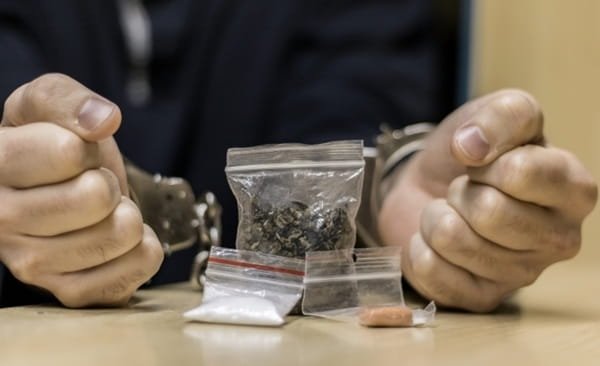
Colorado Springs is a beautiful city known for Olympic training centers, military bases, and the stunning backdrop of Garden of the Gods. It is the second largest city in the state, housing a fast growing population within El Paso County. Because of its large size and geographic position along major transportation routes, local law enforcement agencies monitor drug activity very closely. The Colorado Springs Police Department and the El Paso County Sheriff Office work together to strictly enforce state laws regarding controlled substances. If you are arrested within city limits, your case will likely go through the Fourth Judicial District Court located right downtown.
People often think that Colorado is completely relaxed about all substances because recreational marijuana became legal for adults over a decade ago. This is a dangerous misunderstanding that gets many residents and tourists into deep trouble. While you can legally purchase and consume cannabis within strict state limits, other controlled substances are treated with severe penalties. Local prosecutors are often aggressive when building cases, especially when allegations involve manufacturing, distribution, or possession with intent to sell.
The state uses a specific classification system to group different types of substances into categories called schedules. These groups are organized based on how dangerous a substance is and whether it has any accepted medical use. Schedule I includes items like heroin and hallucinogens, which the state views as highly addictive and lacking medical purpose. Schedule II covers substances like methamphetamine, cocaine, and prescription opioids like oxycodone. As you move down to Schedule III, IV, and V, the perceived risk decreases, but possessing any of them without a valid prescription remains a serious criminal offense.
The Reality of Drug Misdemeanors and Felonies
When you face a charge in court, the classification of the offense dictates the severity of the potential consequences. The state separates these into petty offenses, misdemeanors, and felonies. A petty offense might involve public consumption of marijuana or possession of drug paraphernalia, carrying a small financial penalty. However, most possession cases involving harder substances quickly escalate to misdemeanors or felonies.
A level one drug misdemeanor can result in up to eighteen months in jail and substantial fines. If the state upgrades the charge to a felony due to the quantity of the substance or suspected sales activity, the stakes become much higher. Drug felonies are ranked from level four up to level one. A level four drug felony can send a person to prison for a year or more. A level one drug felony is reserved for major distribution operations and carries a mandatory minimum prison sentence of eight years, with a maximum potential sentence of thirty two years.
The legal system changes frequently, and state lawmakers often update sentencing guidelines. Staying informed about your rights is essential when dealing with these complex laws. You can check the official webpage of the Colorado General Assembly to read about recent legislative changes regarding criminal penalties. Knowing how the law classifies your specific situation can help you understand what you are up against.
Collateral Consequences That Last a Lifetime
The immediate threat of jail or prison is terrifying, but the long term consequences of a conviction can be just as damaging to your everyday life. These are known as collateral consequences, meaning they are secondary effects that follow you long after your court case concludes. A permanent criminal record changes how society views you and limits your opportunities.
Finding a job becomes significantly more difficult with a felony or misdemeanor on your record. Many employers run background checks and automatically disqualify applicants with history of substance offenses. This is especially true for careers in healthcare, education, government, and transportation. If you hold a professional license, a conviction could cause the state board to revoke or suspend your credentials, ending a career you spent years building.
Securing housing presents another major obstacle. Landlords routinely screen potential tenants, and a history of manufacturing or distribution can make it nearly impossible to get approved for an apartment. Furthermore, a conviction can disqualify you from receiving federal financial aid, making it much harder to attend college or vocational schools. Your personal relationships can also suffer, as criminal records are often used against parents during heated child custody disputes in family court.
Building a Strong Defense Strategy
An arrest does not guarantee a conviction, and there are many ways to challenge the evidence brought by the prosecution. A knowledgeable lawyer will look closely at every single detail of your interaction with law enforcement to see if your constitutional rights were violated.
One common defense strategy involves analyzing the legality of the search and seizure. The Fourth Amendment protects citizens from unreasonable searches by police officers. If law enforcement searched your vehicle, your home, or your backpack without a valid warrant, probable cause, or your explicit consent, that evidence might be thrown out. If the judge decides the police obtained the evidence illegally, the prosecutor may have no choice but to dismiss the charges entirely.
Another avenue is challenging the concept of possession itself. The prosecutor must prove beyond a reasonable doubt that you knew the substance was present and that you had physical control over it. If you were riding in a car with multiple passengers and police found a substance in a shared area, it can be difficult for the state to prove the item belonged to you specifically. This is known as proximity, and simply being near a substance is not enough to secure a conviction.
Navigating Options for Rehabilitation and Diversion
The local court system recognizes that substance abuse is often a underlying factor in criminal behavior. In some situations, the court may offer alternative pathways that focus on treatment rather than pure punishment. This is especially true for first time offenders or individuals facing simple possession charges.
El Paso County operates specialized programs, such as adult drug courts, which provide structured supervision, counseling, and regular testing. Successfully completing a diversion program can sometimes lead to a dismissal of your charges or a significantly reduced sentence. These programs require a massive commitment, but they offer a chance to avoid prison time while addressing personal challenges.
Navigating these options requires a deep understanding of local court procedures and strong relationships within the legal community. If you want to explore how the federal government views addiction resources and national policy frameworks, you can visit the Substance Abuse and Mental Health Services Administration for detailed insights. Knowing what programs exist can help you advocate for a resolution that protects your freedom and your health.
Why Time is of the Essence
The moments immediately following an arrest are critical for your case. The prosecution begins building their file right away, and waiting too long to secure legal representation gives them a significant head start. An attorney can intervene early, sometimes even before formal charges are filed, to negotiate with the district attorney.
When you have a dedicated professional on your side, you gain someone who can interview witnesses, preserve video footage from police body cameras, and gather evidence supporting your innocence. They can also represent you during bail hearings to ensure you can return home to your family while your case moves through the court system.
Facing the judicial system alone is overwhelming, but you do not have to do it. Taking fast action and speaking with a legal professional who knows the local courts will give you the best possible chance at a favorable outcome. Protect your rights, protect your future, and ensure your voice is heard in the courtroom.