Parking across your own driveway can seem harmless. You are not blocking a neighbor, and the driveway serves your property. The legal complication is that the curb, street, sidewalk, and driveway apron may sit partly or entirely in the public right-of-way. Local parking laws can therefore apply even when the driveway leads only to your home.
There is no single U.S. rule giving every homeowner the right to block their own driveway. Some jurisdictions prohibit parking in front of any public or private driveway. Others create a narrow exception for the owner or tenant. The answer depends on state traffic law and, often, city or county rules.
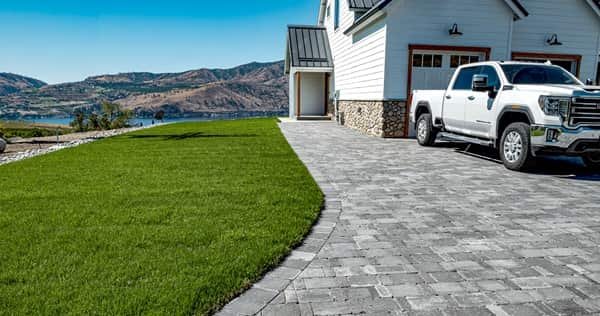
Does Owning the Driveway Mean You Own the Curb Space?
Usually not. A private driveway connects your property to the street, but the curb cut, apron, sidewalk crossing, and roadway may be public property or part of a public right-of-way. New York City, for example, describes the driveway apron as the sloped portion extending from the curb through the public right-of-way toward the private parking area.
That means the curb in front of your driveway is not automatically reserved private parking. Signs, curb markings, accessibility rules, and general parking restrictions can still control the space.
Texas Generally Prohibits Parking in Front of a Driveway
Texas provides a clear example. Transportation Code Section 545.302 says a driver may not stand or park a vehicle in front of a public or private driveway, except momentarily to pick up or discharge a passenger.
The statute does not expressly exempt the owner of the driveway. Texas law also permits removal of a vehicle that is unlawfully parked and blocking the entrance to a private driveway.
New York City Has a Limited Owner Exception
New York City takes a different approach. Its rules generally prohibit parking in front of driveways, but the city recognizes a limited exception for an owner or lessee parking a qualifying passenger vehicle in front of their own private driveway when the vehicle is registered to that address and the residential conditions are met.
The exception does not cancel other parking laws. A vehicle can still violate a hydrant restriction, crosswalk rule, no-standing zone, street-cleaning rule, or another applicable restriction.
Can You Park Across the Sidewalk Portion?
This is usually much riskier. Even where a city permits an owner to park in front of their driveway at the curb, blocking the sidewalk may be a separate offense. Pedestrians, wheelchair users, and others must be able to pass safely.
Texas, for example, separately prohibits stopping, standing, or parking on a sidewalk. A car that fits partly in the driveway but extends across the pedestrian path can therefore be ticketed even though it is associated with the owner’s property.
What If the Car Is Entirely on Your Property?
If the vehicle is fully inside the property line and does not obstruct a public sidewalk, street, easement, or required access route, street-parking rules may not apply. Zoning rules still can.
Cities may regulate where cars can be stored on residential lots, how many may be kept outside, and whether front yards or setbacks can be used for parking. Seattle, for example, has separate land-use rules for parking vehicles on private residential property.
Can You Block a Shared Driveway?
A shared driveway is different. Another owner may have an easement or recorded right of access. Parking in a way that prevents that lawful use can lead to a civil dispute, injunction, towing issue, or damages claim.
The deed, title report, easement agreement, homeowners association rules, or subdivision documents may determine whether any part of the driveway must remain clear.
Could Your Car Be Ticketed or Towed?
Yes. If local law prohibits blocking the driveway entrance, parking enforcement can issue a citation and, in some circumstances, the vehicle may be removed. Owning both the car and the house is not a universal defense.
Blocking a sidewalk, hydrant, crosswalk, bike lane, fire-access point, or another protected area can also create a separate violation even if blocking the driveway itself would otherwise be allowed.
The Bottom Line
It can be legal to block your own driveway in some U.S. jurisdictions, but it is not automatically legal simply because the driveway belongs to you. Texas generally prohibits parking in front of public or private driveways, while New York City recognizes a narrow owner or lessee exception under specified conditions.
Before routinely parking across your driveway entrance, check state parking law and local traffic rules. Also make sure the vehicle does not block the sidewalk, fire access, a shared easement, or another area protected by separate law.