Kangaroos are instantly recognizable Australian wildlife, but in the United States they occupy an unusual legal position. They are not federally banned as household pets in the same way as certain protected big cats or migratory birds. Private ownership is controlled mainly by state exotic-animal laws, local ordinances, and how the animal was acquired and transported.
A kangaroo can therefore be legal in one state and unavailable as a pet in another. Some states use permits for nonnative wildlife, while others prohibit marsupials from ordinary private possession. Australia also tightly controls exports of live native mammals, so a U.S. owner cannot simply buy a kangaroo there and ship it overseas as a pet.
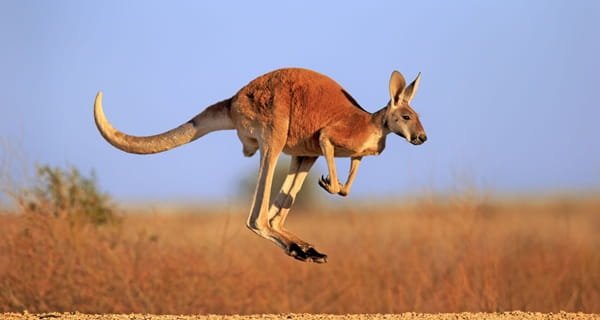
Is There a Federal Ban on Owning a Kangaroo?
There is no general federal law that makes ordinary private possession of every kangaroo illegal. For someone who lawfully acquires a captive kangaroo already in the United States, state and local law are usually the main ownership questions.
Federal rules can still apply to commercial activity. Under the Animal Welfare Act, certain dealers and exhibitors of warm-blooded animals must be licensed by USDA APHIS. A person buying solely for personal use is treated differently.
Can You Own a Kangaroo in Florida?
Florida uses a broad captive-wildlife permitting system. Animals that are not domestic and are not classified as Class I, Class II, Conditional, or Prohibited generally fall into Class III. FWC specifically lists wallabies among common Class III animals that require a personal-pet permit.
Because kangaroos are also nonnative marsupials, a prospective owner should confirm the exact species classification with FWC before acquiring one. Florida also requires prior authorization before nonnative wildlife enters the state.
California Prohibits Kangaroos as Ordinary Pets
California is much stricter. Its restricted-species regulation places all marsupials, or pouched animals, on the restricted list. That category includes kangaroos and wallabies.
A restricted-species permit is required to import, transport, or possess those animals. California wildlife authorities issue such permits only for qualified purposes such as research, public exhibition, education, or shelter. They are not issued simply so someone can keep a kangaroo as a household pet.
What Does Georgia Law Say?
Georgia is also restrictive. The Georgia Department of Natural Resources specifically lists marsupials—including wallabies and kangaroos—among exotic wild animals that generally may not be held as pets.
Georgia explains that wild-animal licenses and permits are intended for activities such as commercial wildlife businesses, public exhibition, science, or education. They are not issued merely to authorize pet ownership.
Can You Import a Kangaroo From Australia?
This is where kangaroo ownership becomes especially difficult. Australia regulates international trade in its native wildlife and does not allow live native mammals, birds, reptiles, or amphibians to be exported commercially.
Australia limits export of native household pets to a short list of bird species, and kangaroos are not included. Live native animals may be exported only for limited approved purposes such as research or exhibition. Buying a kangaroo in Australia for shipment to a private U.S. home is therefore not an ordinary legal route.
What About Kangaroos Already Bred in the United States?
A U.S.-bred kangaroo avoids the problem of exporting a live native animal from Australia, but it does not avoid state law. The buyer still has to be in a state and locality where possession is allowed and must obtain any required wildlife permit before taking possession.
Commercial breeders or exhibitors may also fall under USDA licensing requirements. A seller being federally licensed does not override a state ban or local ordinance at the buyer’s address.
Can Local Laws Ban Kangaroos?
Yes. Counties and cities can impose zoning, dangerous-animal, enclosure, nuisance, or exotic-pet rules that are stricter than state law. A state permit therefore does not automatically guarantee that a kangaroo may be kept at a particular home.
Large marsupials also require secure fencing, substantial outdoor space, specialized diet and veterinary care. Those practical requirements can become part of local permitting or animal-welfare enforcement.
The Bottom Line
Owning a kangaroo can be legal in some parts of the United States, but there is no nationwide right to keep one as a pet. Florida uses a captive-wildlife permit system, while California restricts all marsupials and Georgia specifically bars kangaroos from ordinary pet ownership.
The safest legal route is a captive-bred animal already lawfully present in the United States, acquired only after checking the destination state and local rules. Australia’s export restrictions mean that importing a kangaroo directly from its native country for ordinary pet ownership is generally not a practical legal option.