A seal may look calm and approachable while resting on a beach, but U.S. law treats seals very differently from ordinary exotic pets. Seals are marine mammals, and federal protection follows them whether they are in the wild, in captivity, imported, or transferred between facilities. That makes private ownership far more restricted than simply checking state exotic-animal law.
For an ordinary individual, keeping a seal as a household pet is generally not a lawful option. The Marine Mammal Protection Act, or MMPA, broadly restricts taking and importing marine mammals and limits possession, purchase, sale, transport, and transfer to authorized purposes. Zoos, aquariums, researchers, rehabilitation networks, and conservation programs can operate under federal rules, but there is no general pet permit for someone who simply wants a seal at home.
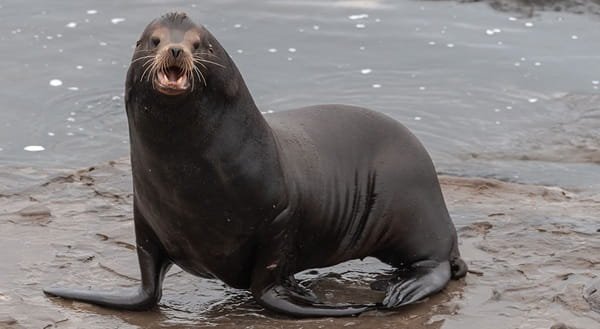
Why Are Seals Federally Protected?
Seals are pinnipeds under NOAA Fisheries jurisdiction. The MMPA broadly prohibits taking marine mammals in U.S. waters and restricts imports unless an exception or permit applies.
Federal law also restricts possession of unlawfully taken marine mammals and limits purchase, sale, transport, and export to authorized purposes such as public display, research, or species recovery.
Can You Capture a Wild Seal and Keep It?
No. Capturing a wild seal for private ownership would be a prohibited take unless valid federal authorization applied. Capture permits for public display are available only to qualifying institutions, not ordinary pet owners.
The same applies to a seal pup found alone on a beach. NOAA advises the public not to touch, move, feed, or return seals to the water. Injured or stranded animals must be handled by trained and authorized responders.
Can a Captive-Bred Seal Be a Legal Pet?
Captive birth does not create a private-pet loophole. The MMPA allows qualifying facilities to possess and transfer progeny for public display, scientific research, or species-survival purposes, and those rights remain tied to those purposes.
A seal born in a zoo or aquarium therefore cannot simply be sold to an individual. A receiving public-display facility must meet federal criteria, including an education or conservation program, regular public access, and required USDA licensing or registration.
Who Can Legally Keep Seals in Captivity?
Zoos and aquariums can keep marine mammals for public display when they meet MMPA requirements. NOAA states that a separate MMPA permit is not required merely to maintain them, although permits are required for imports or wild capture.
USDA APHIS regulates care of exhibited marine mammals under the Animal Welfare Act, including enclosure space, veterinary care, transport, sanitation, and handling.
Can You Import a Seal From Another Country?
Not as an ordinary pet. The MMPA controls marine-mammal imports, and NOAA issues permits for qualifying purposes such as public display, research, or conservation.
For public display, the receiving facility must meet federal criteria. Extra restrictions can apply to depleted, threatened, or endangered populations, and international trade rules may also apply.
What Happens if You Find an Injured Seal?
Finding an injured or apparently abandoned seal does not create a right to take it home. NOAA directs the public to keep a safe distance and contact an authorized stranding responder.
Rehabilitation is handled through authorized stranding organizations. If a seal cannot be released, federal authorities determine whether it can be placed in an approved facility.
What Happens if Someone Keeps a Seal Illegally?
Violations can lead to federal enforcement, including civil penalties, seizure, and criminal consequences in serious cases. Each unlawful taking or importation can be treated separately.
State wildlife, animal-welfare, zoning, and public-health laws can add restrictions, but they do not override the MMPA. A state exotic-animal permit cannot create a private right to possess a seal when federal law does not allow it.
The Bottom Line
A seal is not an ordinary legal household pet in the United States. Federal law sharply restricts capture, import, purchase, sale, transport, and possession, with authorized pathways designed for public display, research, rehabilitation, and conservation.
A zoo-held or captive-born seal does not become available for private ownership simply because it is accustomed to people. For ordinary individuals, lawful interaction means observing seals from a safe distance and leaving rescue and captive care to authorized professionals.