Understanding the Foundations of Personal Injury Law
Car accidents are a daily reality on Florida’s busy roads. For those living in or passing through Largo, these incidents can dramatically change lives.
Every year, Pinellas County, home to Largo, sees an alarming number of collisions. In 2023 alone, there were 14,820 crashes, resulting in 9,194 injuries. These statistics highlight the importance of understanding what to do if you are involved in a crash.
When an accident strikes, knowing your rights and the steps to take is crucial. From immediate actions at the scene to navigating complex insurance laws, the process can feel overwhelming.
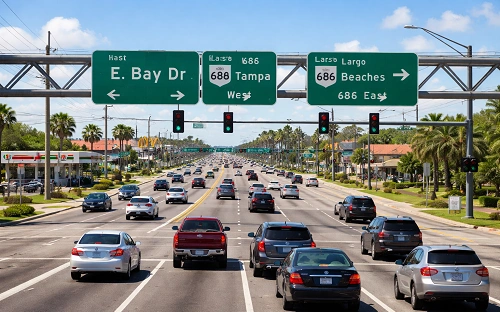
In this extensive guide, we will explore the common causes of car accidents in Largo. We will also discuss the types of injuries frequently sustained and Florida’s specific no-fault insurance laws. Our goal is to provide essential information to help you understand the legal landscape. We believe that informed victims are empowered to make the best decisions for their recovery and future.
Navigating the aftermath of a car accident in Largo often requires a fundamental understanding of personal injury law, particularly negligence. In Florida, as in most states, establishing fault in a traffic incident primarily revolves around proving that another party’s negligence caused your injuries and damages. This legal framework is essential for anyone seeking compensation after an accident.
Establishing Liability in Largo Traffic Incidents
Establishing liability in a Largo car accident is a critical first step towards securing compensation. It involves demonstrating that another party’s actions (or inactions) directly led to the collision and your subsequent harm. This isn’t always straightforward, as multiple factors can contribute to an accident, and insurance companies often work to minimize their client’s fault.
To prove liability, we typically focus on four key elements of negligence:
- Duty of Care: Every driver on the road has a legal obligation to operate their vehicle safely and adhere to traffic laws. This “duty of care” is automatically present for all motorists.
- Breach of Duty: This occurs when a driver fails to uphold their duty of care. Examples include speeding, distracted driving, running a red light, or driving under the influence. These reckless behaviors constitute a breach of their legal obligation.
- Causation: It must be proven that the breach of duty directly caused the accident and your injuries. There needs to be a clear link between the negligent act and the resulting harm.
- Damages: Finally, you must have suffered actual losses, known as damages, as a result of the accident. These can include medical expenses, lost wages, property damage, and pain and suffering.
Collecting robust evidence is paramount in establishing these elements. This includes police reports, which provide an official account of the incident and often assign initial fault. Witness statements can offer crucial third-party perspectives that corroborate your version of events. Furthermore, photographic and video evidence from the scene can visually document vehicle positions, road conditions, and visible injuries.
(List) of evidence to gather at a crash scene:
- Photos and videos of vehicle damage, road conditions, skid marks, traffic signs, and visible injuries.
- Contact and insurance information from all involved drivers.
- Contact information for any witnesses.
- The police report number and the investigating officer’s details.
- Medical records detailing your injuries and treatment.
- Any communication with insurance companies.
The Role of Negligence in Personal Injury Law
Negligence forms the bedrock of most personal injury claims. It’s the legal principle that holds individuals accountable for harm caused by their failure to exercise reasonable care. In the context of car accidents in Largo, this means that if a driver’s actions fall below the standard of a reasonably prudent person and cause an accident, they can be held financially responsible.
Beyond the general duty of care, specific roadway hazards and traffic violations often highlight a driver’s negligence. For instance, failing to yield the right of way at a busy intersection, ignoring a stop sign, or making an improper lane change on a crowded Largo road like Ulmerton Road can all be clear indicators of negligence. Our legal system, including Pinellas County civil court procedures, is designed to evaluate these actions and determine if they meet the criteria for a successful personal injury claim. Understanding these four pillars of negligence is fundamental to comprehending how car accident cases are evaluated and resolved.
Common Causes and Impacts of Car Accidents in Largo
Largo, with its bustling thoroughfares and proximity to major regional arteries, unfortunately experiences a high volume of traffic incidents. While accidents can stem from a myriad of factors, certain causes are consistently prevalent, leading to significant injuries and long-term consequences for victims.
What are the most common causes of car accidents in Largo, Florida?
The dynamic traffic environment in Largo contributes to several common causes of accidents. These often involve driver error or external factors that compromise road safety. Key contributors include:
- Distracted Driving: An ever-growing concern. Distracted driving can manifest in various forms:
- Visual distractions: Taking your eyes off the road (e.g., looking at a phone or adjusting a GPS).
- Manual distractions: Taking your hands off the wheel (e.g., texting, eating, reaching for an object).
- Cognitive distractions: Taking your mind off driving (e.g., deep in thought, emotional distress). Texting while driving, in particular, is illegal in Florida and a major cause of collisions.
- Speeding: Exceeding the posted speed limit or driving too fast for conditions significantly reduces a driver’s ability to react to hazards, increases stopping distances, and amplifies the force of impact in a crash.
- Driving Under the Influence (DUI): Alcohol and drug impairment severely compromise a driver’s judgment, reaction time, and coordination, leading to devastating accidents. Florida has strict DUI laws, yet these incidents tragically persist.
- Failure to Yield: Accidents frequently occur when drivers fail to yield the right-of-way at intersections, merging lanes, or when turning.
- Reckless Driving: This encompasses aggressive behaviors such as tailgating, weaving through traffic, and sudden lane changes without signaling.
- Poor Road Conditions: Potholes, uneven pavement, inadequate lighting, or debris on the road can contribute to accidents, sometimes shifting liability to the entities responsible for road maintenance.
- Bad Weather: Rain, fog, or strong winds can reduce visibility and traction, making driving hazardous if drivers do not adjust their speed and caution accordingly.
- Vehicle Malfunctions: While less common, defective vehicle parts (e.g., faulty brakes or steering issues) can cause accidents, potentially giving rise to product liability claims against manufacturers.
Local traffic patterns, such as the congestion on Ulmerton Road and Seminole Boulevard, can exacerbate these issues, increasing the likelihood of rear-end collisions and multi-vehicle pile-ups.
Common Injuries and Long-Term Consequences
Car accidents, even seemingly minor ones, can result in a wide range of injuries, some of which may not manifest immediately due to adrenaline. Understanding these common injuries is crucial for seeking appropriate medical attention and legal recourse.
What types of injuries are common in Largo car accidents? Common injuries include:
- Whiplash: A common neck injury caused by rapid back-and-forth movement of the head, often leading to pain, stiffness, and headaches.
- Head and Brain Injuries: Ranging from concussions to severe traumatic brain injuries (TBIs), these can have profound and lasting effects on cognitive function, memory, and personality.
- Spinal Cord Damage: Injuries to the spinal cord can result in partial or complete paralysis, requiring extensive and lifelong medical care.
- Fractures: Broken bones are common, especially in limbs, ribs, and facial bones, often requiring surgery and prolonged recovery.
- Internal Organ Trauma: Impact from a seatbelt or steering wheel can cause internal bleeding or damage to organs like the lungs, liver, or spleen.
- Soft Tissue Injuries: Sprains, strains, and tears to muscles, ligaments, and tendons can cause chronic pain and limit mobility.
- Lacerations and Abrasions: Cuts, scrapes, and burns from impact, shattered glass, or airbags.
(List) of common car accident injuries:
- Whiplash and other neck injuries
- Concussions and Traumatic Brain Injuries (TBIs)
- Spinal cord injuries (e.g., herniated discs, paralysis)
- Broken bones (fractures)
- Internal organ damage and internal bleeding
- Soft tissue injuries (sprains, strains, ligament tears)
- Lacerations, abrasions, and burns
- Psychological trauma (PTSD, anxiety, depression)
Potential Long-Term Impacts on a Victim’s Life
The consequences of a car accident often extend far beyond the initial physical injuries and vehicle damage. Many victims face significant long-term challenges that can drastically alter their lives. These impacts underscore the importance of seeking comprehensive compensation.
What are the potential long-term impacts of a car accident on a victim’s life?
- Permanent Disability: Severe injuries, such as spinal cord damage or catastrophic brain injuries, can lead to permanent physical or cognitive impairments, affecting a victim’s ability to work, perform daily tasks, and maintain independence.
- Chronic Pain: Many accident victims develop chronic pain conditions that persist for years, requiring ongoing medical management, physical therapy, and potentially impacting their quality of life.
- Emotional and Psychological Trauma: Accidents can leave deep emotional scars, leading to conditions like Post-Traumatic Stress Disorder (PTSD), anxiety, depression, and phobias related to driving or even leaving the house.
- Lost Earning Capacity: Injuries that prevent a victim from returning to their previous job or working at all can result in significant and prolonged income loss, impacting their financial stability and future career prospects.
- Lifestyle Adjustments: Victims may be unable to participate in hobbies, sports, or social activities they once enjoyed, leading to a diminished quality of life and social isolation.
- Ongoing Medical Expenses: Long-term rehabilitation, specialized medical care, medications, and assistive devices can accumulate into substantial costs over a lifetime.
- Financial Instability: The combination of lost income, mounting medical bills, and other accident-related expenses can plunge victims and their families into severe financial distress.
Navigating these complex and often devastating long-term impacts requires expert legal guidance. Experienced personal injury attorneys understand the full scope of these challenges and work to ensure that all future needs are accounted for in a compensation claim. For those seeking dedicated legal support, consulting with board-certified Largo accident lawyers can be a crucial step toward securing a stable future.
Navigating Florida’s No-Fault Insurance and Personal Injury Law
Florida operates under a “no-fault” insurance system, which significantly impacts how car accident claims are handled. Understanding this system is vital for any Largo resident involved in a collision, as it dictates the initial steps for seeking medical treatment and compensation.
How does Florida’s no-fault insurance law affect car accident claims in Largo?
Florida’s no-fault law requires all registered drivers to carry Personal Injury Protection (PIP) insurance. The primary effect of this law is that, regardless of who caused the accident, your own PIP insurance is responsible for covering a portion of your medical expenses and lost wages up to your policy limits.
Here’s how it typically works:
- PIP Benefits: Your PIP coverage will pay 80% of your necessary and reasonable medical bills and 60% of your lost wages, up to a maximum of $10,000. This coverage is intended to provide immediate financial relief for initial medical costs and lost income, without requiring proof of fault first.
- 14-Day Medical Rule: A critical aspect of Florida’s PIP law is the requirement to seek medical attention within 14 days of the accident. Failing to do so can result in the forfeiture of your PIP benefits, leaving you responsible for your medical bills.
- Limited Right to Sue: Under the no-fault system, you generally cannot sue the at-fault driver for pain and suffering or other non-economic damages unless your injuries meet Florida’s “serious injury threshold.”
(Table) Comparing PIP benefits vs. third-party liability claims:
Feature Personal Injury Protection (PIP) Claim (No-Fault) Third-Party Liability Claim (Fault-Based) Who Pays? Your own insurance company At-fault driver’s insurance company (or the driver directly) When Can You Claim? Immediately after an accident, regardless of fault Only if your injuries meet Florida’s “serious injury threshold” What’s Covered? 80% medical bills, 60% lost wages (up to $10,000) Full medical expenses, lost wages, pain & suffering, emotional distress, etc. Proof of Fault? Not required Required to prove the other driver’s negligence caused your injuries Types of Damages Economic (medical, lost wages) Economic & Non-Economic (pain & suffering, emotional distress)
Meeting the Serious Injury Threshold
While Florida’s no-fault law simplifies initial medical payments, it also introduces a crucial hurdle for victims seeking full compensation for their suffering. To pursue a fault-based lawsuit against the at-fault driver for non-economic damages like pain and suffering, your injuries must meet a specific “serious injury threshold” as defined by Florida Statutes § 627.737.
This threshold typically includes:
- Significant and permanent loss of an important bodily function.
- Permanent injury within a reasonable degree of medical probability, other than scarring or disfigurement.
- Significant and permanent scarring or disfigurement.
- Death.
If your injuries meet one of these criteria, you can step outside the no-fault system and file a third-party insurance claim or lawsuit against the negligent driver. This allows you to seek compensation for a broader range of damages, including pain and suffering, which your PIP coverage does not address. Proving that your injuries meet this threshold often requires comprehensive medical documentation and expert testimony, highlighting the value of experienced legal representation.
Modified Comparative Negligence in Personal Injury Law
Even if your injuries meet the serious injury threshold, another aspect of Florida law, modified comparative negligence, can impact your final compensation. This rule addresses situations in which more than one party may share some degree of fault for an accident.
Can I still recover damages if I was partially at fault for the crash?
Yes, under Florida’s modified comparative negligence rule (as of March 24, 2023), you can still recover damages even if you were partially at fault, provided your percentage of fault is 50% or less. However, your total compensation will be reduced proportionally to your assigned percentage of fault. For example, if a Pinellas County jury determines your total damages are $100,000, but you were 20% at fault for the accident (perhaps due to minor speeding), your recoverable compensation would be reduced by 20%, leaving you with $80,000.
If your fault is determined to be greater than 50%, you are barred from recovering any damages from the other party. This rule emphasizes the importance of meticulously investigating the accident and accurately assigning liability. Insurance companies will often try to shift as much blame as possible onto the injured party to reduce their payout, making skilled legal advocacy crucial for protecting your right to fair compensation. Factors like not wearing a seatbelt, even if not the cause of the crash, can sometimes be used to argue for a percentage of fault related to the severity of injuries.
Maximizing Compensation Through Personal Injury Law
After a car accident in Largo, securing fair compensation is paramount for covering medical bills, lost wages, and other significant losses. The legal process for maximizing this recovery involves understanding different types of damages and employing strategic legal approaches.
What compensation can be recovered for injuries sustained in a Largo car accident?
Victims of car accidents in Largo can typically seek compensation for a wide array of damages, including economic and non-economic losses, and, in some cases, punitive damages.
- Economic Damages: These are quantifiable financial losses directly resulting from the accident.
- Medical Expenses: This includes past and future costs for ambulance rides, emergency room visits, hospital stays, surgeries, doctor appointments, prescription medications, physical therapy, rehabilitation, medical devices, and long-term care.
- Lost Income and Earning Capacity: Compensation for wages lost due to the inability to work after the accident, as well as future income loss if injuries result in a reduced earning capacity or permanent disability.
- Property Damage: Costs associated with repairing or replacing your vehicle and any other damaged personal property.
- Out-of-Pocket Expenses: Other accident-related costs, such as transportation to medical appointments, home modifications for disability, or childcare.
- Non-Economic Damages: These are subjective, non-monetary losses that impact a victim’s quality of life.
- Pain and Suffering: Compensation for the physical pain and discomfort endured due to injuries.
- Emotional Distress/Mental Anguish: This includes anxiety, depression, PTSD, fear, and other psychological impacts resulting from the accident.
- Loss of Enjoyment of Life: Damages for the inability to participate in hobbies, recreational activities, and daily routines that were once enjoyed.
- Loss of Consortium: In cases of severe injury or wrongful death, this compensates a spouse for the loss of companionship, affection, and support.
- Permanent Disability or Disfigurement: Compensation for lasting physical impairments, scarring, or disfigurement that impacts a victim’s appearance and self-esteem.
- Punitive Damages: In rare cases, if the at-fault driver’s conduct was particularly egregious, reckless, or intentional (e.g., extreme DUI), punitive damages may be awarded. These are not intended to compensate the victim but to punish the wrongdoer and deter similar conduct in the future.
How can a Largo car accident lawyer help maximize compensation for victims?
A skilled Largo car accident lawyer plays an indispensable role in maximizing compensation for victims. Their expertise and strategic approach can significantly impact the outcome of a claim.
- Comprehensive Investigation: We conduct a thorough investigation, gathering all necessary evidence, including police reports, witness statements, medical records, and accident reconstruction reports, to build a strong case for liability and damages.
- Expert Witnesses: We often consult with medical experts, vocational specialists, and accident reconstructionists to provide expert testimony. These professionals can clearly articulate the extent of your injuries, their long-term impact, and how the accident occurred, strengthening your claim.
- Dealing with Insurance Companies: Insurance adjusters are trained to minimize payouts. We handle all communications and negotiations with insurance companies, protecting you from tactics that could devalue your claim. We know how to counter lowball offers and fight for a fair settlement.
- Accurate Valuation of Damages: We meticulously calculate both economic and non-economic damages, ensuring that all current and future losses are accounted for. This includes projecting future medical costs, lost earning capacity, and adequately valuing pain and suffering.
- Litigation Strategies: If a fair settlement cannot be reached through negotiation, we are prepared to take your case to court. We develop robust litigation strategies, represent you in trial, and advocate fiercely for your rights before a judge and jury.
- Coordination with Medical Teams: We work closely with your medical providers to ensure all injuries are properly documented and that you receive the necessary treatment, which is crucial for both your recovery and your claim.
(List) of recoverable damages in Florida:
- Medical bills (past and future)
- Lost wages (past and future)
- Diminished earning capacity
- Vehicle repair or replacement
- Rental car expenses
- Pain and suffering
- Emotional distress
- Loss of enjoyment of life
- Loss of consortium
- Permanent disability or disfigurement
By entrusting your case to experienced legal professionals, you can focus on your recovery while we navigate the complexities of the legal system and strive to secure the maximum compensation you deserve.
How long does a car accident case typically take in Largo?
The duration of a car accident case in Largo, as in any other jurisdiction, can vary significantly depending on several factors. There’s no one-size-fits-all answer, but understanding the typical phases can help manage expectations.
How long does a car accident case typically take in Largo?
- Minor Claims (Weeks to a Few Months): Cases involving minor injuries, clear liability, and relatively low damages might settle quickly, sometimes within a few weeks or months. This often occurs when the injured party’s PIP coverage is sufficient, and there’s no need to pursue a fault-based claim.
- Moderate Claims (Several Months to a Year): Cases with more significant injuries, but still within a manageable recovery period, typically take longer. This allows time for medical treatment to conclude (or at least stabilize), for the full extent of damages to be assessed, and for negotiations with insurance companies.
- Complex Claims (One to Several Years): Cases involving severe or catastrophic injuries, disputed liability, multiple at-fault parties, or those that require extensive future medical care can take a year or more, sometimes stretching into several years. These cases often involve:
- Pre-Litigation Phase: This involves investigation, evidence gathering, and initial negotiations with insurance companies. This phase can last several months.
- Discovery Process: If a lawsuit is filed, this formal information-gathering phase can take many months and involve depositions, interrogatories, and document requests.
- Mediation/Settlement Conferences: Parties often attempt to resolve the case through mediation before trial, which can take place at various points in the process.
- Trial: If a settlement isn’t reached, the case proceeds to trial, which can add several weeks to the overall duration.
Statute of Limitations: It’s crucial to remember Florida’s statute of limitations. For most personal injury claims arising from car accidents, you generally have two years from the date of the accident to file a lawsuit. Missing this deadline almost certainly means forfeiting your right to seek compensation. However, there are exceptions, such as for minors or in cases of wrongful death, where the deadline is two years from the date of death.
Factors that can prolong a case include the severity of injuries, the need for ongoing medical treatment, the willingness of insurance companies to negotiate fairly, the complexity of proving fault, and the court’s schedule. While patience is often required to achieve a fair outcome, a dedicated legal team works diligently to move your case forward efficiently.
Frequently Asked Questions about Largo Car Accidents
When a car accident occurs, many questions arise. Here, we address some of the most common inquiries victims have about navigating the aftermath in Largo, Florida.
What should I do immediately after a car accident in Largo?
Taking the right steps immediately after a car accident in Largo is crucial for your safety, health, and potential legal claim.
- Ensure Safety and Call 911: First, check yourself and any passengers for injuries. If anyone is injured or if there’s significant property damage, call 911 immediately to report the accident. This will dispatch law enforcement and emergency medical services.
- Seek Medical Care Promptly: Even if you feel okay, it’s imperative to seek medical attention within 14 days of the accident. Florida’s PIP law requires this to be eligible for your no-fault benefits. Adrenaline can mask pain, and some serious injuries may not be immediately apparent.
- Document the Scene: If it’s safe to do so, take photos and videos of everything: vehicle damage (yours and others), the accident scene, road conditions, skid marks, traffic signs, and any visible injuries. Gather contact information from the other driver(s) and any witnesses. Do not discuss fault with anyone at the scene.
- Avoid Admitting Fault: Do not apologize or admit fault to anyone—not the other driver, witnesses, or even the police. Stick to the facts.
- Contact Legal Counsel: Before speaking extensively with insurance companies, contact a Largo car accident lawyer. They can advise you on your rights, handle communications, and protect you from tactics that could undermine your claim.
- Preserve Physical Evidence: Keep your damaged vehicle as-is, if possible, and retain any personal belongings that were in it.
How long do I have to file a car accident lawsuit in Florida?
The deadline for filing a car accident lawsuit in Florida is governed by the state’s statute of limitations.
How long do I have to file a car accident lawsuit in Florida?
For most personal injury claims arising from a car accident, you generally have two years from the date of the accident to file a lawsuit in Florida. This is a critical deadline established by Florida Statutes § 95.11. If you miss this two-year window, you will likely lose your right to pursue compensation through the courts, regardless of the merits of your case.
It’s also important to distinguish this from reporting requirements. If an accident involves injuries, death, or significant property damage (typically over $500), you must report it to law enforcement immediately. If police do not respond to the scene, you are required to file a crash report yourself with the Florida Department of Highway Safety and Motor Vehicles (FLHSMV) within 10 days. Failing to file this report can also negatively impact your claim.
There are some exceptions to the two-year statute of limitations, such as cases involving minors (where the clock may not start until they turn 18) or wrongful death claims, which also typically have a two-year deadline from the date of death. Given these strict deadlines, it is always advisable to consult with an attorney as soon as possible after an accident.
Can I still recover damages if I was partially at fault for the crash?
This is a common concern for many accident victims, and Florida law provides a clear answer under its modified comparative negligence rule.
Can I still recover damages if I was partially at fault for the crash?
Yes, you can still recover damages even if you were partially at fault for a car accident in Largo, provided your percentage of fault does not exceed 50%. Florida follows a modified comparative negligence system. This means that if you are found to be 50% or less responsible for the accident, you can still receive compensation, but the amount will be reduced proportionally to your degree of fault.
For example, if a jury determines your total damages are $100,000, but they also find you were 30% at fault, your recoverable compensation would be reduced by $30,000, leaving you with $70,000. However, if your fault is determined to be 51% or greater, you would be barred from recovering any damages from the other party.
Insurance companies often try to assign a higher percentage of fault to the injured party to reduce their payout. This is why having strong legal representation is crucial. An attorney can challenge these attempts and work to minimize your assigned fault, maximizing your potential recovery. Factors such as not wearing a seatbelt, while not causing the accident, can sometimes be cited to argue for a percentage of fault based on the severity of injuries, which can impact the final settlement. Understanding Pinellas County legal standards and how they apply to your specific situation is key.
Conclusion
Car accidents in Largo, Florida, are an unfortunate reality, bringing with them a host of physical, emotional, and financial challenges. From the immediate aftermath of a collision to the complex legal battles that may ensue, victims often face an uphill struggle to regain their health and financial stability.
Understanding the foundations of personal injury law, including the critical role of negligence and Florida’s specific no-fault insurance system, is essential. We have explored the common causes of these incidents, the devastating injuries they can inflict, and the profound long-term impacts they can have on a victim’s life. We’ve also highlighted the intricacies of Florida’s modified comparative negligence rule and the serious injury threshold, which govern when and how victims can seek full compensation.
Navigating the complexities of personal injury and accident claims requires more than knowledge; it demands experienced, dedicated legal advocacy. A skilled Largo car accident lawyer can be an invaluable ally, meticulously investigating your case, expertly negotiating with insurance companies, and, if necessary, fiercely representing your interests in court. Their expertise ensures that all aspects of your damages—from medical bills and lost wages to pain and suffering—are thoroughly accounted for, maximizing your potential recovery.
For those who have suffered due to another’s negligence, protecting your rights and securing fair compensation is not just about financial recovery; it’s about finding justice and rebuilding your life. If you or a loved one has been involved in a car accident in Largo, seeking professional guidance from dedicated legal experts is a crucial step on the path to healing and resolution. For comprehensive support and to learn more about your legal options, consider reaching out to experienced personal injury professionals.