Understanding the Complexities of Personal Injury Litigation
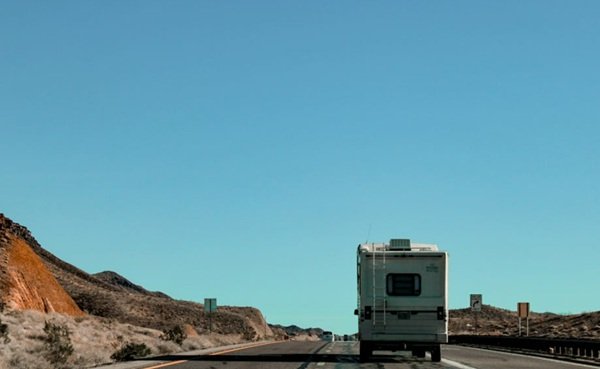
RVs offer the promise of open roads and memorable journeys. But these large vehicles can also be involved in serious accidents. We know that on average, 26 people lose their lives in RV-related accidents each year. Another 75,000 hospitalizations result from these incidents annually. Such crashes often lead to severe injuries and complex legal challenges.
In this extensive guide, we explore the unique world of RV accident litigation. We will cover what defines an RV and the common causes of these accidents. We will also discuss the types of injuries victims often face and who might be held responsible. Understanding these complexities is key to pursuing a claim. We will also detail the critical steps to take after an accident. Finally, we will show how an RV accident lawyer can help victims seek justice and fair compensation, including providing aggressive personal injury representation when needed.
When an RV accident occurs, the aftermath can be overwhelming, often involving severe trauma and extensive property damage. Unlike standard car accidents, RV crashes present unique challenges due to the vehicle’s size, weight, and specific operational characteristics.
The complexities extend beyond the immediate physical injuries. Victims often grapple with ongoing medical treatments, lost income, and significant emotional distress. Navigating the legal landscape requires a deep understanding of personal injury law, vehicle regulations, and insurance policies. This is why RV accident claims are often considered “high-stakes” litigation, demanding thorough investigation and skilled advocacy to ensure victims receive the full compensation they deserve.
Weight and Maneuverability Factors
Recreational vehicles, whether they are large Class A motorhomes or towable fifth wheels, are significantly larger and heavier than typical passenger cars. This inherent difference in size and mass directly impacts their handling, braking, and overall safety on the road. For instance, RVs require much longer stopping distances compared to cars, and their high center of gravity makes them more susceptible to rollovers, especially during sharp turns or evasive maneuvers.Another critical factor is trailer sway, a dangerous phenomenon where a towed RV begins to oscillate or “sway” uncontrollably behind the towing vehicle. This can be caused by improper loading, excessive speed, or strong crosswinds, and it contributes to a staggering 500,000 accidents annually. Drivers of these vehicles must also contend with significant blind spots and reduced maneuverability, particularly when navigating tight spaces or making turns. The combination of these factors means that even experienced drivers can find RVs challenging to control, and any misjudgment can lead to severe collisions.
Lack of Safety Regulations and Rest Standards
Despite their large size and potential for devastating accidents, many states do not require special driving permits or commercial driver’s licenses (CDLs) for operating RVs. This means that individuals with only a standard driver’s license may be operating vehicles that are as long and heavy as some commercial semi-trucks, often without adequate training or experience. This lack of specialized licensing can significantly contribute to driver inexperience, increasing the risk of accidents.
Furthermore, unlike commercial truck drivers who are subject to strict hours-of-service regulations mandated by federal agencies to prevent fatigue, RV drivers face no such requirements.
An Overview of Recreational Vehicles and Common Accident Drivers
Recreational vehicles (RVs) encompass a wide array of vehicles designed for leisure travel and temporary living. While the term “RV” traditionally refers to motorized vehicles like motorhomes or towable units like travel trailers, some definitions, particularly in insurance contexts, can extend to other vehicles ridden for enjoyment, such as all-terrain vehicles (ATVs) or snowmobiles. For the purpose of discussing “RV accident lawyers” in the context of road safety, we primarily focus on the larger, highway-capable vehicles.
The common causes of RV accidents are multifaceted, often stemming from a combination of driver error, vehicle characteristics, and external factors.
Primary Causes of Severe Crashes
Several factors frequently contribute to severe RV crashes, often with devastating consequences:
- Distracted Driving: Just like in passenger vehicles, distracted driving—whether from using mobile devices, adjusting RV amenities, or tending to passengers—can lead to catastrophic accidents, especially given the RV’s size and momentum.
- Speed Misjudgments: RVs require more time and distance to accelerate, decelerate, and stop. Drivers often misjudge these capabilities, leading to speeding for conditions, unsafe lane changes, or rear-end collisions.
- Mechanical Failures: RVs are complex machines, and mechanical issues can arise. Brake malfunctions, tire blowouts (often exacerbated by overloading or underinflation), and steering system failures are critical causes of accidents. According to research, when a truck crashes due to a defect, the problem is most often tire or wheel related, and RVs can experience similar issues.
- Gas Leaks and Explosions: RVs typically store propane or other gases for appliances. Accidents or maintenance issues can lead to gas leaks, which, in a collision, can ignite and cause severe burn injuries or explosions.
Classifying RVs and Towable Rigs
RVs come in various forms, each with its own characteristics and potential accident risks:
- Motorcoaches (Motorhomes): These are self-contained, motorized vehicles.
- Class A Motorhomes: The largest, resembling buses, built on commercial truck or bus chassis. They offer extensive living space but require significant skill to maneuver.
- Class C Motorhomes: Built on a cutaway chassis with an attached cab, often recognizable by the over-cab bunk. They are smaller than Class A but still substantial.
- Class B Motorhomes (Camper Vans): The smallest, built on a van chassis, offering more maneuverability but less space.
- Towable Rigs: These require a separate vehicle for towing.
- Fifth-Wheel Trailers: Designed to be towed by a pickup truck equipped with a special hitch in the truck bed, offering a stable towing experience.
- Travel Trailers: Towed by a hitch on the rear of a vehicle, ranging from small teardrop trailers to large, multi-axle units.
- Toy Haulers: Often a type of travel trailer or fifth wheel, designed with a “garage” area for transporting recreational vehicles like ATVs or motorcycles.
Determining Liability and Insurance Challenges in RV Claims
Determining liability in an RV accident can be significantly more complex than in a standard car crash. The sheer number of potential parties involved, coupled with intricate insurance policies, often creates a challenging legal landscape for victims seeking compensation.
RV accident claims are complex due to factors like multiple drivers/vehicles, out-of-state laws (as RVs travel widely), insurance disputes, delays in damage assessments, policy exclusions, rental agreement ambiguities, manufacturing defects, and undervaluation of unique RV losses.belongings inside the RV, or exclusions for business use if the RV is utilized commercially.
Navigating High-Stakes Personal Injury Litigation Across Multiple Parties
In RV accident cases, identifying all potentially liable parties is crucial for a successful claim. Beyond the immediate driver, liability can extend to a variety of entities:
- The RV Driver: If their negligence (e.g., distracted driving, speeding, fatigue, impaired driving, inexperience) caused the accident.
- The RV Owner: If they permitted an unlicensed or incompetent driver to operate the vehicle, or failed to maintain the RV properly.
- Rental Companies: If the RV was rented and the accident was due to a maintenance issue they overlooked, or if their rental agreement provisions are ambiguous.
- RV and RV Parts Manufacturers: In cases where a mechanical failure or design defect (e.g., faulty brakes, tire blowouts, structural issues) contributed to the accident, product liability claims can be filed.
- Cargo Loaders or Maintenance Vendors: If the accident resulted from improper loading of the RV or its trailer, or negligent maintenance work performed by a third-party service provider.
Insurance Structure Differences: Personal, Rented, and Commercial
The type of RV use—personal, rented, or commercial—significantly impacts the applicable insurance policies and potential coverage in an accident.
- Privately Owned RVs: Owners typically have specialized RV insurance policies. However, these policies can have gaps. For instance, a personal auto policy may not cover the RV itself, or it might have low limits for liability or property damage. Crucially, personal policies often don’t adequately cover personal belongings stored inside the RV, which can be substantial given the “home away from home” nature of these vehicles. Underinsured/uninsured motorist (UIM) coverage is also vital but often overlooked.
- Rented RVs: When renting an RV, the insurance landscape becomes even more complex. Renters often assume their personal auto insurance will cover them, but this is frequently not the case, or coverage may be minimal. Rental companies typically offer their own insurance, such as Supplemental Liability Insurance (SLI), and often require specific coverages. Credit card protections might also apply, but these vary widely and may not cover the full extent of damages or injuries. Ambiguities in rental agreements can lead to disputes over who is responsible for what.
- Commercially Used RVs: If an RV is used for business purposes (e.g., mobile office, food truck, mobile grooming), personal RV insurance policies will almost certainly exclude coverage.
Understanding these distinctions and reviewing policy fine print is critical. An experienced RV accident lawyer can help victims and owners alike navigate this patchwork of coverages to identify all potential sources of compensation.
Critical Steps and Damages Recoverable After an Accident
The moments immediately following an RV accident can be chaotic and frightening. However, taking specific steps can significantly impact the success of a future personal injury claim. Beyond immediate actions, understanding the types of damages recoverable is crucial for victims seeking justice and financial recovery.
Immediate Action Plan Following a Collision
If you are involved in an RV accident, we advise taking the following critical steps:
- Prioritize Safety and Seek Medical Attention: Your health is paramount. Move to a safe location if possible. Even if injuries seem minor, seek prompt medical care. Some severe injuries, like concussions or internal damage, may not be immediately apparent but can worsen without treatment. Documenting all injuries with medical professionals is essential for your claim.
- Contact Authorities: Call 911 immediately to report the accident. Law enforcement will create an official accident report, which is a vital piece of evidence.
- Document the Scene Thoroughly:Take photos and videos of the accident scene from multiple angles. Capture vehicle damage, debris, road conditions, traffic signs, and any visible injuries.
- Collect contact and insurance information from all parties involved, including drivers, passengers, and the RV owner (if different from the driver).
- Gather contact information from any witnesses. Their unbiased accounts can be invaluable.
- Avoid Discussing Fault: Do not admit fault or make statements about who was to blame at the scene. These statements can be used against you later. Limit your discussion to law enforcement and medical personnel.
- Keep Meticulous Records: Maintain detailed records of all correspondence, reports, medical bills, treatment plans, and expenses related to the accident. This includes receipts for vehicle repairs, rental cars, and any out-of-pocket costs.
- Do Not Speak to Insurance Adjusters Without Legal Counsel: Insurance companies, even your own, aim to pay as little as possible. Consult with an RV accident lawyer before giving any recorded statements or signing any documents from an insurance company.
The Role of Legal Representation in Personal Injury Litigation
The complexities of RV accident claims make legal representation not just advisable, but often essential. An experienced RV accident lawyer serves as a crucial advocate, guiding victims through every stage of the legal process.
- Case Building and Evidence Collection: Lawyers will conduct a thorough investigation, gathering all necessary evidence. This includes police reports, medical records, witness statements, expert testimony (e.g., accident reconstructionists, medical specialists), vehicle maintenance records, and even black box data from the RV. They ensure no critical detail is overlooked in establishing negligence and liability.
- Navigating Legal Nuances: RV accidents often involve unique laws and regulations, including specific licensing requirements, weight restrictions, and federal motor carrier safety regulations if a commercial entity is involved. An attorney understands these nuances and how they apply to your case.
- Dealing with Insurance Companies: Insurance companies have vast resources and legal teams dedicated to minimizing payouts. An attorney will handle all communications and negotiations with insurers, protecting your rights and ensuring you are not pressured into an unfair settlement. They understand how to counter tactics used to undervalue claims.
- Pursuing Maximum Compensation: Lawyers are skilled in calculating the full extent of damages, including both economic and non-economic losses. They will fight to secure compensation for all your injuries and losses.
- Trial Advocacy: If a fair settlement cannot be reached, your lawyer will be prepared to take your case to trial, presenting a compelling argument to a judge and jury.
- Contingency Fees: Most personal injury lawyers work on a contingency fee basis, meaning you don’t pay upfront legal fees. Their payment is a percentage of the compensation they secure for you, making legal representation accessible regardless of your financial situation.
For those seeking justice after an RV accident, partnering with a legal team that offers comprehensive support and aggressive personal injury representation is paramount.
Types of Damages Recoverable in an RV Accident Claim
Victims of RV accidents can pursue various types of damages to compensate for their losses:
- Economic Damages: These are quantifiable financial losses.
- Medical Expenses: Covering emergency treatment, hospital stays, surgeries, rehabilitation, medications, and future medical care.
- Lost Wages: Compensation for income lost due to inability to work after the accident, including potential future earnings.
- Property Damage: Costs for repairing or replacing the RV and any personal belongings damaged in the accident.
- Other Out-of-Pocket Expenses: Such as transportation to medical appointments, home modifications for disability, or assistive devices.
- Non-Economic Damages: These are subjective, non-monetary losses.
- Pain and Suffering: Compensation for physical pain, discomfort, and emotional distress caused by the injuries.
- Emotional Distress: Covering anxiety, depression, PTSD, and other psychological impacts.
- Loss of Enjoyment of Life: Compensation for the inability to participate in hobbies, activities, or daily routines due to injuries.
- Loss of Consortium: In cases of severe injury or wrongful death, compensation for the loss of companionship, affection, and support from a spouse or family member.
- Punitive Damages: In rare cases, if the at-fault party’s conduct was particularly egregious, reckless, or intentional, punitive damages may be awarded to punish the wrongdoer and deter similar behavior. This is more common in product liability claims involving defective RV parts.
Frequently Asked Questions
Understanding the common questions surrounding RV accident claims can help victims navigate the aftermath with greater clarity.
What is the statute of limitations for filing a claim?
The statute of limitations is a legal deadline that dictates how long you have to file a lawsuit after an RV accident. This timeframe varies significantly by state and the type of claim. For instance, in Nevada, the statute of limitations for personal injury claims, including RV accidents, is generally two years from the date of the crash. In Illinois, while personal injury claims also typically have a two-year limit, property damage claims might have a longer period, such as five years. Wrongful death claims also have their own specific deadlines, often two years from the date of death.
It is crucial to understand that if you miss this deadline, you generally lose your right to pursue compensation through the court system, regardless of the merits of your case.
Who can be held liable in a complex RV accident claim?
In a complex RV accident claim, liability can extend far beyond just the RV driver. The unique nature of these vehicles and their use means multiple parties could potentially share responsibility:
- Driver Liability: The RV driver is often the primary liable party if their negligence (e.g., distracted driving, speeding, fatigue, impaired driving, inexperience) caused the accident.
- RV Owner Liability: If the owner is not the driver, they could be liable if they knowingly allowed an unqualified driver to operate the RV or failed to maintain the vehicle properly.
- Rental Agencies: If the RV was rented, the rental company could be held liable if the accident was caused by a mechanical defect they should have identified or if their rental policies were inadequate.
- Vehicle and Parts Manufacturers: If a defect in the RV’s design or a faulty component (like brakes or tires) led to the accident, the manufacturer could face product liability claims.
- Maintenance and Repair Shops: If negligent maintenance or repairs contributed to the accident, the shop responsible could be held accountable.
Identifying all potentially liable parties requires a thorough investigation, which is a key service an RV accident lawyer provides.
What types of damages can be recovered after a crash?
After an RV accident, victims can typically recover a comprehensive range of damages designed to compensate them for their losses and make them whole again. These damages generally fall into two main categories:
- Economic Damages: These are tangible, quantifiable financial losses.
- Medical Expenses: This includes all costs associated with your injuries, from emergency room visits and ambulance fees to hospital stays, surgeries, medications, physical therapy, and long-term care.
- Lost Wages: Compensation for any income you’ve lost due to being unable to work because of your injuries, as well as future earning capacity if your injuries prevent you from returning to your previous job or working at the same capacity.
- Property Damage: The cost to repair or replace your RV or other vehicles involved, as well as any personal belongings damaged inside the RV.
- Other Out-of-Pocket Expenses: This can include costs for transportation to medical appointments, home modifications if you sustain a permanent disability, and other accident-related expenditures.
- Non-Economic Damages: These are non-monetary losses that compensate for the intangible impacts of the accident.
- Pain and Suffering: Compensation for the physical pain, discomfort, and emotional distress you experience as a result of your injuries.
- Emotional Distress: This can cover psychological impacts such as anxiety, depression, fear, and post-traumatic stress disorder (PTSD).
- Loss of Enjoyment of Life: Damages for the inability to participate in hobbies, recreational activities, or daily routines that you enjoyed before the accident.
- Loss of Consortium: In cases where a spouse or family member is affected, this compensates for the loss of companionship, affection, and support.
Conclusion
RV accidents, while offering the promise of adventure, carry unique and significant risks that can lead to devastating consequences. The complexities of these cases—from the sheer size and maneuverability challenges of the vehicles to the intricate web of liability and insurance policies—demand a specialized approach. We have seen that identifying all responsible parties, understanding the nuances of RV insurance, and navigating legal deadlines like the statute of limitations are critical for a successful claim.