Key Takeaways
- Victim-Offender Dialogue (VOD) offers a restorative justice approach, allowing victims and offenders to engage in facilitated conversations aimed at healing and accountability.
- VOD is victim-initiated and voluntary, providing a safe space for victims to express the impact of the crime and for offenders to take responsibility.
- Research indicates that VOD can reduce post-traumatic stress symptoms in victims and may decrease recidivism rates among offenders.
- Successful VOD programs require trained facilitators, thorough preparation, and adherence to ethical guidelines to ensure the safety and well-being of all participants.
Table of Contents
- Understanding Victim-Offender Dialogue
- The VOD Process
- Benefits of VOD
- Challenges and Considerations
- Real-Life Examples
- Implementing VOD Programs
- Conclusion
Traditional criminal justice systems frequently center on punishment, sometimes neglecting the complex emotional aftermath experienced by victims. In recent years, Victim-Offender Dialogue (VOD) has emerged as a path within restorative justice that prioritizes healing and direct communication. By fostering structured, voluntary conversation between victims and offenders, VOD offers opportunities for both healing and accountability right at the heart of justice. This innovative practice is gaining attention among professionals such as Karen Miner-Romanoff, who advocate for practices that better serve both victims and offenders in the aftermath of crime.
VOD helps victims find closure and empowers them to speak about harm in a safe space, while offenders can accept responsibility and start making amends. Its global popularity grows as communities value its role in accountability and emotional healing. Participation is voluntary, ensuring genuine engagement. As restorative justice programs expand, VOD uniquely addresses deeper needs often missed by traditional systems. Implementing VOD requires understanding its structure, expert facilitation, strict guidelines, and a focus on safety, emphasizing the importance of training and professional standards.
Understanding Victim-Offender Dialogue
VOD distinguishes itself by being strictly victim-driven and voluntary. Victims initiate the process, ensuring that their voices and needs are at the forefront. The central goal is to allow victims to articulate the effects of the crime, ask questions that may never have been answered in court, and potentially achieve a sense of closure that is otherwise difficult to attain. Offenders, meanwhile, are confronted with the real-life impact of their behavior, giving them a chance to express remorse, take responsibility, and consider the harm caused.
This model stands in contrast to punitive justice systems, which view crime primarily as a violation of state law. In restorative justice, such as VOD, the harm done to individuals and communities is just as central as the violation of the law. With trained facilitators guiding the sessions, conversations are carefully structured to protect emotional wellbeing and maintain respect throughout.
The VOD Process
The VOD process typically unfolds through several deliberate stages:
- Initiation: The dialogue is requested by the victim, reflecting the voluntary cornerstone of the process.
- Preparation: Both the victim and offender engage in preparatory sessions with facilitators. These extensive preparations build readiness, identify possible triggers, and set clear boundaries for dialogue.
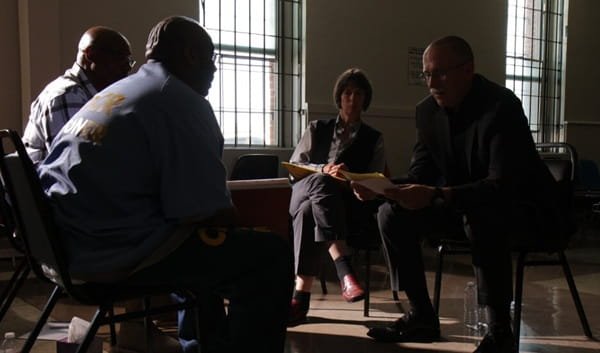
- Facilitated Dialogue: Both parties participate in a face-to-face meeting in a secure, controlled setting. This meeting is led by facilitators who ensure a respectful tone and guide the discussion productively.
- Follow-Up: After the dialogue, ongoing support and counseling are provided to both the victim and the offender to help process emotions and sustain benefits over time.
Benefits of VOD
Numerous research studies show that VOD can be transformative for both victims and offenders. For victims, these dialogues have been linked to lower post-traumatic stress symptoms, greater satisfaction with justice processes, and increased feelings of empowerment. According to the American Psychological Association, victims often report that VOD provides answers and closure unattainable by other means.
For offenders, participation in VOD can foster empathy and accountability. Studies suggest that those who engage in restorative dialogues are less likely to reoffend after release, a finding highlighted by the National Institute of Justice as a significant step toward safer communities. Experiencing firsthand the harm caused urges offenders to consider the full impact of their choices and often sparks a lasting commitment to change.
Challenges and Considerations
While the benefits are significant, VOD is not without obstacles. The nature of the dialogue can be emotionally taxing and requires careful preparation of all participants. Trauma triggers, heightened emotions, and the need to maintain respect and safety all present unique challenges for facilitators and organizers.
Safety concerns are paramount throughout the process. Only highly trained professionals should facilitate these conversations, adhering to strict protocols to protect both physical and emotional well-being. Lastly, true participation must be voluntary. If either party feels coerced, the integrity and potential success of the process are compromised.
Real-Life Examples
Several organizations stand as successful examples of VOD in practice. The Healing Dialogue and Action initiative in California helps facilitate powerful meetings between survivors and offenders, focusing on mutual healing and understanding. Programs like these highlight the benefits of dialogue when it is safely structured and expertly guided.
Ohio’s Crime Victim Services also provides restorative VOD options, reporting positive effects for both parties. Victims have found relief and closure, while offenders gain new insight into the magnitude of their actions and are better prepared to reintegrate into society.
Implementing VOD Programs
Communities wishing to adopt or expand VOD programs should prioritize:
- Training Facilitators: Investing in specialized, rigorous facilitator training is crucial. Facilitators must possess skills in mediation, trauma awareness, and crisis intervention.
- Establishing Protocols: Clear, detailed protocols are necessary for screening participants, structuring dialogue, and post-dialogue support. These guidelines should emphasize safety, consent, and respect.
- Community Engagement: Successful VOD programs rely on public awareness and understanding. Outreach and educational campaigns can help build trust and encourage participation among victims, offenders, and broader society.
Conclusion
Victim-Offender Dialogue is reshaping expectations in the criminal justice system by focusing not only on punishment but also on true accountability, healing, and community restoration. By giving both victims and offenders a voice, VOD creates space for deeper understanding, meaningful resolution, and genuine emotional progress. As the value of restorative justice gains widespread recognition, programs like VOD will continue to influence how we think about crime, justice, and healing in society.