When the other driver changes their story after a crash in Albuquerque, your best move is to rely on evidence that does not depend on anyone’s memory. Photos, police reports, witness statements, and video can show what really happened, even when the other driver’s version keeps shifting.
Albuquerque is the largest city in New Mexico and sits along the Rio Grande, with the Sandia Mountains rising to the east. The city is known for the Albuquerque International Balloon Fiesta and is home to the University of New Mexico. Major employers include Kirtland Air Force Base and Sandia National Laboratories.
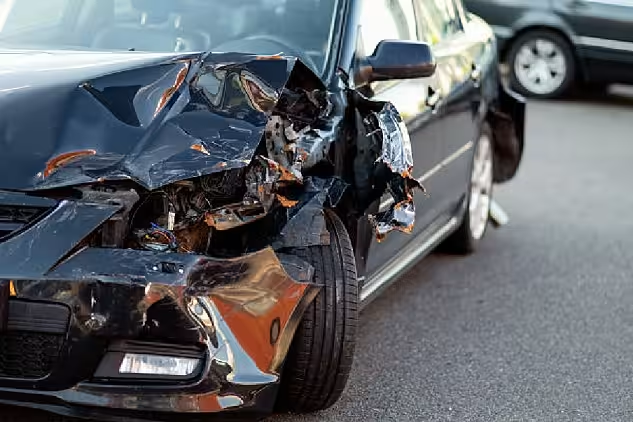
With so many commuters, students, and visitors on the road, disputes over who caused a crash are common. If the other driver admitted fault at the scene but later denies it, an Albuquerque car accident lawyer can help compare their statements against the evidence. The sooner that evidence is gathered, the harder a changed story becomes to defend.
Why Drivers Change Their Accounts After a Crash
Story changes often happen once a driver talks with their insurance company or realizes what fault could cost them. A driver who apologized at the scene may later claim you were speeding or ran a light.
Other common reasons include
Fear of higher insurance rates
Worry about a traffic citation
Memory gaps caused by stress
Pressure from passengers or family
How Comparative Fault Raises the Stakes in New Mexico
New Mexico follows a pure comparative fault system. This means each driver’s share of blame reduces what they can recover.
If the other driver convinces an insurer that you were 40 percent at fault, your compensation drops by 40 percent. A changed story is often an attempt to shift part of the blame onto you. That is why proving each detail matters.
Evidence That Holds Up Against a Changing Story
Some evidence carries more weight because it was created before anyone had a reason to change their account. These sources are often the strongest answer to a shifting version of events.
The Police Crash Report
Under NMSA 1978 § 66-7-206, drivers must immediately report crashes involving injury, death, or certain property damage to police. The officer’s report often records each driver’s first statement. That early account can be compared to anything the driver says later.
Witness and Video Evidence
Independent witnesses have no stake in who wins the claim. Their statements, along with footage from dash cameras, traffic cameras, or nearby businesses, can confirm what actually happened.
Prior Inconsistent Statements
If a case reaches court, Rule 11-613 NMRA allows a witness to be questioned about an earlier statement that conflicts with current testimony. This can show a judge or jury that the other driver’s version has shifted over time.
Protecting Your Claim When the Other Driver’s Version Shifts
Acting early makes it harder for a new version of events to take hold. These actions help preserve the facts while they are still fresh.
1. Write down everything the other driver said at the scene as soon as possible.
2. Request a copy of the crash report from the Albuquerque Police Department or the Bernalillo County Sheriff’s Office.
3. Save photos of vehicle damage, skid marks, road signs, and traffic signals.
4. Collect contact details from witnesses before they become hard to find.
5. Limit what you say to the other driver’s insurer and avoid guessing about facts you are unsure of.
Deadlines That Still Apply in New Mexico
A dispute over fault does not pause legal deadlines. Waiting for the other driver to settle on one story can cost you valuable time.
Under NMSA 1978 § 37-1-8, most personal injury claims in New Mexico must be filed within three years of the crash. Insurance policies may also require prompt notice, so reporting the claim early protects your rights.
Key Takeaways
Evidence created at the scene carries more weight than later statements.
New Mexico’s pure comparative fault system reduces recovery by each driver’s share of blame.
NMSA 1978 § 66-7-206 requires drivers to report injury crashes to police right away.
Police reports often capture the other driver’s first account.
Rule 11-613 NMRA allows questioning about prior inconsistent statements in court.
Most New Mexico personal injury claims must be filed within three years.