According to the National Highway Traffic Safety Administration’s 2023 crash data, multi-vehicle accidents account for roughly 40% of all traffic fatalities, with chain-reaction collisions creating some of the most complex liability scenarios in personal injury law. When three, four, or more vehicles collide in rapid succession, determining who bears responsibility becomes exponentially more challenging than a typical two-car crash. As courts increasingly apply comparative fault principles and insurance companies deploy sophisticated strategies to minimize their exposure across multiple claims, accident victims often find themselves navigating a legal maze where traditional fault concepts break down.
The stakes couldn’t be higher. In multi-car pileups, damages frequently exceed individual policy limits, multiple insurance companies fight to shift blame, and the window for preserving crucial evidence closes quickly as vehicles are towed and accident scenes are cleared. For anyone caught in this situation, understanding how liability gets allocated among multiple parties — and how that affects your ability to recover full compensation — can determine whether you receive adequate settlement or spend years in complex litigation.
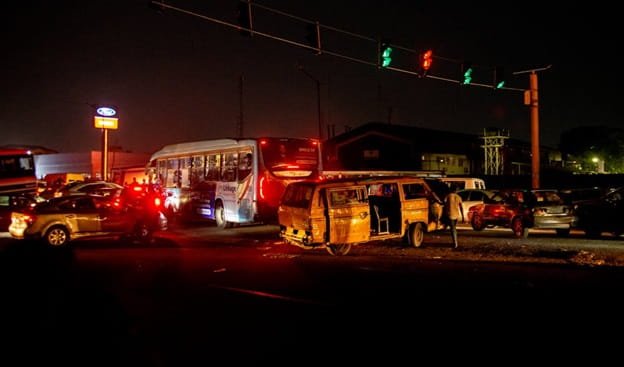
How Is Liability Determined in Multi-Car Pileups
Multi-car liability operates on fundamentally different principles than simple two-vehicle accidents. Courts examine the chain of causation — the sequence of events that led each driver to contribute to the overall crash. Rather than finding one party “at fault,” most jurisdictions apply comparative negligence rules that assign percentage responsibility to each driver based on their specific actions or failures.
Consider a common highway scenario: Driver A suddenly brakes for debris, Driver B rear-ends them while texting, and Driver C, following too closely behind Driver B, crashes into both vehicles, pushing them into oncoming traffic where they collide with Driver D. Each driver’s liability percentage depends on specific factors. Driver A might bear 10% responsibility if they failed to use hazard lights. Driver B could face 40% liability for distracted driving. Driver C might carry 35% fault for inadequate following distance. Driver D could bear 15% responsibility if they were speeding when the collision occurred.
The legal framework varies significantly by state. In pure comparative negligence jurisdictions like California and New York, you can recover damages even if you’re 90% at fault — though your compensation reduces by your fault percentage. Modified comparative negligence states like Texas bar recovery if you’re more than 50% responsible. This distinction becomes crucial in multi-car cases where fault percentages can shift dramatically based on available evidence.
Insurance companies employ accident reconstruction specialists who create detailed analyses of each impact, vehicle speeds, and driver reactions. They examine skid marks, crush damage patterns, electronic data recorders, and witness statements to build their liability theories. The party with the strongest evidence foundation — not necessarily the party who caused the initial impact — often emerges with the lowest fault percentage. This reality makes immediate evidence preservation critical, as tow truck operators and cleanup crews can eliminate crucial physical evidence within hours of the crash.
What Types of Damages Can Be Claimed After a Multi-Car Accident
Multi-car accidents typically generate higher damage awards than two-vehicle crashes, but the path to recovery becomes significantly more complex. Economic damages form the foundation of most claims, covering quantifiable losses like medical expenses, lost wages, property damage, and rehabilitation costs. In severe multi-car pileups, these numbers often reach six or seven figures as victims face extended hospital stays, multiple surgeries, and months of physical therapy.
Non-economic damages — compensation for pain, suffering, emotional distress, and loss of life enjoyment — present unique challenges in multi-party cases. Some jurisdictions allow you to seek these damages from each liable party up to their policy limits, while others cap total non-economic recovery regardless of how many parties bear responsibility. The timing of settlements matters enormously here. If you settle quickly with the first insurance company, you might unknowingly forfeit your right to pursue additional non-economic damages from other liable parties.
Property damage calculations become particularly intricate when multiple impacts occur. Your vehicle might sustain damage from the initial collision, secondary impact, and tertiary contact with barriers or other vehicles. Each impact requires separate analysis to determine which party bears responsibility for specific repair costs. Total loss determinations also shift when multiple parties contribute to the destruction, as insurance companies fight over depreciation calculations and pre-existing damage assessments.
The policy limit problem looms large in multi-car cases. When damages exceed the primary responsible party’s coverage, you must pursue additional compensation from other liable drivers. However, their insurance companies will argue their client bears minimal responsibility, forcing you to prove substantial fault percentages to access meaningful recovery. This dynamic creates a chess match where early settlement with one party can strengthen or weaken your position against remaining defendants, depending on how fault percentages ultimately shake out in litigation.
What Legal Steps Should You Take After a Multi-Car Accident
The complexity of multi-vehicle accidents demands immediate, systematic action to preserve your legal rights across multiple potential claims. Document everything at the scene if you’re physically able. Photograph all vehicle positions before they’re moved, capture skid marks and debris patterns, and take wide-angle shots showing the relationship between all vehicles involved. Standard “fender bender” documentation protocols fall short in multi-car scenarios where small details can shift liability percentages dramatically.
Obtain information from every driver and witness, not just the person who hit you directly. In chain-reaction crashes, the driver who caused the initial collision might not be the one whose vehicle contacted yours. Their insurance information becomes equally important as fault analysis unfolds. Witness statements prove particularly valuable in multi-car cases because individual drivers often have limited visibility of the entire sequence of events.
Report the accident immediately to law enforcement, even if injuries seem minor initially. Multi-car accidents require professional accident reconstruction, and police reports provide crucial contemporaneous documentation of officer observations, initial fault assessments, and witness accounts gathered at the scene. Insurance companies place significant weight on official reports when multiple parties dispute the sequence of events.
The medical documentation timeline becomes critical when multiple impact forces are involved. Seek immediate medical attention even if you feel uninjured initially — adrenaline and shock can mask symptoms that emerge hours or days later. When multiple vehicles strike your car from different angles, you may sustain complex injury patterns that develop over time. Having those initial medical visits documented creates a clear causal link between the accident and any subsequent symptoms, protecting your claim against insurance companies that argue injuries resulted from pre-existing conditions or intervening causes.
File insurance claims with every potentially liable party, not just your own carrier or the driver who struck you directly. This preserves your right to seek compensation from all responsible parties while investigations are ongoing. However, avoid providing detailed recorded statements until you understand the full scope of your injuries and the complete accident sequence.
How Do Insurance Claims and Settlement Negotiations Work in Multi-Car Cases
Multi-car insurance claims operate like complex negotiations involving multiple parties with conflicting interests. Each insurance company works to minimize their client’s liability percentage while maximizing blame assigned to other drivers. This creates opportunities for strategic settlement negotiations, but also numerous pitfalls that can destroy your recovery potential if handled incorrectly.
The coordination of benefits process determines which insurance policies pay for what damages. Your own collision coverage might pay for vehicle repairs initially, then seek reimbursement from other liable parties through subrogation. Your personal injury protection (PIP) or medical payments coverage handles immediate medical expenses regardless of fault, while liability claims against other drivers proceed separately. Understanding these payment sequences prevents you from accepting inadequate settlements that leave you responsible for costs other policies should cover.
Challenges When Dealing with Multiple Insurers
Each insurance company enters the process with different information, different timelines, and different strategic objectives. The carrier for the driver who caused the initial collision focuses on minimizing their client’s role in the chain of events. Secondary impact insurers argue their clients were merely victims of circumstances beyond their control. Your own insurance company wants to minimize their payout while maximizing recovery from other parties.
This creates information asymmetries that sophisticated claimants can exploit. One insurer might conduct extensive accident reconstruction while another relies on minimal investigation. Sharing technical findings strategically — or withholding them when advantageous — becomes part of the negotiation process. However, insurance adjusters are professionals who understand these dynamics, and attempting to manipulate information flow without legal guidance often backfires by damaging your credibility across all claims.
The timing coordination challenge emerges when different insurers work on different schedules. One company might push for quick settlement while another requests extensive medical examinations and independent evaluations. Settling with the first company might provide immediate cash flow but could undermine your negotiating position with remaining carriers if the settlement implies acceptance of certain fault percentages or damage limitations.
Strategies for Effective Settlement Negotiations
Successful multi-car settlement negotiations require understanding each insurance company’s leverage points and risk tolerance. Carriers representing drivers with clear liability exposure (like drunk drivers or those who rear-ended stopped traffic) often settle quickly to avoid costly litigation and potential bad faith claims. Companies representing drivers with marginal fault percentages typically fight harder, knowing their financial exposure is limited.
The policy limit discovery process becomes crucial early in negotiations. When multiple parties bear substantial fault but carry minimum insurance coverage, total available compensation might fall short of your actual damages. This scenario requires strategic thinking about which claims to pursue aggressively and which to settle quickly to preserve resources for higher-value targets.
Consider seeking legal advice after a car crash when multiple insurers are involved, as the interplay between different claims can create opportunities for increased recovery — or costly mistakes that eliminate viable claims entirely. Professional guidance becomes particularly valuable when policy limits are insufficient and you need to pursue personal assets or explore additional coverage options like umbrella policies or uninsured/underinsured motorist protection.
What Common Challenges and Mistakes Should Accident Victims Avoid
The complexity of multi-car liability creates numerous opportunities for critical errors that can destroy otherwise valid claims. Premature settlement acceptance tops the list of costly mistakes. Insurance companies often approach victims of multi-car accidents within days, offering seemingly generous settlements before the full extent of injuries and liability becomes clear. These early offers typically assume minimal fault percentages for their insured and fail to account for long-term medical complications or lost earning capacity.
Inadequate evidence preservation proves particularly damaging in multi-vehicle cases where physical evidence disappears quickly. Many victims focus solely on documenting damage to their own vehicle while ignoring crucial evidence about other cars’ positions, skid marks, or debris patterns that could establish fault sequences. Cell phone records, electronic data recorders, and surveillance footage from nearby businesses often disappear within days if not formally requested through legal channels.
The statute of limitations trap becomes more complex when multiple defendants are involved. Different states impose varying time limits for filing suit against each potentially liable party. Missing the deadline for one defendant doesn’t necessarily bar claims against others, but it can dramatically reduce your total recovery potential if that defendant carried significant insurance coverage or bore substantial fault responsibility.
Uninsured and underinsured motorist complications multiply in multi-car scenarios. When several drivers bear fault but carry minimal insurance, victims often discover too late that their own uninsured/underinsured motorist coverage is their primary source of compensation. However, these coverage types have specific notice requirements and cooperation clauses that insurance companies strictly enforce. Failing to properly notify your own carrier while pursuing claims against other drivers can void this crucial coverage.
Perhaps most critically, many accident victims underestimate the medical complexity of multi-directional impact injuries. Unlike simple rear-end collisions that typically produce predictable injury patterns, multi-car accidents subject occupants to complex force vectors that can cause delayed-onset injuries, aggravation of pre-existing conditions, and secondary trauma from multiple impacts. Accepting medical settlement terms before these complications fully manifest often leaves victims with inadequate resources to address long-term health consequences that emerge months after the initial crash.
The path forward requires careful coordination of medical treatment, evidence preservation, and strategic claim management across multiple insurance companies and potentially liable parties. Those who approach multi-car accident recovery with the same mindset used for simple two-vehicle crashes almost invariably leave money on the table or make procedural errors that compromise their entire case.