When we talk about saving the planet, the conversation often shifts to individual habits like recycling or driving less. While those actions matter, much of the environmental impact comes from large corporations. Holding these companies accountable isn’t just about ethics, but about protecting the resources we all rely on to survive.
The scale of the problem is massive. According to the UN, around 3.2 billion people, that’s 40% of everyone on Earth, are already suffering the effects of land degradation. It’s hitting our food supply, too. Up to $577 billion in global crops are at risk every year simply because we are losing the pollinators, like bees, that help plants grow.
On top of that, land clearing, large-scale farming, and fertilization account for 25% of all global greenhouse gas emissions.
When corporate actions lead to this kind of damage, the consequences ripple through our economy and our health. Transitioning to a model of corporate accountability means ensuring that the companies profiting from these resources are also the ones responsible for preserving them.
Understanding Environmental Harm
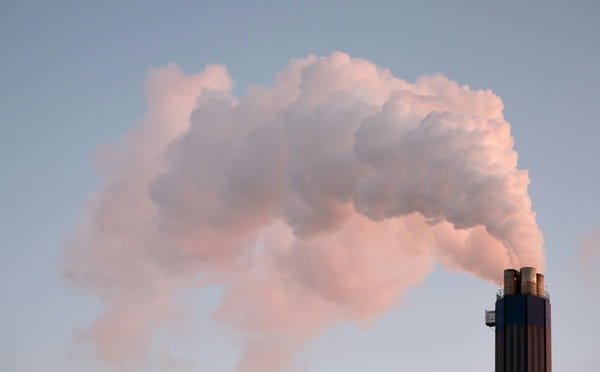
Corporate environmental harm leaves a trail of devastation that can last for generations. Industrial pollution, toxic waste dumping, and chemical runoff contaminate the air, soil, and water that communities need to survive.
According to AP News, a recent study estimates that the world’s largest corporations are responsible for approximately $28 trillion in climate-related damage. To put that in perspective, $28 trillion is nearly equal to the total value of all goods and services produced in the United States last year. Over half of this damage is attributed to just ten fossil fuel providers, including Saudi Aramco and ExxonMobil.
The public health consequences are severe, leading to increased rates of cancer and chronic respiratory diseases. This damage also destroys livelihoods for those in agriculture and fishing while stripping property values.
Unfortunately, the burden falls disproportionately on vulnerable and Indigenous communities. Holding these companies financially accountable is now a global priority to address the massive scale of this industrial neglect.
Legal Grounds for Corporate Liability
Corporations are legally bound by a range of established theories designed to enforce accountability for environmental damage. The most direct path to liability involves violating statutes like the Clean Water Act or the Clean Air Act.
Companies can also face lawsuits for negligence if they skip reasonable safety measures or for public nuisance if they damage shared community resources. Strict liability also applies to inherently hazardous activities, meaning a company can be held responsible for damage regardless of proven intent or care.
Transparency is becoming a mandatory part of this legal landscape. For example, California set August 10, 2026, as the first SB 253 deadline, requiring large companies to disclose greenhouse gas emissions. More than 4,000 U.S. companies doing business in California are expected to fall under these new requirements.
These mandates, plus “failure to warn” claims, create a powerful framework for holding corporations financially and legally responsible for their environmental impact.
Legal Avenues Communities Can Pursue
Communities have several powerful ways to seek justice, from class action lawsuits to mass tort claims. These allow groups to take on well-funded corporations together, whether the goal is seeking compensation or an injunction to stop ongoing pollution. A unique and vital tool is medical monitoring, which recovers costs for health surveillance even before a diagnosis occurs.
Navigating these complex legal waters requires specialized expertise. For those who want to lead these battles, gaining a legal education is more accessible than ever through a JD online program.
According to Cleveland State University, you can earn a world-class degree part-time in as little as three years and one semester. This online format allows students to complete 90 credits across 10 semesters while maintaining their personal and professional lives.
Training experts through these programs ensures communities have the advocacy needed to hold corporations accountable for long-term health and environmental damage.
Building a Strong Environmental Case
Environmental litigation is exceptionally evidence-intensive, requiring a solid foundation of scientific and medical proof to challenge major corporations. Independent environmental testing of soil, water, and air is crucial for establishing the presence and source of contaminants.
Government findings from agencies like the EPA also carry significant weight. Central to these cases are medical records that link specific diagnoses to documented exposures.
Internal corporate documents, like memos or safety assessments, are often the most damaging, especially if they prove a company knowingly ignored risks. Expert witnesses then bridge the gap between this raw data and legal arguments.
A landmark example of this is the first-ever wrongful death lawsuit against “big oil,” reported by The Guardian. The lawsuit claims climate negligence caused the death of Juliana Leon during the 2021 Pacific Northwest heat dome. Evidence-based advocacy, supported by experts who can prove such events are linked to corporate-driven global warming, is essential for holding these entities accountable.
Potential Outcomes of Environmental Lawsuits
Successful environmental litigation often creates an impact well beyond financial compensation. While settlements may address medical expenses and lost property value, court orders can require full cleanup of contaminated soil and water.
A major example involves DuPont-related firms, which reached a $2 billion settlement with New Jersey over “forever chemical” contamination. The agreement includes $875 million in direct payments. It also sets aside $1.2 billion in a dedicated cleanup fund. Together, this makes it one of the largest environmental settlements ever secured by a single state.
Cases like this drive broader change. Companies are often compelled to strengthen compliance programs, improve safety standards, and invest in cleaner technologies to avoid future liability. High-profile lawsuits also raise public awareness and encourage regulators to adopt stricter environmental protections.
Frequently Asked Questions (FAQs)
How do I know if I have grounds to sue a corporation for environmental harm?
You may have grounds to sue if you can show the corporation’s actions caused contamination that led to health issues, property damage, or financial loss. Environmental testing, medical records, and regulatory violations strengthen a claim. An experienced environmental attorney can review evidence and determine whether liability can be established.
How long does an environmental lawsuit typically take?
Environmental cases are among the most complex in civil litigation. Straightforward claims may resolve in one to three years. Major class actions or mass tort cases involving large corporations and extensive scientific evidence can take five to ten years or longer. Early legal advice helps set realistic expectations and preserves critical evidence from the outset.
Can I join an existing lawsuit if others in my community are already suing the same company?
Yes, in many cases you can. Class actions and mass tort proceedings allow individuals harmed by the same source to join an existing legal action. An environmental lawyer can advise whether an existing case covers your circumstances or whether a separate claim would better serve your specific injuries and damages.
Holding corporations accountable for environmental damage is no longer just an ethical plea; it is a legal necessity. As massive settlements like the DuPont case show, the financial and regulatory tide is turning against industrial negligence. From innovative “J.D. online” programs training the next generation of advocates to landmark wrongful death lawsuits, the tools for justice are expanding.
True change requires a combination of strict reporting mandates, robust evidence, and community-led litigation. By forcing companies to internalize the true cost of their footprint, we protect public health and ensure that the planet’s vital resources are preserved.