Compensation after a refinery explosion covers the financial and personal losses caused by the incident. Victims may recover costs related to injuries, property damage, and long-term health effects.
Deer Park, Texas, is part of the Houston Ship Channel, one of the largest petrochemical hubs in the United States. The area has multiple refineries and chemical plants, which increases the risk of industrial accidents. Cases involving refinery explosions in Deer Park, TX, often involve complex liability issues due to multiple companies operating in close proximity.
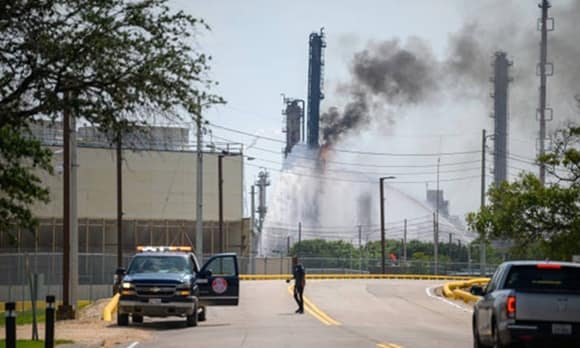
These claims are usually handled under Texas personal injury and negligence laws. Under Texas law, damages may include both economic and non-economic losses, as defined in Tex. Civ. Prac. & Rem. Code § 41.001.
Types of Compensation Available
Victims of refinery explosions may be entitled to several types of damages. These depend on the nature of the injuries and the impact on daily life.
Economic Damages
Economic damages cover direct financial losses caused by the explosion. These are supported by bills, receipts, and employment records.
Common examples include:
- Medical expenses and hospital bills
- Lost wages during recovery
- Future medical treatment costs
- Property repair or replacement
Non-Economic Damages
Non-economic damages address the personal impact of the injury. These include pain, emotional distress, and reduced quality of life.
Courts review how the injury affects daily activities, relationships, and long-term well-being. The value is based on the severity and duration of the impact rather than fixed costs.
Can You Claim Punitive Damages?
In some cases, victims may also seek punitive damages. These are awarded to punish unsafe conduct rather than to compensate for loss.
Under Texas Civil Practice and Remedies Code § 41.003, punitive damages may apply if there is clear and convincing evidence of gross negligence or intentional harm. This may include ignoring safety protocols or failing to fix known hazards.
These damages are limited under Texas Civil Practice and Remedies Code § 41.008, which places caps based on economic and non-economic losses.
Who May Be Held Liable?
Liability in refinery explosion cases often involves more than one party. Courts examine who controlled the site, maintained equipment, or failed to follow safety standards.
Responsible parties may include refinery operators, contractors, equipment manufacturers, or third-party service providers. Each party is evaluated based on their role in causing or failing to prevent the incident.
Insurance Claims vs Legal Claims
Victims may pursue compensation through insurance claims, legal action, or both, depending on the situation. Each option has different outcomes and limits.
Insurance claims are usually faster but may only cover part of the loss. Legal claims may allow recovery for a broader range of damages, including pain and suffering, but may take more time and involve court proceedings.
Steps to Take After a Refinery Explosion
Taking the right steps after an explosion can affect the ability to recover compensation. Acting early helps preserve evidence and supports a stronger claim.
- Seek immediate medical attention.
- Report the incident to authorities and employers.
- Document injuries and property damage with photos.
- Collect contact details of witnesses if available.
- Consult a lawyer familiar with industrial accident cases.
These steps help protect legal rights and build a clear record of the incident.
What Factors Affect Compensation?
Compensation depends on several factors tied to the injury and the circumstances of the explosion. Courts and insurers review medical records, financial losses, and the extent of negligence involved.
More serious injuries, longer recovery periods, and clear evidence of safety violations often lead to higher compensation. Available insurance coverage and shared fault may also affect the final amount under Texas proportionate responsibility rules in Tex. Civ. Prac. & Rem. Code § 33.001.
Key Takeaways
- Compensation includes financial losses and personal harm after an explosion.
- Economic damages cover medical bills, lost income, and repairs.
- Non-economic damages address pain, distress, and life impact.
- Punitive damages may apply in cases of gross negligence.
- Multiple parties can share liability based on their role.
- Early documentation and action can strengthen a claim.