Hernia mesh lawsuits remain one of the largest groups of medical-device product liability cases in the United States. Thousands of patients have accused manufacturers of selling surgical mesh products that caused chronic pain, infections, adhesions, bowel problems, recurrent hernias and the need for additional surgery.
The litigation involves several manufacturers, particularly C.R. Bard, Covidien/Medtronic, Ethicon/Johnson & Johnson and Atrium Medical. The cases are not one traditional class action. Most are individual product-liability lawsuits grouped into multidistrict litigations, or MDLs, for coordinated federal pretrial proceedings.
A major development came in August 2026, when a jury awarded $88 million in the first Covidien hernia mesh bellwether trial.
Why Are Hernia Mesh Lawsuits Being Filed?
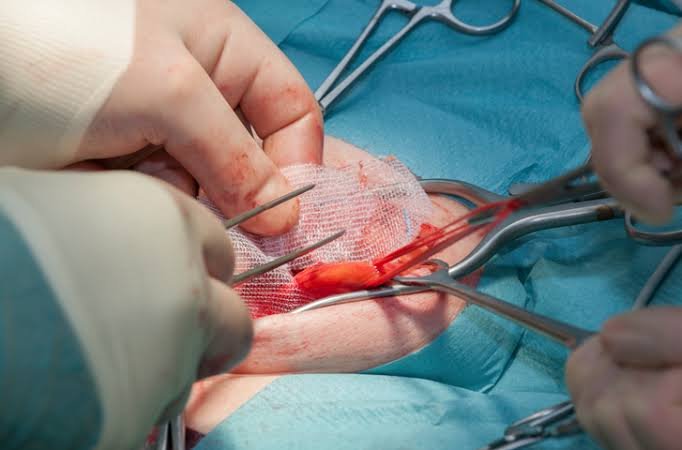
Surgical mesh is commonly implanted to strengthen weakened tissue during hernia repair. Many patients undergo mesh procedures without serious complications.
Plaintiffs in the lawsuits, however, allege that particular products were defectively designed or inadequately labeled and could cause complications such as:
- Chronic abdominal or groin pain
- Infection
- Mesh migration
- Adhesions to organs
- Bowel obstruction
- Hernia recurrence
- Mesh contraction or degradation
- Organ perforation
- Additional or revision surgery
Manufacturers have generally denied that their products were defective and dispute many allegations concerning causation.
Bard Hernia Mesh Lawsuits and Settlement
The largest federal hernia mesh proceeding is MDL 2846, involving polypropylene products manufactured by Davol and C.R. Bard, now part of Becton, Dickinson and Company.
The litigation is pending in the U.S. District Court for the Southern District of Ohio. By August 2026, approximately 23,321 cases remained listed as pending in the Bard MDL, although the number does not mean that every one of those cases is headed to trial. Many are moving through the settlement process.
In October 2024, BD announced an agreement designed to resolve the vast majority of its existing U.S. hernia litigation, including cases in the Ohio MDL and Rhode Island state-court proceedings.
The company did not disclose the total settlement amount and did not admit liability or wrongdoing. Payments are being made over multiple years.
BD reported that it was still defending approximately 6,905 hernia-product claims as of December 31, 2025, illustrating that the settlement process has not meant an immediate closure of every filed case.
Covidien Lawsuits Produce $88 Million Verdict
The most important new development involves Covidien, which is owned by Medtronic.
Covidien lawsuits have been consolidated as MDL 3029 in federal court in Massachusetts. About 2,400 federal cases were consolidated there by the time the first major trial began, while thousands of additional cases were pending in Massachusetts state court.
The first bellwether trial involved Alabama resident Larry Patterson, who received a Covidien Symbotex mesh implant in 2017. Patterson later developed a bowel obstruction and underwent another operation.
On August 4, 2026, a federal jury ordered Medtronic to pay Patterson and his wife $88 million. The jury found that Covidien failed to adequately warn about risks associated with the mesh. It did not award punitive damages and rejected the fraud claim.
Medtronic maintains that the product worked as intended and has said it plans to challenge the verdict through post-trial proceedings and appeals. The $88 million award therefore should not be interpreted as a guaranteed settlement value for other plaintiffs.
Ethicon Physiomesh Litigation
Johnson & Johnson subsidiary Ethicon faced thousands of lawsuits involving its Physiomesh Flexible Composite Mesh.
Ethicon withdrew the product from the global market in 2016 after data from European hernia registries showed higher recurrence and reoperation rates compared with other meshes.
In 2021, Ethicon entered a settlement agreement covering thousands of Physiomesh cases. Johnson & Johnson subsequently reported that almost all U.S. Physiomesh matters had either been resolved or were undergoing formal settlement review.
By August 2026, the federal Physiomesh MDL showed no pending cases, indicating that this portion of the broader hernia mesh litigation has largely wound down.
Atrium C-QUR Mesh Lawsuits
Atrium Medical has faced lawsuits involving its C-QUR mesh products. Plaintiffs alleged that the devices caused complications including infections, adhesions and other injuries.
These cases were consolidated in MDL 2753 in New Hampshire. Settlement activity has resolved a large portion of the litigation, although approximately 139 cases remained listed as pending in August 2026.
How Much Is a Hernia Mesh Lawsuit Worth?
There is no fixed hernia mesh settlement amount.
Compensation can depend on the manufacturer, type of mesh, severity of injury, number of revision surgeries, medical expenses, lost income and the evidence connecting the mesh to the injury.
The $88 million Covidien verdict is especially significant, but it should not be treated as the likely payout for an ordinary case. Bellwether trials are primarily used to show both sides how juries may respond to evidence and can influence later settlement negotiations.
Where Hernia Mesh Lawsuits Stand in 2026
As of August 2026, hernia mesh litigation is moving in two different directions. The Bard and Ethicon proceedings have progressed substantially through settlements, while the Covidien cases have entered a crucial trial phase following the $88 million Patterson verdict.
For patients with existing claims, the manufacturer and exact mesh product are increasingly important because each litigation is following its own timetable. The wider hernia mesh dispute is therefore not over, but several of its largest chapters are now moving from years of mass litigation toward settlements and individual case resolution.