The Ford F-150 lift kit lawsuit raises an unusually difficult question in vehicle liability: can a truck modification make a collision more dangerous for someone in another vehicle? In September 2026, Lolita Holloway filed a wrongful-death action in Georgia after her husband, Charles Holloway Jr., died in a head-on crash involving a Ford F-150 fitted with a six-inch suspension lift. The claim goes beyond the conduct of the truck’s driver. It alleges that the lift, its installation and inadequate safety warnings contributed to a death that otherwise might have been avoided. These are contested allegations, not judicial findings.
The January 2026 Crash Behind the Lawsuit
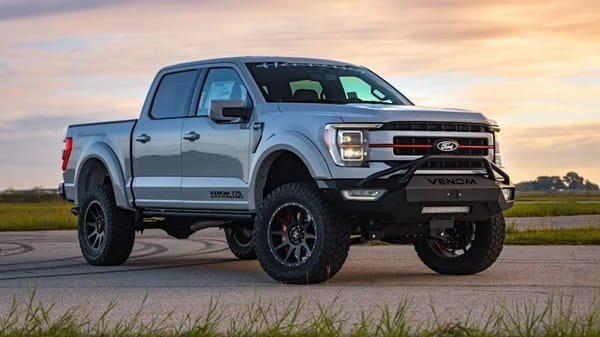
On January 8, 2026, Charles Holloway Jr., 63, was driving a Toyota Tundra on Browns Bridge Road in Hall County, Georgia. According to accounts citing investigators, a Ford F-150 driven by Scott Douglas Kneiss crossed the center line and collided head-on with the Tundra. Holloway died at the scene.
Authorities reportedly charged Kneiss with second-degree vehicular homicide and traffic offenses. Those criminal allegations are separate from the civil lawsuit and should not be confused with a conviction. Holloway’s widow brought her civil action in the State Court of Gwinnett County in September 2026, seeking accountability for the crash and its fatal consequences.
Why the Six-Inch Suspension Lift Matters
A factory-designed vehicle relies on the position of its frame rails, crush structures and other components to manage impact forces. The Holloway complaint alleges that raising the F-150 by six inches changed how those structures met the front of the Tundra.
Instead of the vehicles’ engineered crash-management areas engaging as intended, the lawsuit says the elevated Ford structure passed over protective components and intruded into the Toyota’s occupant compartment. It also alleges that changes to the suspension interfered with the F-150’s collision-avoidance and warning technology. Whether those modifications caused or materially worsened Holloway’s injuries will require technical evidence, not simply photographs of the wreck.
Who Is Named in the Ford F-150 Lift Kit Lawsuit?
Published accounts of the complaint identify Kneiss; Courtesy Ford, the dealership; GRJ Offroad, the installer; Sport Truck; Fox Factory; and RealTruck among the defendants. The allegations concern the sale, manufacture, distribution, installation and promotion of the aftermarket lift equipment.
A critical distinction is that the reported defendant list does not name Ford Motor Company itself. The presence of a Ford-branded vehicle does not make this a lawsuit against its original manufacturer. Each named business may also face different questions depending on its actual role in the product’s design or installation.
The Main Legal Claims and Evidence
The lawsuit alleges that companies in the lift kit’s commercial chain knew, or should have known, about crash-compatibility risks and failed to provide adequate warnings. It further contends that the equipment was unreasonably dangerous when supplied and installed for road use.
Georgia product-liability and negligence law distinguish an unsafe design from negligent installation and inadequate warnings. The plaintiff must establish a legally sufficient connection between a defendant’s conduct or product and the fatal injury. Expert analysis may compare the actual collision with a similar crash involving an unmodified F-150, assess installation records, and examine any calibration or performance changes in the truck’s safety systems.
Did Georgia Law Ban a Lift Higher Than Two Inches?
Some early reports repeat an old Georgia rule restricting suspension changes of more than two inches. That is not an accurate statement of the general rule in force when this crash occurred. Georgia revised its suspension-height legislation effective July 1, 2024. The current O.C.G.A. § 40-8-6 sets certain frame-height restrictions but expressly exempts vehicles equipped with electronic stability control complying with federal Standard No. 126.
The applicability of any older requirement could depend on when the lift was installed, while any current-law argument depends on facts about the vehicle and modification. Even if a suspension change did not violate a height statute, that would not automatically resolve claims involving negligent design, installation or failure to warn.
Compensation and the Lawsuit’s Current Status
Under Georgia’s wrongful-death statute, a surviving spouse may seek the full value of the deceased person’s life, as proved by the evidence. Additional estate-related claims may involve other categories of loss where legally available. The recoverable amount would depend on the claims established and the evidence presented; no payment is guaranteed.
As of October 10, 2026, reporting establishes that the action was filed, but no final liability ruling, settlement or court-approved payout has been verified. This is not a nationwide class action, and there is no general compensation form for F-150 owners. The next stages may involve responses from defendants, discovery, engineering testimony and potentially settlement discussions or trial.
Conclusion
The Ford F-150 lift kit lawsuit could clarify how responsibility is allocated when aftermarket modifications allegedly intensify an otherwise ordinary road collision. Its central issue is not whether every lifted truck is unsafe, but whether this particular six-inch modification played a legally provable role in Charles Holloway Jr.’s death. That answer remains for the evidence and the court.