A picture of a smiling jack-o’-lantern on a Reese’s wrapper turned an ordinary Halloween purchase into a federal consumer lawsuit. Florida shoppers accused The Hershey Company of misleading buyers by showing carved eyes and mouths on its Peanut Butter Pumpkins even though the chocolates inside had no facial details. The case, Vidal v. The Hershey Company, ended in a September 2026 dismissal after a judge found the plaintiffs had not shown a concrete financial loss. A new warning on the 2026 packaging has nevertheless renewed attention to the dispute.
Why Consumers Sued Hershey Over Reese’s Pumpkins
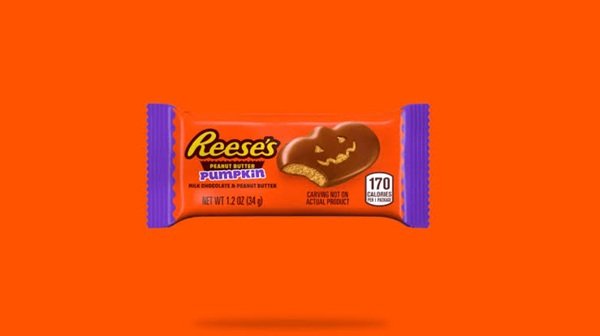
The proposed class action arose from purchases at Publix in Florida during the 2023 Halloween season. Nathan Vidal alleged that he bought several bags of Reese’s Peanut Butter Pumpkins for about $8 each. Eduardo Granados said he purchased a bag for $2.65. Both claimed the packaging led them to expect individually molded jack-o’-lantern faces, not plain pumpkin-shaped chocolates.
Their argument was not that the candy tasted bad, was unsafe or lacked peanut butter. Instead, they said the missing decorative details reduced the novelty value they expected. They maintained that they would have paid less, or avoided the purchases, had they known what the chocolates actually looked like.
The Florida Consumer Protection Claim
The plaintiffs relied on the Florida Deceptive and Unfair Trade Practices Act, commonly called FDUTPA. The law can address deceptive or unfair conduct in consumer transactions, but asserting that advertising is misleading does not automatically establish a right to compensation.
For a damages claim, a plaintiff must connect the challenged representation to a legally recognizable injury. In federal court, Article III of the Constitution imposes a separate standing requirement: a plaintiff must show a concrete injury that a judicial decision can remedy. This distinction became decisive in the Reese’s dispute.
How Hershey Defended Its Packaging
Hershey argued that buyers received the advertised chocolate-and-peanut-butter candy in a seasonal pumpkin shape. The earlier wrapper also described the image as a ‘Decorating Suggestion,’ which the company said signaled that the pictured facial features were illustrative rather than guaranteed product details.
The company disputed the idea that reasonable shoppers would treat decorative artwork as a promise of carved surfaces. Its defense also challenged the claimed price premium, maintaining that the complaint failed to identify an actual loss attributable to the packaging.
Why the Judge Dismissed the Lawsuit
U.S. District Judge Melissa Damian dismissed an earlier version of the complaint on September 19, 2025. After the plaintiffs amended their allegations in December 2025, Hershey again sought dismissal. On September 16, 2026, the judge granted that motion and closed the federal case.
The ruling focused on standing, not a final determination that the packaging complied with every consumer-protection requirement. The judge concluded that the buyers had not adequately alleged either a loss in the value of what they received or a measurable overcharge attributable to the missing carvings. The chocolates were still pumpkin-shaped products, and the plaintiffs did not claim they were defective or worthless.
Their comparisons between seasonal Reese’s products and ordinary peanut butter cups did not establish the market value of the same pumpkin candy without the disputed artwork. The court also found that prices at other retailers did not reliably show overpayment on purchases made at Publix.
Because the plaintiffs failed to establish federal standing, the judge did not reach Hershey’s separate arguments about whether the complaint adequately stated an FDUTPA violation. The dismissal was without prejudice, a procedural distinction that does not amount to a verdict on the underlying advertising claim.
Hershey Adds a New Warning to Reese’s Packaging
In October 2026, consumers noticed a clearer statement beside the illustrated pumpkin on newly marketed Reese’s packages: ‘Carving not on actual product.’ It replaced the less direct ‘Decorating Suggestion’ wording discussed in court.
The revised language explicitly tells shoppers that the pictured face is not molded into the candy. Although the timing follows Hershey’s court victory, the company has not publicly confirmed that the lawsuit prompted the adjustment. A packaging change by itself is not an admission that an earlier label violated the law.
Is There a Reese’s Lawsuit Settlement or Payout?
No settlement fund, approved class-wide payment or claims deadline has been established in the Vidal case. The proposed class was not certified before dismissal, so consumers should not mistake online references to the lawsuit for an open compensation program.
After the September ruling, counsel for the plaintiffs said they planned to appeal. As of October 10, 2026, the reported intention to appeal should not be confused with a verified appellate reversal or an award of damages. The district court’s dismissal remains the operative reported outcome.
What the Case Means for Food Packaging Lawsuits
The dispute highlights a practical limit on deceptive-packaging litigation. A shopper may genuinely feel misled by a promotional image, but a federal damages case still needs facts showing a legally cognizable injury. Plaintiffs who allege a price premium generally need evidence connecting the challenged feature to the product’s economic value.
For manufacturers, the case also shows why precise disclaimers matter. Clear packaging can reduce uncertainty even after a successful courtroom defense. The lesson is not that food companies may depict anything they choose; rather, advertising claims and recoverable consumer losses are separate legal questions.
Conclusion
The Hershey Reese’s pumpkin packaging lawsuit ended at the district-court level because the plaintiffs could not substantiate financial harm from the missing jack-o’-lantern faces. Hershey’s updated wrapper now addresses that visual difference directly. Whether an appeal changes the legal outcome remains to be seen, but the case already offers a useful example of the evidence courts require in consumer advertising disputes.